Luliconazole Cream – Antifungal Skin Treatment in the UK
Description
Luliconazole Cream Product Description
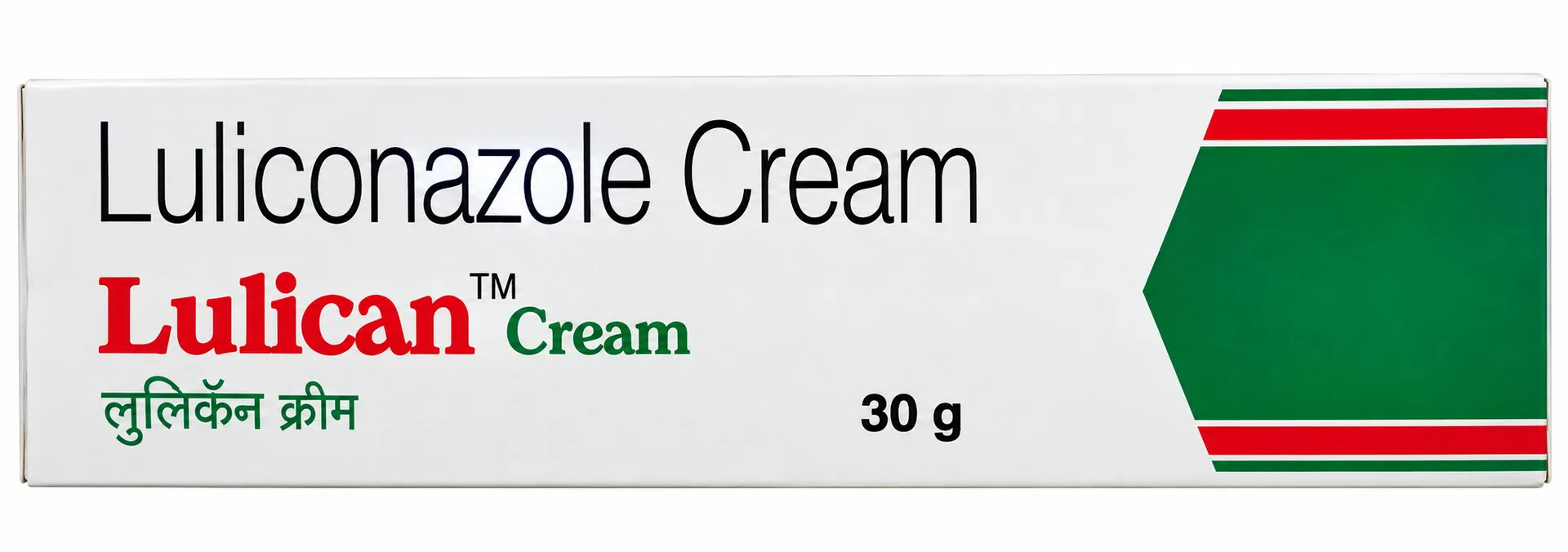
Luliconazole cream is a topical antifungal medicine containing luliconazole, an imidazole-type antifungal active ingredient. It is formulated for application directly to affected areas of the skin where fungal infection has been diagnosed.
Fungal skin infections can cause symptoms such as itching, redness, scaling, irritation and discomfort. Common examples include ringworm (tinea corporis), athlete’s foot (tinea pedis) and fungal infections affecting the groin area (tinea cruris). The appropriate antifungal depends on the type and location of infection, so a pharmacist or healthcare professional should confirm the diagnosis before treatment.
Luliconazole works locally against susceptible fungi by interfering with the production of ergosterol, an important component of fungal cell membranes. This helps inhibit fungal growth and supports clearance of the infection.
For UK patients considering treatment, it is important to use a product that is legally supplied and appropriately authorised for the intended use. UK medicine information should be checked against current professional and patient information before use. The NHS and UK medicines resources provide guidance on medicines and treatment options.
Luliconazole Cream Strengths
Luliconazole cream may be supplied in different pack sizes depending on the manufacturer and market. A commonly manufactured formulation is:
Luliconazole 1% w/w cream
Topical application to the skin
Antifungal active ingredient
Cream formulation designed for local skin application
The exact strength, formulation, pack size, manufacturer and regulatory status should always be confirmed from the product packaging and accompanying patient information.
How Is Luliconazole Cream Used?
Apply the cream only as directed by a doctor, pharmacist or the product's approved patient information. The affected skin should generally be clean and dry before application. Apply a thin layer to the affected area and follow the recommended treatment duration.
Do not apply more frequently than instructed. Avoid contact with the eyes, mouth and other mucous membranes unless specifically directed. Wash hands after application unless the hands themselves are being treated.
Completing the recommended course is important. Stopping treatment too early may allow the infection to persist or return.
Precautions and Possible Side Effects
Some people may experience local reactions such as burning, redness, itching, irritation or discomfort at the application site. If severe irritation, swelling, blistering or signs of an allergic reaction occur, stop using the product and seek medical advice.
Do not use luliconazole if you have previously experienced an allergic reaction to luliconazole or any ingredient in the formulation.
Seek professional advice if the diagnosis is uncertain, symptoms become worse, the infection spreads, or there is no improvement after the recommended treatment period.
Frequently Asked Questions
1. What is luliconazole cream used for?
Luliconazole cream is a topical antifungal treatment used for susceptible fungal infections of the skin, including certain forms of ringworm and related dermatophyte infections.
2. What strength is luliconazole cream?
A commonly manufactured strength is 1% w/w luliconazole. Always check the strength printed on the actual product supplied.
3. Can I buy luliconazole cream online in the UK?
Availability depends on the product's UK regulatory status and the pharmacy or supplier. Patients should purchase medicines only from legitimate, appropriately regulated UK pharmacy or healthcare channels and should follow professional advice where required.
4. Can luliconazole cream be used for every itchy rash?
No. Itching and redness can have many causes, including eczema, dermatitis, bacterial infections and allergic reactions. An antifungal should not be used unless a fungal infection is suspected or diagnosed.
5. Can I use luliconazole cream on my face?
Only use it on facial skin if a healthcare professional or the approved product information specifically recommends it for your condition.
6. What should I do if my symptoms do not improve?
Speak with a pharmacist or doctor. Persistent symptoms may indicate an incorrect diagnosis, inadequate treatment or another underlying skin condition.