Tretin Cream (Tretinoin Cream) UK: Uses, Strengths, Safety & FAQs
Description
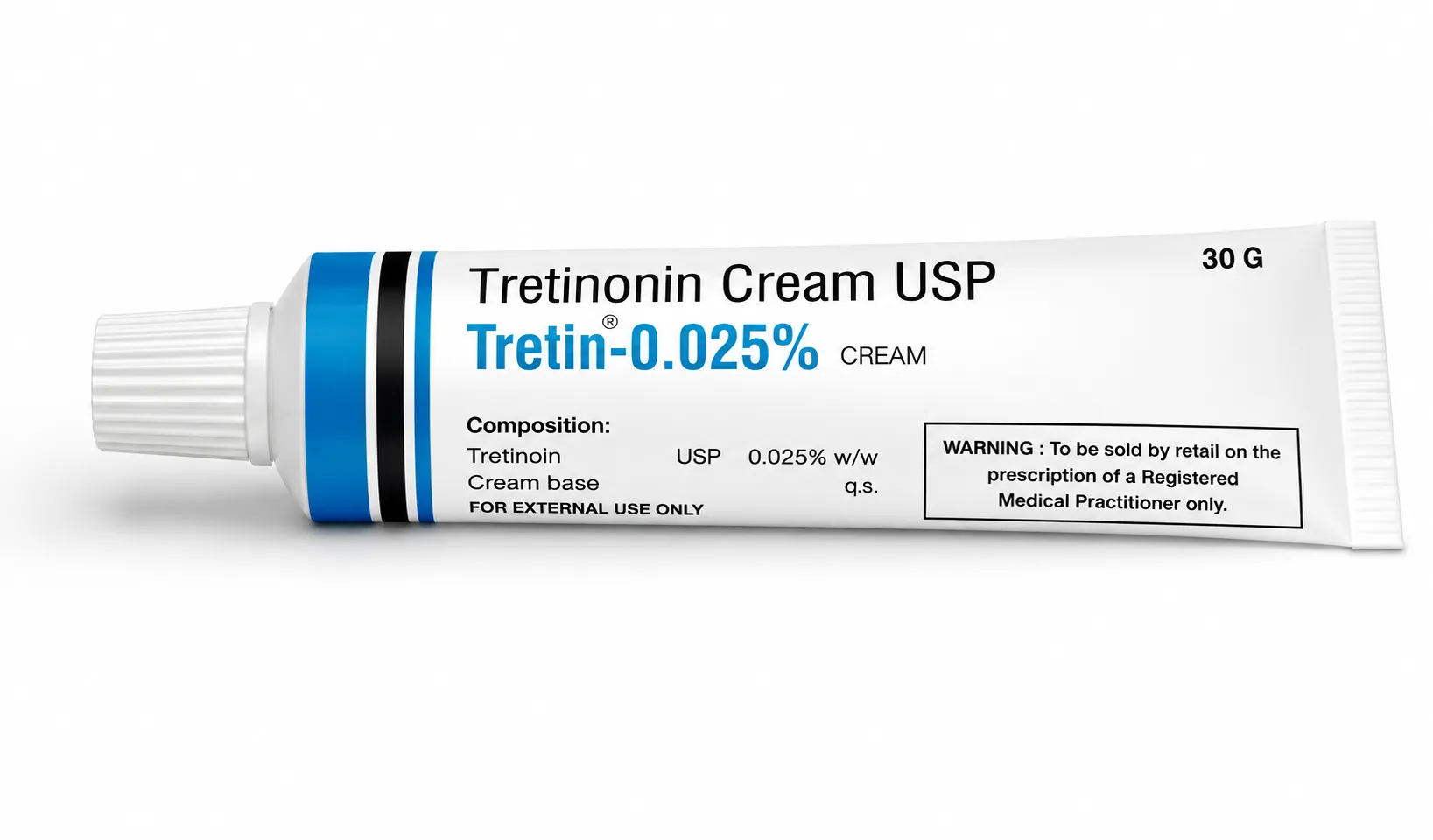
Tretin Cream contains tretinoin, a topical retinoid used in the management of acne. It works by helping skin cells renew more normally and reducing the formation of blocked pores. In the UK, topical retinoids such as tretinoin may be prescribed for acne following an appropriate clinical assessment.
If you are searching for Tretin Cream in the UK, it is important to obtain prescription medicines through a legitimate pharmacy or healthcare service and use them according to the instructions provided by a qualified healthcare professional.
Tretin Cream Product Details
Active ingredient: Tretinoin
Dosage form: Topical cream
Therapeutic category: Topical retinoid
Common use: Acne management
Route: For external use on the skin
Tretinoin can help reduce blocked pores and prevent new acne lesions from developing. NHS guidance states that topical retinoids are commonly used as acne treatments and are generally applied once daily, usually in the evening, when prescribed.
Available Tretin Cream Strengths
Tretinoin creams may be available in different concentrations depending on the manufacturer, market and prescription. Common strengths encountered in clinical practice include 0.025%, 0.05% and 0.1%.
The appropriate strength depends on factors such as acne severity, skin sensitivity, previous retinoid use and the individual's response to treatment. A higher strength is not automatically better and may increase skin irritation.
Always follow the strength and application instructions supplied with your prescription.
How Tretin Cream Is Used
Tretin Cream is normally applied as a thin layer to the acne-affected area, usually in the evening. Cleanse the skin gently and allow it to dry before application. Avoid applying excessive amounts because this does not necessarily improve results and can increase irritation.
During treatment, skin may become more sensitive to sunlight and ultraviolet exposure. Using appropriate sun protection and avoiding excessive sun exposure can help protect the skin.
Possible Side Effects and Precautions
Common reactions can include dryness, redness, peeling, irritation, burning or stinging, particularly when treatment begins. If severe or persistent irritation occurs, speak with a healthcare professional.
Tretinoin should not be used during pregnancy because topical retinoids are contraindicated due to potential risks to the developing baby. Anyone who is pregnant, planning pregnancy or unsure about pregnancy should discuss treatment with a healthcare professional before use.
Avoid contact with the eyes, lips and other sensitive areas unless specifically instructed otherwise.
Tretin Cream FAQs
Is Tretin Cream available in the UK?
Tretinoin is a prescription topical retinoid used for acne. UK patients should obtain it through an appropriate healthcare professional and a legitimate pharmacy where clinically suitable.
What is Tretin Cream used for?
It is primarily used as a topical treatment for acne, helping reduce blocked pores and prevent new spots.
Which Tretin Cream strength is best?
There is no single best strength for everyone. The appropriate concentration depends on your skin, acne severity and tolerance. A prescriber can select the most suitable option.
How long does tretinoin take to work?
Acne treatments can take several weeks before noticeable improvement, and NHS guidance notes that treatment may take several months to produce its full benefit.
Can I buy Tretin Cream online in the UK?
Prescription medicines should only be obtained from a legitimate UK pharmacy or healthcare provider following the appropriate clinical assessment. Avoid websites offering prescription medicines without proper safeguards.
Is Tretin Cream suitable during pregnancy?
No. Topical retinoids such as tretinoin should not be used during pregnancy. Speak with a healthcare professional if pregnancy is possible or planned.