Amphonat Injection 50 mg – Uses, Benefits, Side Effects and Product Information
Description
Product Overview
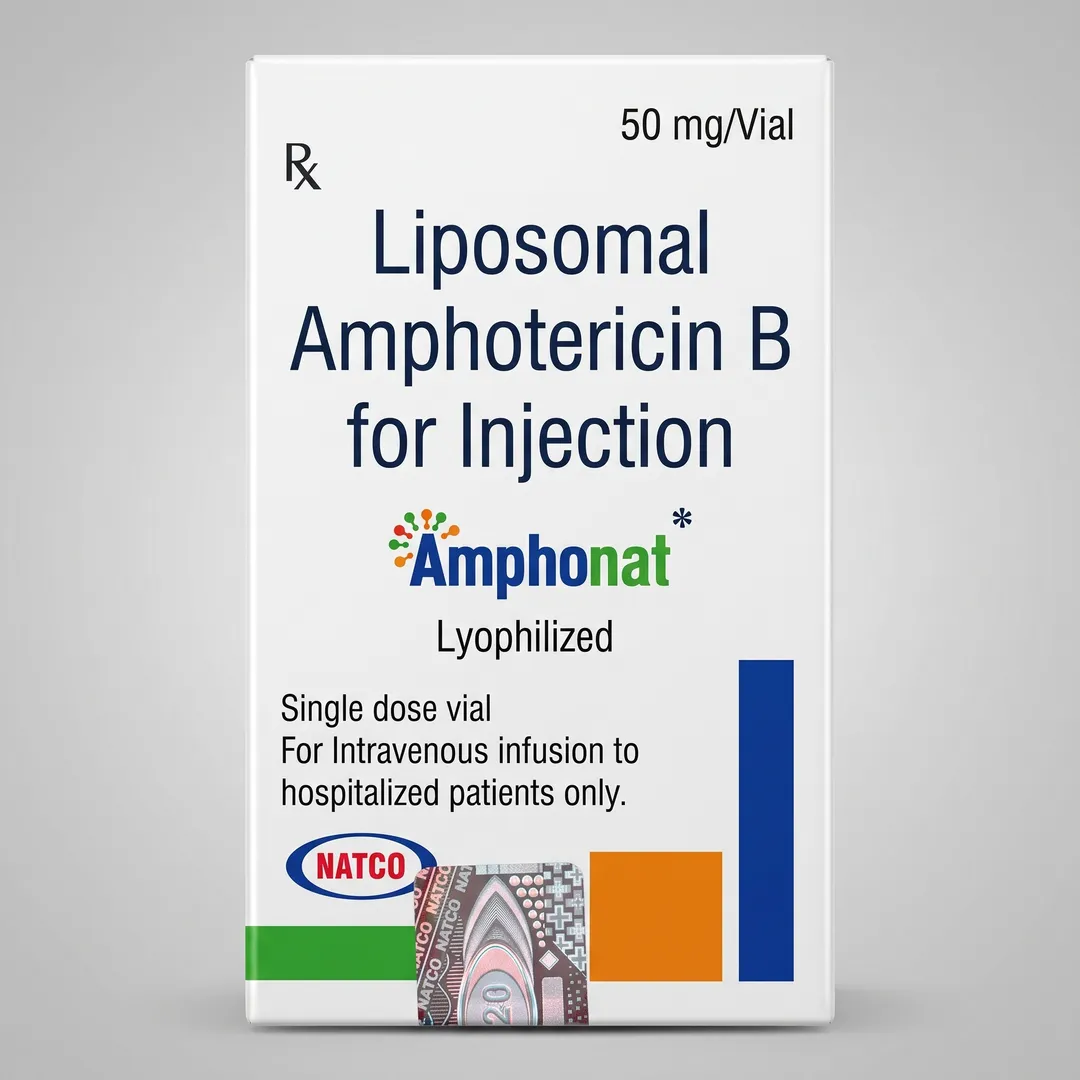
Amphonat Injection 50 mg is an injectable antifungal medicine used under medical supervision to manage certain serious fungal infections. It contains amphotericin B, an antifungal agent that acts against susceptible fungi. The medicine is generally administered by trained healthcare professionals in a hospital or specialised clinical setting.
People searching online for Amphonat Injection information should understand its composition, potential benefits, precautions and possible side effects before discussing treatment with a qualified healthcare professional.
Amphonat Injection Composition and Strength
Active ingredient: Amphotericin B
Strength: 50 mg per vial, subject to confirmation against the specific product label
Dosage form: Injection or powder for infusion, according to the approved presentation
Administration: Intravenous administration by a qualified healthcare professional
Important: Confirm whether the supplied product is a liposomal formulation or another amphotericin B formulation. These formulations are not automatically interchangeable and may have different dosing and safety requirements.
What Is Amphonat Injection Used For?
Amphonat Injection may be prescribed for selected serious fungal infections when amphotericin B is considered appropriate. Depending on the formulation, local authorisation and clinical circumstances, amphotericin B may also be used for certain parasitic infections.
The medicine works by interacting with ergosterol in susceptible fungal cell membranes, disrupting their integrity and helping eliminate the infection.
Treatment decisions depend on the type and severity of infection, the patient's medical history, laboratory results and the healthcare professional's assessment.
Potential Benefits of Amphonat Injection
The potential benefits of Amphonat Injection include:
Antifungal action: Helps target susceptible fungi responsible for serious infections.
Treatment of systemic infections: May be used when fungal infections affect internal organs or the bloodstream.
Clinically supervised treatment: Intravenous administration allows healthcare teams to monitor the patient's response and manage potential complications.
Individualised care: The treatment plan can be adjusted according to the infection, formulation and patient's clinical condition.
Results vary between patients. This medicine is not intended for self-treatment or routine use for minor fungal infections.
Amphonat Injection Side Effects
Like other medicines containing amphotericin B, Amphonat Injection may cause adverse effects. Possible side effects include:
Fever, chills or shaking during infusion
Nausea or vomiting
Headache
Muscle or joint discomfort
Changes in kidney function
Low potassium or magnesium levels
Changes in blood counts
Serious reactions can occur, including severe allergic reactions, significant kidney injury and abnormal heart rhythms associated with electrolyte disturbances.
Seek urgent medical attention for difficulty breathing, facial or throat swelling, fainting, severe weakness or an irregular heartbeat. Report other new or persistent symptoms to the treating healthcare team.
Safety Precautions and Monitoring
Tell your doctor about kidney or heart problems, pregnancy, breastfeeding, allergies and all medicines or supplements you use. Certain medicines may increase the risk of kidney injury or electrolyte abnormalities when combined with amphotericin B.
During treatment, your healthcare team may monitor kidney function, blood counts, potassium and magnesium levels, and other relevant laboratory parameters. Never change the dose, stop treatment or administer the injection yourself without medical guidance.
Frequently Asked Questions
1. What is Amphonat Injection used for?
It is an amphotericin B antifungal injection used for selected serious fungal infections under medical supervision.
2. What is the composition of Amphonat Injection?
The 50 mg presentation is listed as containing amphotericin B. Check the packaging for the precise formulation and approved product information.
3. What are the common side effects?
Fever, chills, nausea, vomiting and headache may occur. Kidney problems and electrolyte changes are important risks requiring medical monitoring.
4. Can Amphonat Injection be self-administered?
No. It should be administered by qualified healthcare professionals with appropriate monitoring.
5. Is Amphonat Injection suitable for everyone?
No. Suitability depends on the infection, medical history, other medicines and the specific formulation. A qualified healthcare professional must assess each patient.
Medical Disclaimer
This page provides general educational information and is not a substitute for professional medical advice, diagnosis or treatment. Product details and approved indications may vary by country. Always consult the locally approved product information and a qualified healthcare professional before use.