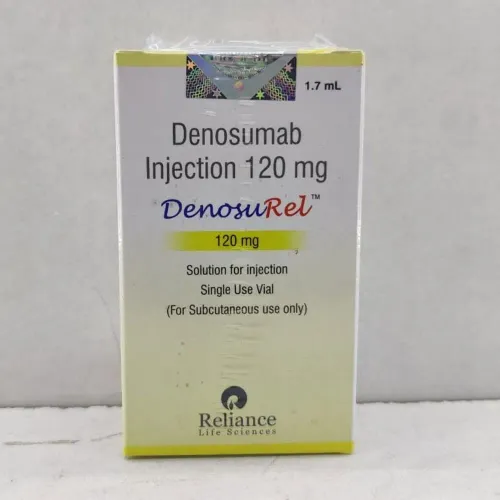
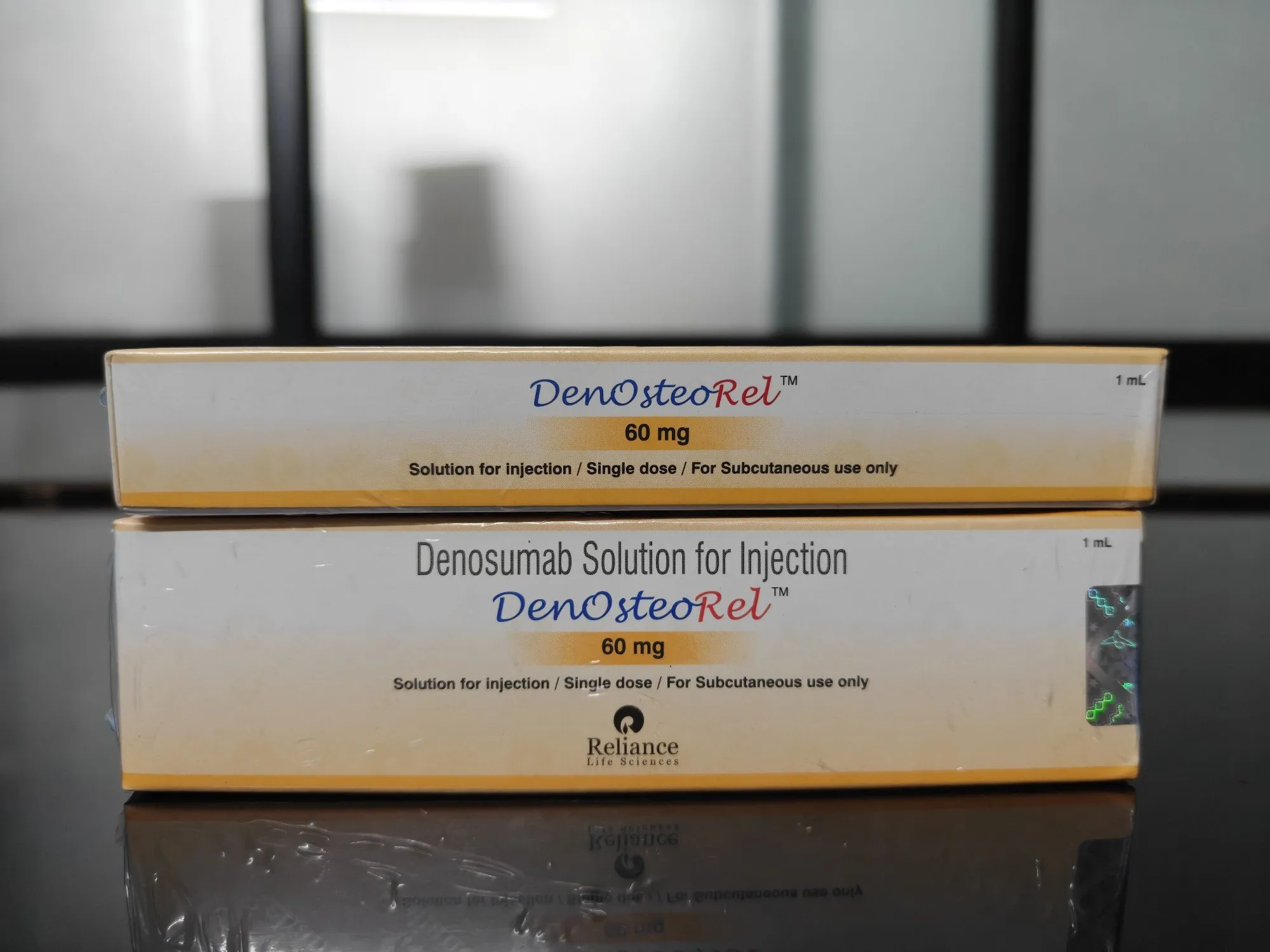
Denosumab 60 mg Injection: Uses, Dosage, Side Effects and Safety Guide
Description
If your doctor has suggested denosumab 60 mg injection, it’s normal to have questions. What is it for? How often do you need it? What should you watch out for? This guide answers those in plain language, so you can walk into your next appointment better prepared.
What is denosumab 60 mg injection?
Denosumab is a prescription medicine called a monoclonal antibody. The 60 mg strength is given as a small injection under the skin and is used to treat bone loss. It is not the same product as the 120 mg strength, which is prescribed for different problems, mostly bone complications linked to cancer. Never swap one for the other.
What is it used for?
Depending on where you live and the product’s approved label, denosumab 60 mg is typically prescribed for:
Postmenopausal women with osteoporosis who are at high risk of fractures
Men with osteoporosis who are at high risk of fractures
Osteoporosis caused by long-term glucocorticoid (steroid) treatment
Bone loss in men receiving hormone therapy for prostate cancer
Bone loss in women taking aromatase inhibitors for breast cancer
Only your doctor can decide whether it suits you, based on your bone density, fracture history and overall health.
How does it work?
Your bones are constantly being broken down and rebuilt. In osteoporosis, the breakdown side wins. Denosumab blocks a protein called RANKL, which tells bone-resorbing cells (osteoclasts) to get to work. With less breakdown, bone density tends to improve and the risk of fractures falls over time.
Dosage and how it’s given
The usual schedule is one 60 mg injection every six months. A healthcare professional injects it under the skin of the upper arm, upper thigh or abdomen. Your doctor will usually also advise calcium and vitamin D supplements, because the medicine works best when your levels are adequate. Follow their exact advice on amounts.
A practical tip: set a phone reminder for your next dose the day you get the injection. If you miss one, contact your clinic promptly rather than waiting. Your doctor will tell you how to reschedule.
Common side effects
Many people tolerate denosumab well. The more frequently reported effects include back pain, pain in the arms or legs, general muscle and bone aches, raised cholesterol and bladder infections. Most are mild, but mention anything that bothers you.
Serious risks: when to call your doctor
These are uncommon, but they matter. Get medical help quickly if you notice:
Low blood calcium: muscle cramps or spasms, tingling around the mouth or in the fingers. Risk is higher in people with severe kidney disease.
Jaw problems: pain, swelling, loose teeth or slow-healing gums. Rarely, the jawbone can be damaged (osteonecrosis of the jaw).
Unusual thigh or groin pain: this can signal a rare type of thigh bone fracture.
Signs of infection or skin reaction: fever, spreading redness, rash or swelling.
Allergic reaction: swelling of the face or lips, breathing difficulty, hives.
Who should be careful or avoid it?
Denosumab should not be used if you have low blood calcium that hasn’t been corrected, if you’re pregnant, or if you’ve had a serious allergic reaction to it. Tell your doctor if you have kidney problems, plan any dental surgery, are breastfeeding, or take other medicines. If possible, get a dental check-up before your first injection and keep brushing and flossing well afterwards.
What happens if you stop?
This is the part many people don’t hear about. Unlike some osteoporosis medicines, denosumab’s protective effect fades after the injections stop, and bone loss can return quickly. In some cases, people have had multiple spinal fractures afterwards. Never skip or stop doses on your own. If you need to stop, your doctor will usually move you to another bone-strengthening treatment.
Storage
Keep the injection in its original carton in the refrigerator, don’t freeze it and don’t shake it. If you carry it home from the pharmacy, follow the label for how long it may safely stay at room temperature.
Frequently asked questions
How long can I stay on denosumab?
That depends on your fracture risk and how you respond. Your doctor will review it regularly, often with repeat bone density scans.
Can I take it without calcium or vitamin D?
Usually not. Low calcium is a known risk, so supplements are normally advised unless your blood tests show you don’t need them.
Is denosumab the same as a bisphosphonate?
No. Bisphosphonates such as alendronate work differently, and they stay in bone longer. Denosumab is a biologic injection given every six months.
Medical disclaimer: This page is for general education only and does not replace advice from your doctor or pharmacist. Always follow the prescribing information for your specific product. Seek urgent care for severe symptoms.