Nivolumab Injection 40MG/100MG – Benefits, Uses, Dosage & Side Effects
Description
Nivolumab Injection 40MG/100MG is a prescription immunotherapy medicine used in the treatment of several types of cancer. Nivolumab is a PD-1 immune checkpoint inhibitor that helps the immune system recognize and attack cancer cells.
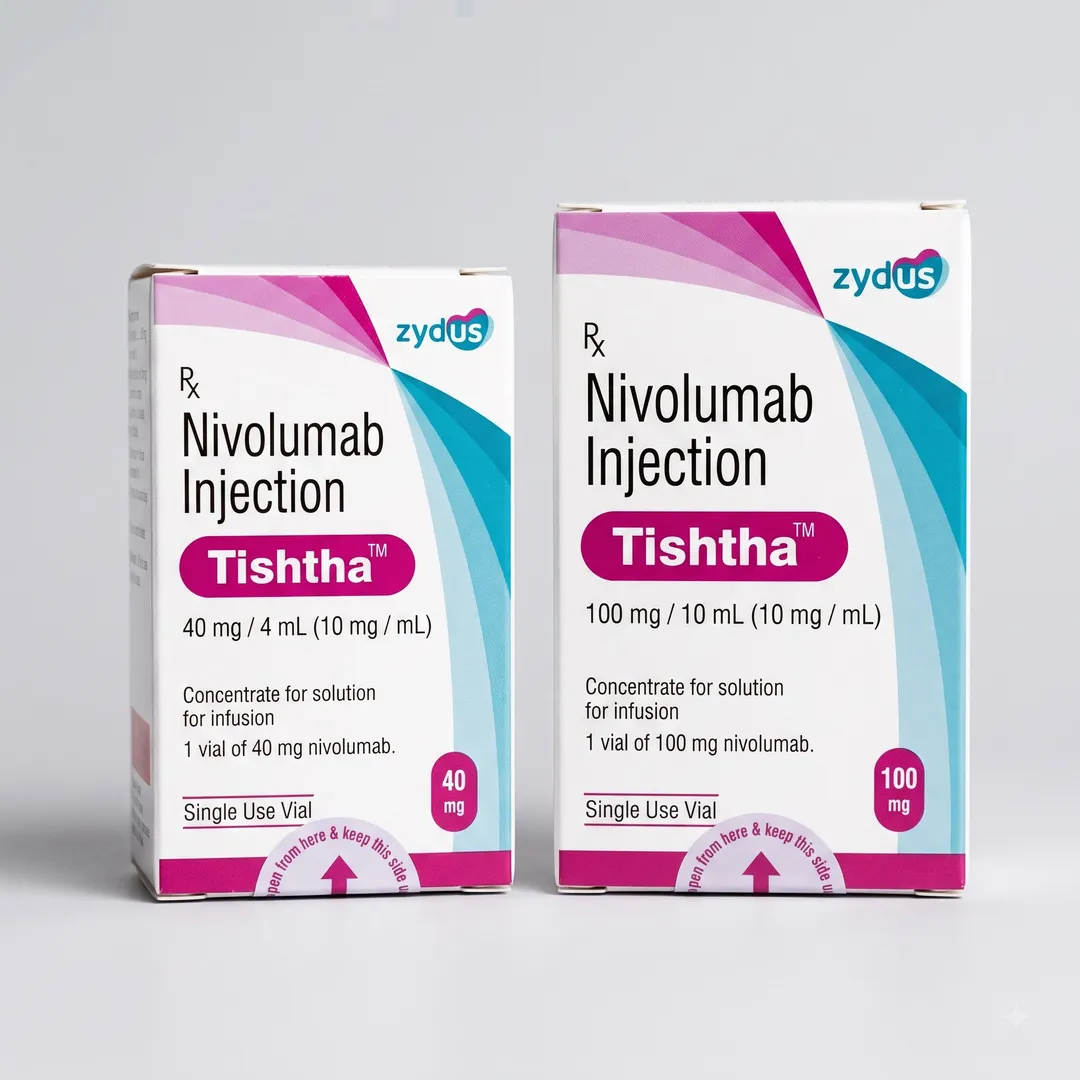
Nivolumab Injection 40MG/100MG
Nivolumab is available as an intravenous injection in single-dose vials, including 40MG/4ML and 100MG/10ML presentations. It is administered by a qualified healthcare professional through an IV infusion.
Benefits of Nivolumab Injection
Nivolumab may provide the following therapeutic benefits when prescribed for an appropriate cancer indication:
Helps activate the body's immune response against cancer cells.
Blocks the PD-1 pathway used by cancer cells to evade immune attack.
Can be used alone or in combination with other anticancer medicines depending on the cancer type.
Used as part of treatment protocols for several advanced and, for certain cancers, earlier-stage malignancies.
Uses of Nivolumab Injection
Depending on the approved indication and patient's clinical condition, nivolumab may be used for cancers including:
Melanoma
Non-small cell lung cancer (NSCLC)
Renal cell carcinoma
Classical Hodgkin lymphoma
Head and neck squamous cell carcinoma
Urothelial carcinoma
Hepatocellular carcinoma
Esophageal cancer
Gastric and gastroesophageal junction cancers
Certain MSI-H/dMMR colorectal cancers
Malignant pleural mesothelioma
The exact approved indication can vary by country, cancer stage, biomarker status and combination therapy.
Nivolumab Dosage & Administration
Nivolumab dosage is individualized by an oncologist according to the cancer type, treatment regimen, age, clinical condition and whether it is being used alone or with other medicines.
It is administered by intravenous infusion, generally in a hospital, cancer center or qualified medical facility. The infusion schedule varies according to the indication and treatment protocol.
Important: Do not self-administer Nivolumab Injection or use a fixed dose without a specialist's prescription. Current prescribing information should always be followed because approved regimens can change.
Nivolumab Side Effects
Commonly reported adverse effects can include:
Fatigue
Rash or itching
Diarrhea
Nausea
Musculoskeletal or joint pain
Cough
Reduced appetite
Fever
Headache
Abdominal discomfort
Nivolumab can also cause serious immune-mediated reactions affecting organs such as the lungs, liver, intestines, kidneys, skin and endocrine glands. Patients should promptly report unusual or severe symptoms to their healthcare provider.
Important Safety Information
Nivolumab treatment requires medical monitoring. Healthcare professionals may monitor liver enzymes, kidney function and thyroid function during treatment. Infusion-related reactions can also occur.
Patients should inform their doctor about pregnancy, breastfeeding, existing medical conditions and all medicines they are taking. Nivolumab may cause fetal harm, and breastfeeding is not recommended during treatment and for the specified period after the final dose.
Frequently Asked Questions
1. What is Nivolumab Injection used for?
Nivolumab is an immunotherapy medicine used for several cancers, including melanoma, lung cancer, kidney cancer, Hodgkin lymphoma and other approved indications.
2. What are the available strengths of Nivolumab Injection?
Common intravenous presentations include 40MG/4ML and 100MG/10ML single-dose vials. Other strengths may also be available depending on the market.
3. How is Nivolumab administered?
It is administered intravenously by a healthcare professional, usually in a hospital or specialized medical facility.
4. How often is Nivolumab given?
The treatment interval depends on the cancer type and prescribed regimen. The oncologist determines the appropriate schedule.
5. Can Nivolumab be combined with other medicines?
Yes. Depending on the indication, nivolumab may be prescribed with medicines such as ipilimumab or chemotherapy.
6. Is Nivolumab chemotherapy?
Nivolumab is immunotherapy, specifically a PD-1 immune checkpoint inhibitor. It works differently from traditional cytotoxic chemotherapy.
7. Can Nivolumab cause serious side effects?
Yes. Immune-mediated adverse reactions can sometimes be severe or life-threatening and require prompt medical evaluation.
8. Who should prescribe Nivolumab?
Nivolumab should be prescribed and administered under the supervision of a qualified oncologist or other appropriately trained healthcare professional.
Medical Disclaimer: This page is for educational and SEO information only and does not replace professional medical advice, diagnosis or prescribing information. Nivolumab is a prescription cancer medicine and should be used only under appropriate medical supervision. Always consult the latest local prescribing information before treatment.