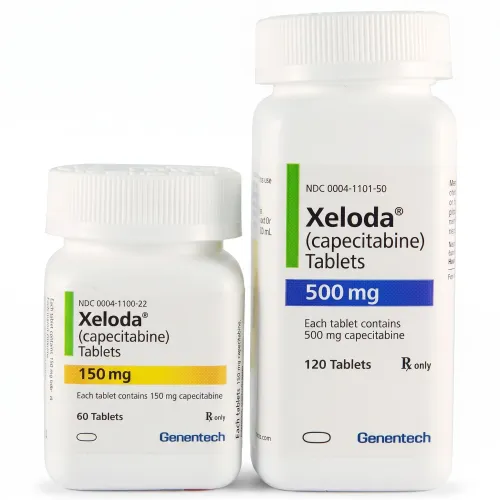
Xeloda Tablets contain capecitabine, an oral anticancer medicine used under specialist medical supervision for the treatment of certain types of cancer. Capecitabine belongs to a group of medicines known as antimetabolites and is converted in the body into 5-fluorouracil (5-FU), which interferes with the growth of cancer cells. Capecitabine may be prescribed as a single medicine or together with other cancer treatments, depending on the type and stage of cancer and the patient's individual treatment plan. It is used in the management of certain colorectal, breast, gastric, esophageal, gastroesophageal junction and pancreatic cancers. Xeloda Tablets Strengths Capecitabine tablets are available in different strengths to allow oncologists to individualize treatment according to the patient's medical condition, treatment regimen and other factors. Commonly referenced strengths include: Capecitabine 150 mg Tablets Capecitabine 500 mg Tablets Capecitabine 1000 mg Tablets may also be available in certain formulations and markets. The appropriate strength and number of tablets should always be determined by the treating oncologist. Patients should not change the strength or dose themselves. Xeloda Tablets Uses Capecitabine may be prescribed for certain cancers, including: Colorectal cancer Breast cancer Gastric cancer Esophageal cancer Gastroesophageal junction cancer Pancreatic cancer The approved indication can differ according to the country, product formulation and treatment setting. In India, capecitabine products are subject to applicable regulatory approvals and prescription requirements. How Capecitabine Tablets Are Taken Capecitabine is an oral prescription medicine. The exact dosage and treatment schedule are individualized by an oncologist. Depending on the prescribed regimen, treatment may involve periods of taking the medicine followed by a rest period. Patients should take the medicine exactly as prescribed and should not alter, crush or substitute tablets without medical advice. Some prescribing information recommends taking capecitabine with water within 30 minutes after a meal. Important Safety Information Capecitabine can cause side effects and requires appropriate medical monitoring. Commonly reported adverse effects include diarrhea, nausea, vomiting, abdominal discomfort, tiredness and hand-foot syndrome. More serious reactions can also occur. Patients should promptly contact their healthcare professional if they develop severe diarrhea, dehydration, unusual bleeding, severe skin reactions, chest symptoms or other concerning symptoms. Capecitabine may interact with certain medicines, including vitamin K antagonist anticoagulants and phenytoin. Patients should tell their doctor about all medicines and supplements they are taking. Xeloda Tablets FAQs What are Xeloda Tablets used for? Xeloda is a brand name associated with capecitabine, an oral anticancer medicine used for certain cancers. Treatment should only be undertaken according to an oncologist's prescription. What is the generic name of Xeloda? The active ingredient associated with Xeloda is capecitabine. What strengths of capecitabine tablets are available? Capecitabine tablets are available in strengths such as 150 mg and 500 mg, with 1000 mg formulations also documented in Indian regulatory records. Availability can vary by manufacturer and market. Can I buy capecitabine tablets without a prescription in India? Capecitabine is an anticancer prescription medicine. Patients should obtain and use it only under appropriate medical supervision and according to applicable Indian requirements. Can I choose my own capecitabine dose? No. The dose depends on factors including the cancer being treated, treatment combination, body measurements, kidney function and tolerance. The prescribing oncologist should determine the dose. What should I do if I experience side effects? Contact your treating doctor promptly. Severe diarrhea, dehydration, significant skin reactions, unusual bleeding or other serious symptoms require medical attention. Medical Disclaimer: This information is provided for educational purposes and is not a substitute for diagnosis, prescription or treatment from a qualified healthcare professional. Always consult your oncologist before starting, stopping or changing cancer treatment.

Nagpur
+919405117673
+919405117673
 Chat with us
 Chat with us