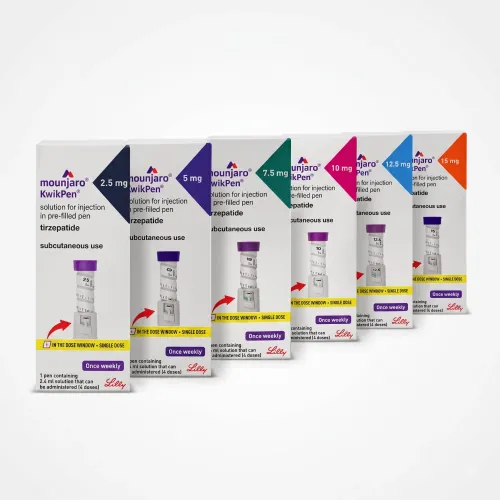
Mounjaro Injections contain tirzepatide, a prescription injectable medicine used with diet and exercise to improve blood sugar control in people with type 2 diabetes. Tirzepatide is a dual GIP and GLP-1 receptor agonist that works on hormone pathways involved in blood glucose regulation and appetite. The medicine is administered by subcutaneous injection and is generally used once weekly according to an individualized treatment plan. Mounjaro Injection Strengths Tirzepatide injection is available in several strengths, including: 2.5 mg/0.5 mL 5 mg/0.5 mL 7.5 mg/0.5 mL 10 mg/0.5 mL 12.5 mg/0.5 mL 15 mg/0.5 mL The appropriate strength depends on the patient's medical condition, response to treatment, tolerability, and healthcare professional's instructions. The recommended starting dosage in current U.S. prescribing information is 2.5 mg once weekly, followed by dose adjustment when appropriate. How Does Tirzepatide Injection Work? Tirzepatide activates both GIP and GLP-1 receptors. These pathways are involved in glucose-dependent insulin secretion and other metabolic processes. Tirzepatide also delays gastric emptying, which can affect the absorption of some oral medicines. Because treatment requirements differ between individuals, tirzepatide should be used only under appropriate medical supervision. It is not intended to replace a balanced diet, physical activity, or professional diabetes care. How Is Mounjaro Injection Used? Tirzepatide injection is administered subcutaneously once weekly, with or without food. Injection sites can include the abdomen or thigh; administration in the back of the upper arm should be performed by another person. Injection sites should be rotated. Patients should follow the prescribed dose and schedule and should not change the strength or frequency without consulting their healthcare professional. Possible Side Effects Common adverse reactions reported with tirzepatide include nausea, diarrhea, decreased appetite, vomiting, constipation, indigestion, and abdominal pain. Serious risks can also occur, including pancreatitis, severe gastrointestinal reactions, gallbladder problems, kidney injury related to dehydration, serious hypersensitivity reactions, and hypoglycemia when used with insulin or certain insulin-releasing medicines. Tirzepatide carries a boxed warning concerning thyroid C-cell tumors observed in rats. It is contraindicated in individuals with a personal or family history of medullary thyroid carcinoma or with Multiple Endocrine Neoplasia syndrome type 2. Storage and Handling Tirzepatide injections should be stored and handled according to the applicable product labeling and local regulatory requirements. Patients should check the packaging and prescribing information for specific storage instructions before use. Frequently Asked Questions What is Mounjaro Injection? Mounjaro is the registered product name for an injectable medicine containing tirzepatide. Tirzepatide is used with diet and exercise to improve glycemic control in type 2 diabetes. What strengths are available? Tirzepatide injection is available in 2.5 mg, 5 mg, 7.5 mg, 10 mg, 12.5 mg, and 15 mg strengths per 0.5 mL under current U.S. labeling. How often is tirzepatide injected? It is administered subcutaneously once weekly according to the prescribed treatment schedule. Can I use tirzepatide without medical advice? No. Tirzepatide is a prescription medicine and should be used under the supervision of a qualified healthcare professional. Where can I learn more about tirzepatide? Patients should consult their doctor, pharmacist, or the official prescribing information for detailed instructions, contraindications, warnings, and precautions before treatment.

Nagpur
+919405117673
+919405117673
 Chat with us
 Chat with us