Valsartan Tablets 40 mg, 80 mg & 160 mg – Uses, Benefits, Dosage & FAQs | Global Guide (USA, UK, UAE
Description
Valsartan Tablets 40 mg, 80 mg & 160 mg
Valsartan Tablets are prescription medicines belonging to the Angiotensin II Receptor Blocker (ARB) class. They are commonly prescribed for managing high blood pressure (hypertension), heart failure, and improving survival after a heart attack. Valsartan helps relax blood vessels, allowing blood to flow more easily and reducing strain on the heart. These indications are reflected in approved prescribing information.
Available Strengths
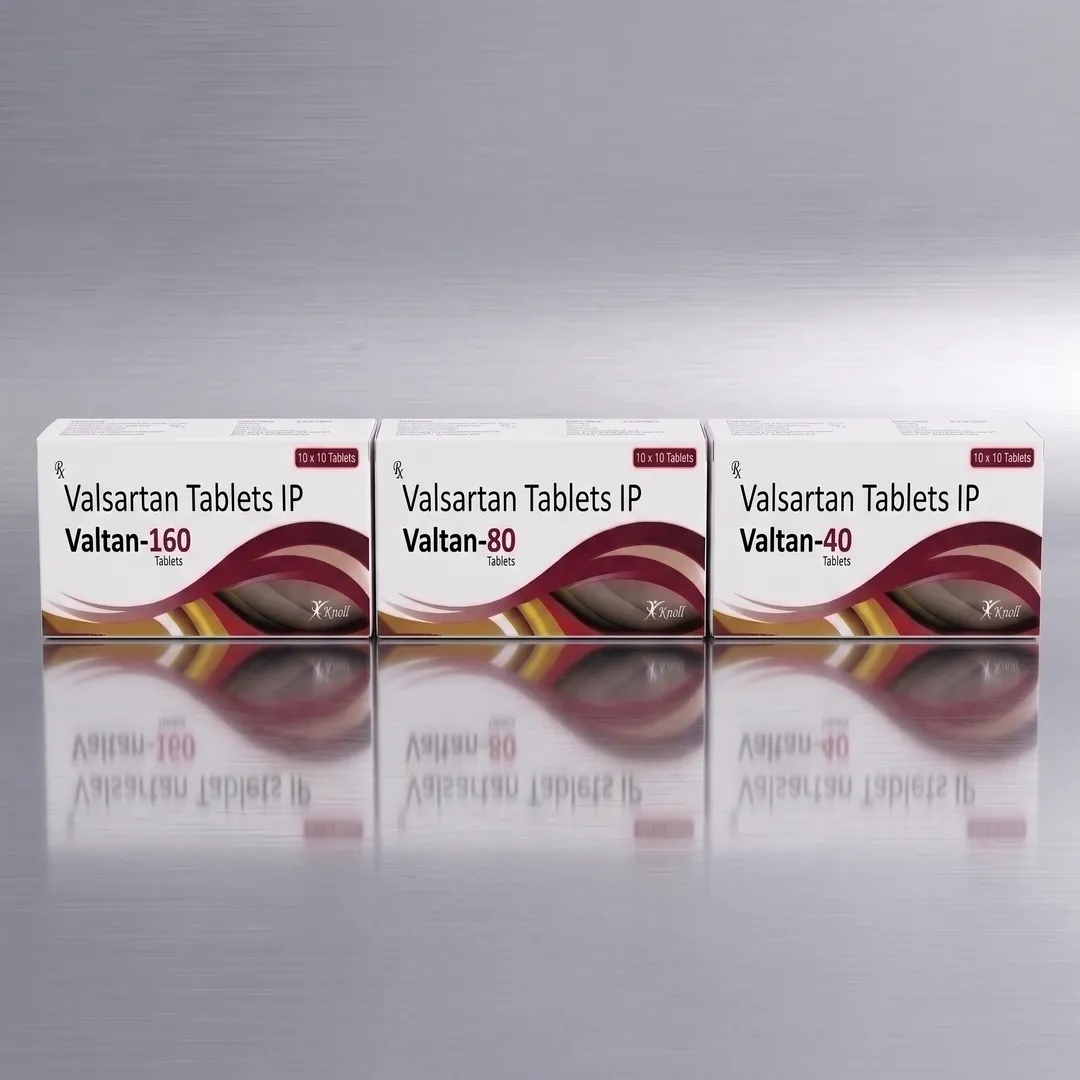
Valsartan 40 mg Tablets
Valsartan 80 mg Tablets
Valsartan 160 mg Tablets
These strengths are available in many international markets including the USA, UK, UAE, South Africa, Singapore, Australia, Canada, and Germany.
Why Doctors Prescribe Valsartan
Valsartan may be prescribed for:
High blood pressure (Hypertension)
Heart failure
Recovery following a heart attack (Myocardial Infarction)
Reducing cardiovascular risk in appropriate patients
Your healthcare provider determines the correct indication and dose based on your medical condition.
Valsartan 40 mg Tablets
Common Uses
Initial treatment for some patients
Heart failure
Dose titration
Patients requiring lower doses
Benefits
Helps lower blood pressure
Supports heart function
May reduce hospitalization in eligible heart failure patients
Valsartan 80 mg Tablets
Common Uses
Hypertension
Long-term blood pressure control
Dose adjustment based on physician assessment
Benefits
24-hour blood pressure control in many patients
Helps reduce cardiovascular complications associated with uncontrolled hypertension
Valsartan 160 mg Tablets
Common Uses
Moderate to severe hypertension
Heart failure maintenance therapy (when appropriate)
Higher-dose therapy prescribed by physicians
Benefits
Effective blood pressure management
Helps decrease workload on the heart
How Does Valsartan Work?
Valsartan blocks the action of Angiotensin II, a hormone that causes blood vessels to narrow. By blocking this hormone, blood vessels relax, reducing blood pressure and making it easier for the heart to pump blood.
Common Side Effects
Some patients may experience:
Dizziness
Headache
Fatigue
Low blood pressure
Increased potassium levels
Changes in kidney function
Seek medical advice if side effects are severe or persistent.
Important Safety Information
Do not take Valsartan without medical supervision.
Tell your doctor if you:
Are pregnant or planning pregnancy
Have kidney disease
Have liver disease
Have dehydration
Take potassium supplements
Take other blood pressure medicines
Medicines affecting the renin-angiotensin system, including valsartan, should generally be discontinued during pregnancy because of the risk of fetal harm.
Countries We Serve
Our pharmaceutical solutions support customers and partners in:
USA
United Kingdom (UK)
United Arab Emirates (UAE)
South Africa
Singapore
Australia
Canada
Germany
Frequently Asked Questions (FAQs)
1. What is Valsartan used for?
Valsartan is used to treat high blood pressure, heart failure, and to improve survival after certain heart attacks.
2. What strengths are available?
Common strengths include:
Valsartan 40 mg
Valsartan 80 mg
Valsartan 160 mg
Valsartan 320 mg (where available)
3. Is Valsartan taken once daily?
For hypertension, many adults take valsartan once daily, but dosing depends on the medical condition. Heart failure and post-heart attack treatment often use twice-daily dosing. Always follow your healthcare provider's instructions.
4. Can Valsartan be taken with food?
Yes. Valsartan may generally be taken with or without food unless your healthcare provider advises otherwise.
5. Is Valsartan safe during pregnancy?
No. Valsartan should generally not be used during pregnancy because it may harm the unborn baby. Contact your healthcare provider immediately if pregnancy occurs while taking it.
6. What are the common side effects?
Common side effects include:
Dizziness
Fatigue
Headache
Low blood pressure
Increased potassium
7. Can elderly patients take Valsartan?
Many older adults use valsartan, but dosage and monitoring should be individualized by a healthcare professional.
8. How long does Valsartan take to work?
Blood pressure may begin to decrease within several hours, but achieving the full therapeutic effect can take several weeks.
9. Is Valsartan available worldwide?
Yes. Valsartan is widely available in many countries, including the USA, UK, UAE, South Africa, Singapore, Australia, Canada, and Germany, subject to local regulatory approvals and prescription requirements.
10. Do I need a prescription?
In most countries, Valsartan is a prescription-only medicine.