ABAKAST-L Tablets 600 mg/300 mg: Composition and Product Information
Description
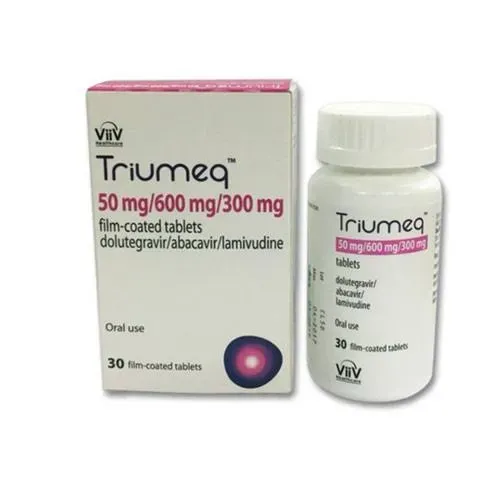
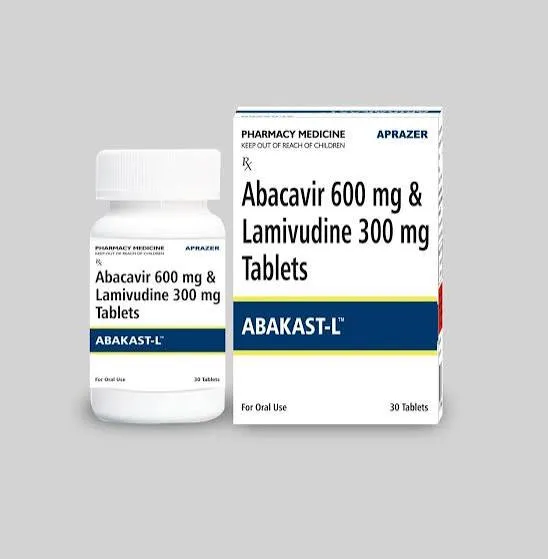
ABAKAST-L tablets are a fixed-dose antiretroviral formulation containing two active ingredients: abacavir and lamivudine. This combination belongs to the nucleoside reverse transcriptase inhibitor (NRTI) class of medicines and is used as part of combination antiretroviral therapy for HIV-1 infection.
For healthcare professionals and pharmaceutical trade stakeholders in Singapore, accurate product information is essential when reviewing the formulation, strength, intended use and applicable regulatory requirements.
Strength and Composition
Product name: ABAKAST-L Tablets
Dosage form: Oral tablets
Strength per tablet:
Abacavir: 600 mg
Lamivudine: 300 mg
Therapeutic category: Antiretroviral medicine
Formulation: Fixed-dose combination of two active pharmaceutical ingredients.
Always verify the product packaging, approved prescribing information and batch documentation for the exact formulation and presentation.
Description and Pharmacological Information
Abacavir and lamivudine act by inhibiting HIV reverse transcriptase, an enzyme required for the virus to replicate its genetic material. Their combined action helps suppress viral replication when used within an appropriate antiretroviral treatment regimen.
ABAKAST-L is not a standalone cure for HIV. Treatment selection depends on individual clinical circumstances, previous antiretroviral exposure, resistance information and the complete treatment plan established by a qualified healthcare professional.
Clinical Considerations and Precautions
Abacavir-containing treatment requires careful assessment for hypersensitivity risk, including appropriate HLA-B*5701 screening in accordance with current clinical guidance and prescribing information. Suspected abacavir hypersensitivity requires urgent medical assessment, and the medicine must not be restarted if hypersensitivity has been diagnosed.
Other considerations include liver health, kidney function, hepatitis B co-infection, potential drug interactions and other prescribed medicines. Commonly reported adverse effects associated with these active ingredients may include nausea, headache, fatigue and gastrointestinal symptoms.
The prescribed regimen, monitoring schedule and duration of treatment must be determined by the treating clinician. Patients should not independently start, stop or change antiretroviral therapy.
Frequently Asked Questions
1. What is the composition of ABAKAST-L tablets?
Each tablet contains abacavir 600 mg and lamivudine 300 mg, subject to confirmation against the approved product label.
2. What is the therapeutic category of ABAKAST-L?
It is an antiretroviral fixed-dose combination containing two nucleoside reverse transcriptase inhibitors.
3. What is ABAKAST-L used for?
The combination may be used as part of an appropriate antiretroviral regimen for HIV-1 infection, according to approved prescribing information and individual clinical assessment.
4. Can ABAKAST-L cure HIV?
No. Antiretroviral treatment controls viral replication but does not cure HIV. Ongoing clinical care and adherence to the prescribed treatment plan remain important.
5. What precautions are associated with abacavir?
Abacavir can cause a potentially serious hypersensitivity reaction. Appropriate screening, recognition of warning symptoms and adherence to the prescribing information are essential.
6. Is ABAKAST-L registered for sale in Singapore?
Singapore registration must be verified through the Health Sciences Authority's official resources before the product is marketed or supplied locally. Availability in another country does not establish Singapore registration.
Important Regulatory Notice
This information is intended for healthcare professionals and pharmaceutical trade enquiries. It does not replace approved prescribing information or individual medical advice. Confirm Singapore regulatory status, approved indications and applicable supply requirements before publication or distribution.