
Adalimumab Injection: Uses, Benefits, Dosage, Side Effects & FAQs
Description
Adalimumab Injection
What is Adalimumab?
Adalimumab is a prescription biologic medicine that belongs to a class of medications known as Tumor Necrosis Factor (TNF) inhibitors. It works by blocking TNF-alpha, a protein responsible for inflammation in the body. By reducing excessive inflammation, Adalimumab helps manage several autoimmune and inflammatory diseases.
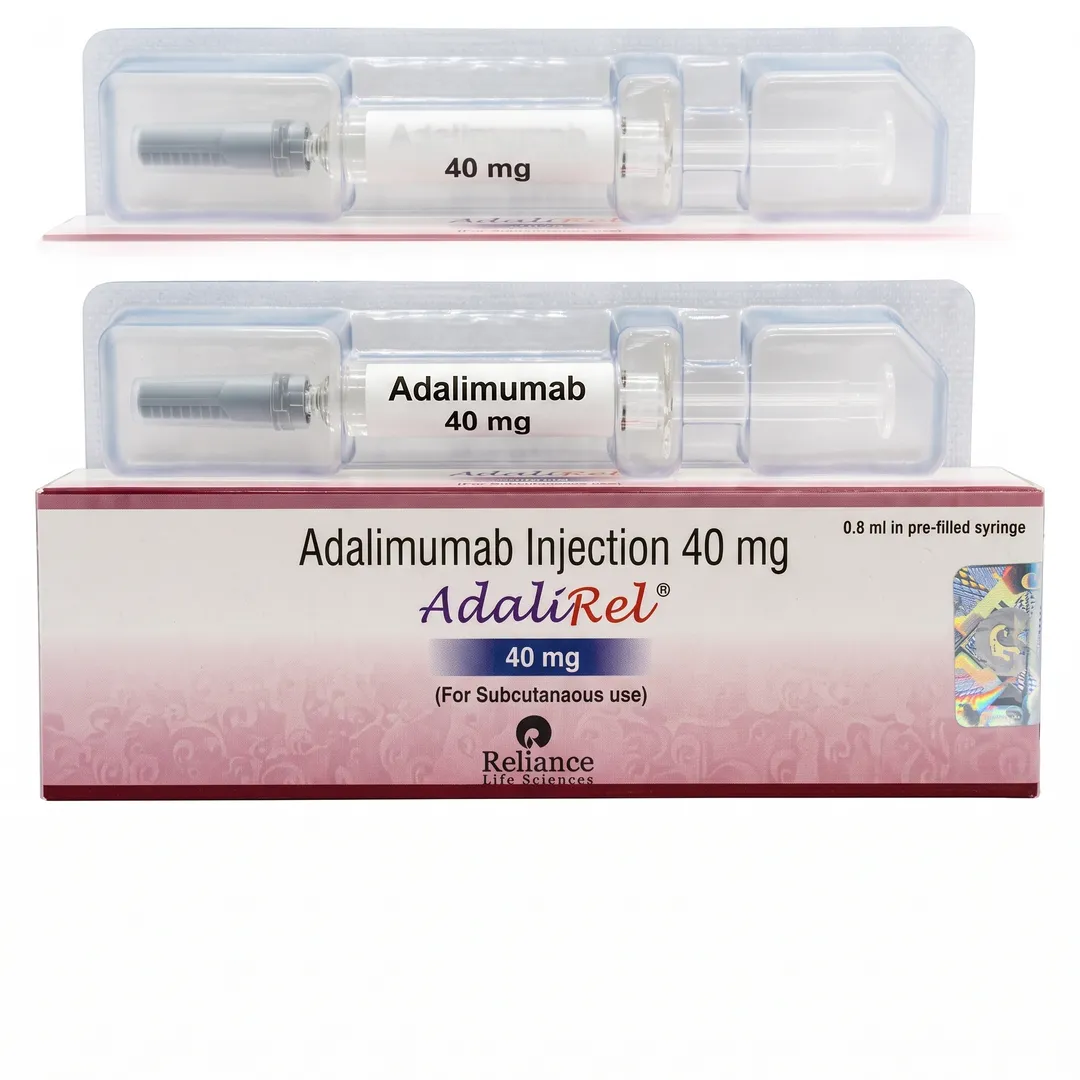
Adalimumab is available as a prefilled syringe, prefilled pen, or injectable solution and should only be used under the supervision of a qualified healthcare professional.
Uses of Adalimumab Injection
Adalimumab is commonly prescribed for the treatment of:
Rheumatoid Arthritis (RA)
Psoriatic Arthritis (PsA)
Ankylosing Spondylitis (AS)
Plaque Psoriasis
Crohn's Disease
Ulcerative Colitis
Juvenile Idiopathic Arthritis
Hidradenitis Suppurativa
Uveitis
Other autoimmune disorders as recommended by healthcare providers
How Does Adalimumab Work?
Adalimumab specifically targets and blocks Tumor Necrosis Factor-alpha (TNF-α), a substance produced by the immune system that contributes to inflammation and tissue damage. By reducing TNF activity, Adalimumab helps:
Reduce pain and swelling
Prevent joint damage
Improve mobility
Control skin symptoms
Maintain disease remission
Improve quality of life
Benefits of Adalimumab Injection
Patients receiving Adalimumab may experience:
Reduced inflammation
Relief from joint pain and stiffness
Improved physical function
Better skin clearance in psoriasis
Reduced frequency of disease flare-ups
Long-term disease management
Improved daily activities and quality of life
Dosage and Administration
The dosage of Adalimumab varies depending on the medical condition, patient age, body weight, and physician recommendations.
General guidelines include:
Administered as a subcutaneous (under-the-skin) injection.
Injection sites include the thigh or abdomen.
Rotate injection sites to minimize skin irritation.
Follow the prescribed dosing schedule.
Never adjust the dose without medical advice.
Always read the product instructions and consult your healthcare provider before use.
Possible Side Effects
Like all medications, Adalimumab may cause side effects.
Common Side Effects
Injection site redness
Pain or swelling
Headache
Mild rash
Upper respiratory infections
Nausea
Serious Side Effects
Seek immediate medical attention if you experience:
Severe allergic reactions
Persistent fever
Shortness of breath
Chest pain
Vision changes
Severe infections
Unusual bleeding or bruising
Symptoms of liver problems
Your healthcare provider will monitor you regularly during treatment.
Precautions Before Using Adalimumab
Inform your healthcare provider if you:
Have any active infection
Have tuberculosis (TB) or have been exposed to TB
Have hepatitis B infection
Have heart failure
Have multiple sclerosis or other neurological disorders
Are pregnant or planning pregnancy
Are breastfeeding
Have recently received or plan to receive vaccinations
Regular blood tests and health monitoring may be recommended.
Storage Instructions
Store refrigerated between 2°C and 8°C.
Do not freeze.
Keep the medication in its original carton to protect it from light.
Do not use if frozen or expired.
Keep out of reach of children.
Frequently Asked Questions (FAQs)
1. What is Adalimumab used for?
Adalimumab is used to treat several autoimmune diseases, including rheumatoid arthritis, Crohn's disease, ulcerative colitis, psoriasis, ankylosing spondylitis, and psoriatic arthritis.
2. Is Adalimumab a biologic medicine?
Yes. Adalimumab is a biologic medication that targets TNF-alpha to reduce inflammation.
3. How is Adalimumab administered?
It is administered as a subcutaneous injection, usually in the thigh or abdomen, following your healthcare provider's instructions.
4. How quickly does Adalimumab start working?
Some patients notice improvement within a few weeks, while others may require several months for maximum benefit depending on the condition being treated.
5. Can I take vaccines while using Adalimumab?
Live vaccines are generally not recommended during treatment. Discuss all vaccinations with your healthcare provider before receiving them.
6. What should I do if I miss a dose?
Take the missed dose as soon as you remember unless it is almost time for your next scheduled dose. Never take a double dose. Contact your healthcare provider if you are unsure.
7. Does Adalimumab increase infection risk?
Yes. Because it suppresses part of the immune system, Adalimumab can increase the risk of serious infections. Contact your healthcare provider promptly if you develop fever, persistent cough, or other signs of infection.
8. Can Adalimumab be used during pregnancy?
Treatment decisions during pregnancy should be individualized. Discuss the risks and benefits with your healthcare provider before using Adalimumab if you are pregnant or planning pregnancy.