Afzanna Tablets: Uses, Strengths, Benefits, Side Effects
Description
Afzanna Tablets contain afatinib dimaleate, a prescription anticancer medicine used to treat certain types of non-small cell lung cancer (NSCLC). It belongs to a class of medicines called tyrosine kinase inhibitors (TKIs), which target proteins involved in cancer cell growth. Treatment suitability depends on the patient's cancer diagnosis and specific genetic mutations.
Patients and caregivers in Singapore should consult an oncologist before starting treatment and verify the product's registration and availability through the relevant healthcare or pharmaceutical channels.
Afzanna Tablets: Product Description
Afzanna is an oral targeted therapy containing afatinib dimaleate. It works by blocking signalling pathways associated with the epidermal growth factor receptor (EGFR) and related proteins, helping to slow the growth and spread of certain cancer cells.
Afatinib may be prescribed for eligible adults with locally advanced or metastatic NSCLC carrying specific EGFR mutations. A healthcare professional will determine whether this treatment is appropriate based on diagnostic tests, medical history and treatment goals.
Afzanna Tablet Strengths
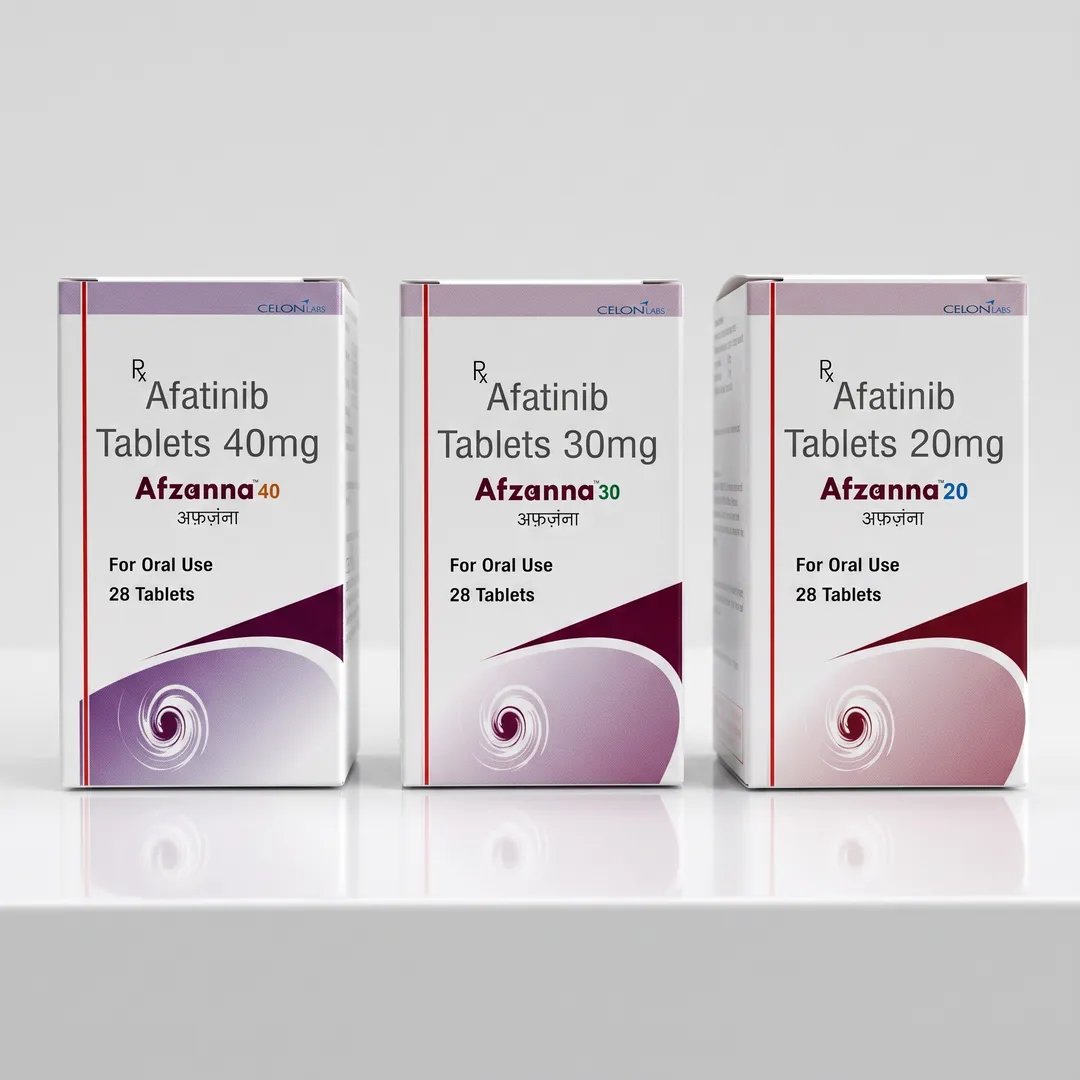
Afzanna Tablets are listed in the following strengths in Indian pharmaceutical product references:
Afzanna 20 mg Tablet: A lower strength that may be prescribed when clinically appropriate.
Afzanna 30 mg Tablet: An alternative strength for individualised treatment.
Afzanna 40 mg Tablet: A strength used when appropriate for the patient's treatment plan.
These strengths contain afatinib as the active ingredient. Availability, packaging and registration of the specific Afzanna brand in Singapore should be independently verified. The listed strengths do not confirm local registration.
Benefits of Afzanna Tablets
Targeted treatment for eligible lung cancer patients
Afatinib targets specific cellular signalling pathways involved in tumour growth. This targeted approach may help control disease in patients whose cancers have the relevant EGFR mutations.
Supports individualised cancer care
An oncologist can select an appropriate starting dose and adjust treatment according to response, tolerability and the patient's overall health.
Convenient oral administration
Afatinib is taken by mouth, allowing patients to follow a prescribed treatment schedule outside a hospital setting, with appropriate medical supervision.
Important: Afzanna is not a cure for every type of lung cancer. Benefits vary between individuals, and treatment outcomes cannot be guaranteed.
Afzanna Tablets: Side Effects and Precautions
Common side effects associated with afatinib include:
Diarrhoea
Skin rash and acne-like reactions
Dry skin and itching
Mouth inflammation or mouth sores
Nausea and vomiting
Reduced appetite
Nail changes
Some adverse reactions can become serious. Severe or persistent diarrhoea may cause dehydration and kidney complications. Rare but serious risks include lung inflammation, significant liver problems and severe skin reactions.
Seek urgent medical attention for breathing difficulties, severe diarrhoea, signs of dehydration, widespread blistering or peeling skin, or yellowing of the skin or eyes.
Tell your doctor about existing liver or kidney problems, pregnancy, breastfeeding and all medicines or supplements you take. Afatinib can harm an unborn baby; discuss effective contraception and pregnancy-related precautions with your healthcare professional.
Frequently Asked Questions About Afzanna Tablets
1. What are Afzanna Tablets used for?
They are used to treat certain forms of NSCLC in eligible patients with specific EGFR mutations, as determined by an oncologist.
2. How should Afzanna Tablets be taken?
Follow your oncologist's instructions. Afatinib is generally taken once daily on an empty stomach, at least one hour before or three hours after food. Do not change the dose without medical advice.
3. Can Afzanna cure lung cancer?
It is not a guaranteed cure. In suitable patients, treatment may help control cancer, but results depend on the disease and individual response.
4. Are Afzanna Tablets available in Singapore?
Availability and registration of the specific brand must be verified. Check the Health Sciences Authority (HSA) product information database or consult a licensed healthcare professional.
5. Can I buy Afzanna Tablets online in Singapore?
Do not purchase prescription cancer medicines from unverified websites. Consult a licensed healthcare provider and use authorised supply channels.
Conclusion
Afzanna Tablets contain afatinib dimaleate, a targeted anticancer medicine for selected patients with EGFR mutation-positive NSCLC. Understanding its strengths, potential benefits and side effects can help patients make informed decisions with their oncology team. Always confirm product authenticity, Singapore registration status and prescription requirements before obtaining this medicine.