Capmatinib 200mg Tablets – Targeted Therapy for MET Exon 14 Skipping Mutation NSCLC
Description
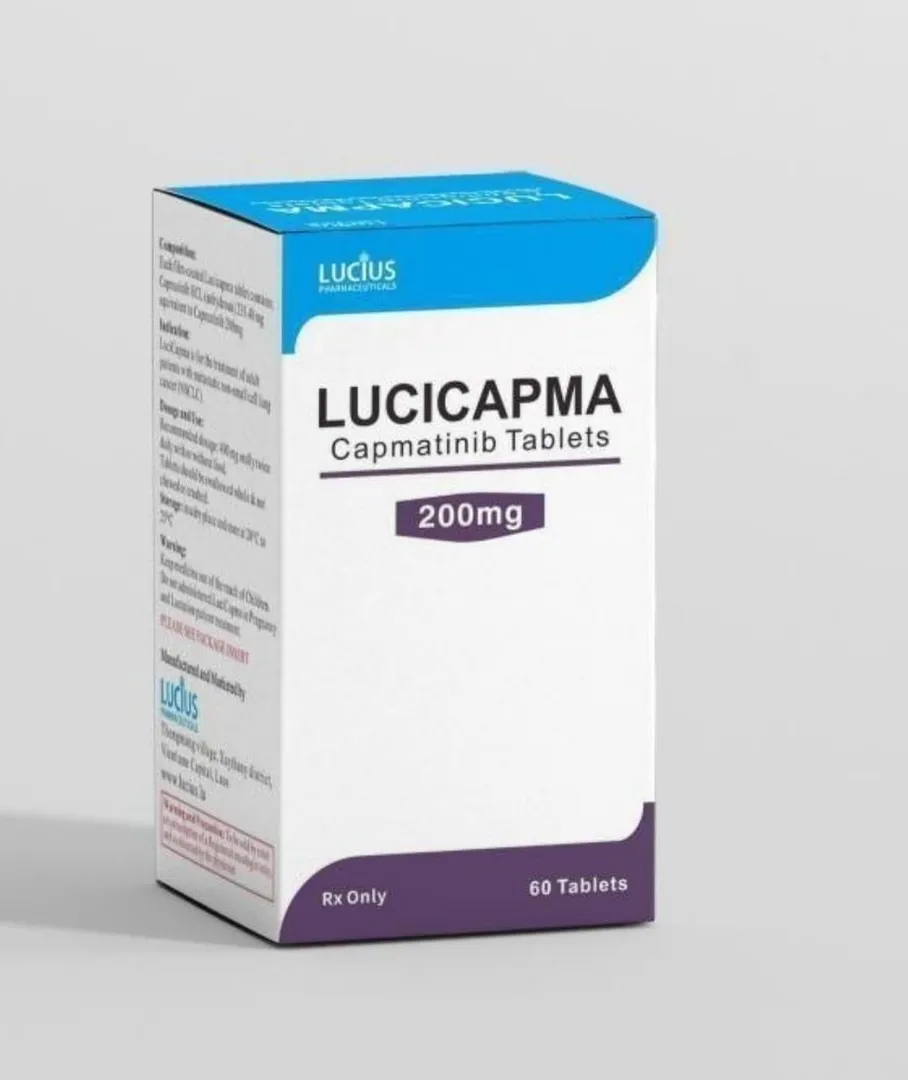
Capmatinib 200mg Tablets
Capmatinib 200mg Tablets are a prescription targeted anticancer medicine used to treat adults with non-small cell lung cancer (NSCLC) that has a MET exon 14 skipping mutation. Capmatinib works by selectively inhibiting the MET receptor tyrosine kinase, helping slow or stop the growth of cancer cells driven by this genetic alteration.
Capmatinib is prescribed only after a confirmed genetic test identifies the MET exon 14 skipping mutation, ensuring the treatment is appropriate for the patient.
What is Capmatinib 200mg?
Capmatinib is a highly selective MET inhibitor developed for precision oncology. It targets abnormal MET signaling, which contributes to uncontrolled tumor growth in certain lung cancers. By blocking MET activity, Capmatinib helps reduce tumor progression and may improve treatment outcomes for eligible patients.
Uses of Capmatinib 200mg Tablets
Capmatinib 200mg Tablets are indicated for:
Treatment of adults with metastatic or advanced non-small cell lung cancer (NSCLC)
Patients with confirmed MET exon 14 skipping mutation
Precision oncology treatment based on molecular diagnostic testing
Management of advanced lung cancer under the supervision of an oncologist
How Capmatinib Works
Capmatinib inhibits the MET (Mesenchymal-Epithelial Transition) receptor tyrosine kinase. In patients with MET exon 14 skipping mutations, the MET pathway becomes overactive, promoting cancer cell growth and spread.
By selectively blocking MET signaling, Capmatinib helps:
Slow cancer cell growth
Reduce tumor progression
Limit cancer cell survival
Improve disease control in eligible patients
Dosage and Administration
The recommended dose should always be determined by a qualified healthcare provider.
General administration guidelines include:
Take exactly as prescribed.
Swallow tablets whole with water.
Can be taken with or without food.
Take doses at the same time each day.
Do not change or stop treatment without medical advice.
Possible Side Effects
Like all anticancer medicines, Capmatinib may cause side effects. Common adverse reactions include:
Peripheral edema (swelling)
Nausea
Fatigue
Vomiting
Shortness of breath
Loss of appetite
Elevated liver enzymes
Increased creatinine levels
Patients should immediately contact their healthcare provider if they experience severe breathing problems, signs of liver injury, or other serious symptoms.
Precautions
Before taking Capmatinib, inform your healthcare provider if you:
Have liver disease
Have kidney problems
Have lung disorders
Are pregnant or planning pregnancy
Are breastfeeding
Take prescription medicines, herbal supplements, or over-the-counter medications
Regular monitoring of liver function and overall health may be required during treatment.
Storage Instructions
Store Capmatinib Tablets:
At room temperature
Away from moisture and direct sunlight
In the original packaging
Out of reach of children
Why Choose Capmatinib?
Capmatinib offers several advantages for eligible patients:
Targeted therapy designed specifically for MET-driven NSCLC
Precision medicine based on biomarker testing
Oral tablet formulation
Selective inhibition of abnormal MET signaling
Convenient outpatient treatment under physician supervision
Frequently Asked Questions (FAQs)
1. What is Capmatinib 200mg Tablet used for?
Capmatinib is used to treat adults with metastatic or advanced non-small cell lung cancer (NSCLC) that has a confirmed MET exon 14 skipping mutation.
2. How does Capmatinib work?
Capmatinib blocks the MET receptor tyrosine kinase, preventing abnormal signaling that promotes cancer growth.
3. Who can take Capmatinib?
Only patients diagnosed with MET exon 14 skipping mutation-positive NSCLC and prescribed the medicine by an oncologist should use Capmatinib.
4. Is genetic testing required before treatment?
Yes. A validated diagnostic test should confirm the presence of a MET exon 14 skipping mutation before starting treatment.
5. Can Capmatinib be taken with food?
Yes. Capmatinib may generally be taken with or without food. Follow your healthcare provider's instructions.
6. What are the common side effects?
Common side effects include:
Swelling
Fatigue
Nausea
Vomiting
Loss of appetite
Elevated liver enzymes
Shortness of breath
Contact your healthcare provider if side effects become severe.
7. Can pregnant women take Capmatinib?
No. Capmatinib may harm an unborn baby. Effective contraception should be discussed with a healthcare provider before treatment.
8. Is Capmatinib chemotherapy?
No. Capmatinib is a targeted therapy, not traditional chemotherapy. It specifically targets cancer cells with MET pathway abnormalities.
9. How should Capmatinib Tablets be stored?
Store the tablets at room temperature in their original container, away from heat, moisture, and direct sunlight.
10. Can Capmatinib cure lung cancer?
Capmatinib is designed to help control certain types of advanced NSCLC with MET exon 14 skipping mutation