Erlotinib Tablets 100mg & 150mg: Uses, Dosage, Side Effects, Precautions & FAQs
Description
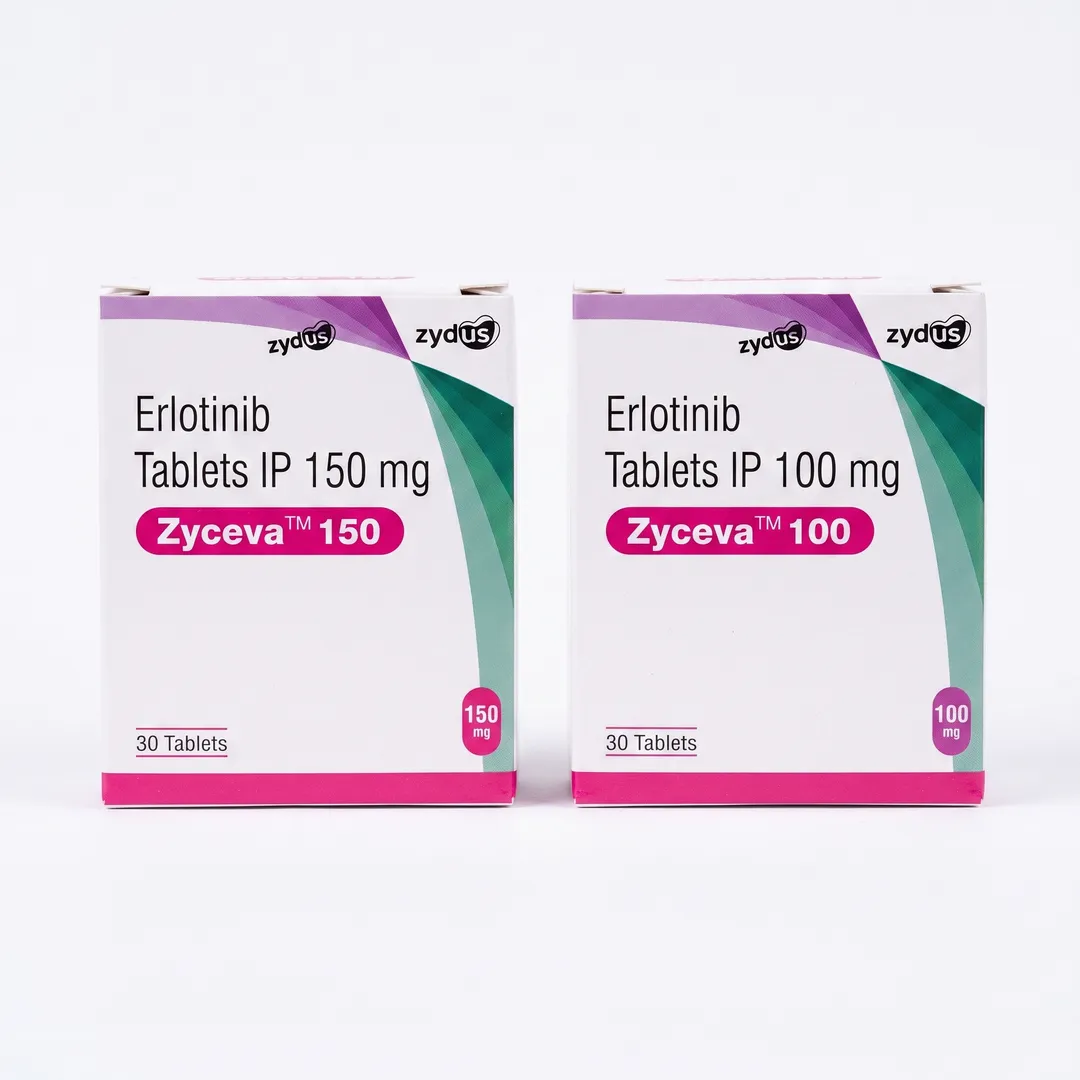
Erlotinib Tablets 100mg & 150mg
Erlotinib Tablets 100mg and 150mg are prescription medicines used to treat certain types of cancer. They belong to a group of targeted therapies called EGFR (Epidermal Growth Factor Receptor) inhibitors, which work by blocking signals that help cancer cells grow and spread.
Erlotinib is commonly prescribed for EGFR mutation-positive Non-Small Cell Lung Cancer (NSCLC) and, in combination with gemcitabine, for advanced pancreatic cancer.
Uses of Erlotinib Tablets
Erlotinib Tablets are used for:
EGFR-positive Non-Small Cell Lung Cancer (NSCLC)
Advanced or metastatic lung cancer
Maintenance treatment in selected NSCLC patients
Advanced pancreatic cancer (with gemcitabine)
Your oncologist will determine whether Erlotinib is suitable based on your cancer type and test results.
How Erlotinib Works
Erlotinib blocks the EGFR protein that promotes the growth of cancer cells. By inhibiting this pathway, it helps:
Slow cancer cell growth
Reduce tumor progression
Delay disease worsening
Improve treatment outcomes in eligible patients
Erlotinib Dosage
Always take Erlotinib exactly as prescribed by your doctor.
Recommended Dose
Erlotinib 150mg
Commonly prescribed for EGFR-positive NSCLC
Taken once daily
Erlotinib 100mg
May be prescribed if a lower dose is needed due to side effects or your doctor's recommendation.
How to Take Erlotinib
Take once daily.
Swallow the tablet whole with water.
Take on an empty stomach.
Take at least 1 hour before food or 2 hours after meals.
Take the medicine at the same time every day.
If you miss a dose, take it as soon as you remember unless it is almost time for your next dose. Never take two doses together.
Side Effects of Erlotinib
Like all medicines, Erlotinib may cause side effects.
Common Side Effects
Skin rash
Dry skin
Diarrhea
Nausea
Fatigue
Loss of appetite
Mouth sores
Hair thinning
Itching
Serious Side Effects
Contact your doctor immediately if you experience:
Difficulty breathing
Severe or persistent diarrhea
Vision changes or eye pain
Yellowing of the skin or eyes
Severe skin reactions
Unusual bleeding
Severe abdominal pain
Precautions
Before taking Erlotinib, tell your doctor if you have:
Liver disease
Kidney disease
Lung disorders
Eye problems
Bleeding disorders
Avoid smoking during treatment, as it can reduce the effectiveness of Erlotinib. Inform your healthcare provider about all medicines, vitamins, and herbal supplements you are taking.
Pregnancy and Breastfeeding
Erlotinib may harm an unborn baby. Effective contraception should be used during treatment and for the period recommended by your healthcare provider after the last dose. Breastfeeding is not recommended during treatment.
Drug Interactions
Erlotinib may interact with:
Proton pump inhibitors (PPIs)
Antacids
H2 blockers
Warfarin
Rifampicin
Phenytoin
Carbamazepine
St. John's Wort
Always consult your doctor before starting any new medication.
Storage
Store below 30°C.
Keep in the original packaging.
Protect from moisture and sunlight.
Keep out of reach of children.
Benefits of Erlotinib
Targeted cancer therapy
Convenient oral tablet
Helps slow cancer progression
Effective for EGFR-positive NSCLC
Supports personalized cancer treatment
Frequently Asked Questions (FAQs)
1. What is Erlotinib used for?
Erlotinib is used to treat EGFR mutation-positive non-small cell lung cancer and advanced pancreatic cancer in combination with gemcitabine.
2. What is the difference between Erlotinib 100mg and 150mg?
The difference is the tablet strength. Your doctor will prescribe the most appropriate dose based on your condition and treatment response.
3. How should I take Erlotinib?
Take it once daily on an empty stomach, at least one hour before or two hours after meals.
4. What are the common side effects?
Common side effects include skin rash, diarrhea, nausea, fatigue, dry skin, mouth sores, and decreased appetite.
5. Can I smoke while taking Erlotinib?
No. Smoking can reduce the effectiveness of Erlotinib and may affect treatment outcomes.
6. Can Erlotinib be taken with other medicines?
Some medicines can interact with Erlotinib. Inform your doctor about all prescription medicines, over-the-counter drugs, and supplements you use.
7. Is Erlotinib chemotherapy?
No. Erlotinib is a targeted therapy that blocks EGFR, unlike traditional chemotherapy, which attacks rapidly dividing cells more broadly.
8. What should I do if I miss a dose?
Take the missed dose as soon as you remember unless your next dose is due soon. Do not double the dose.
Conclusion
Erlotinib Tablets 100mg and 150mg are targeted medicines used for treating specific types of lung and pancreatic cancer. Following your doctor's instructions, attending regular check-ups, and reporting side effects promptly can help ensure safe and effective treatment.