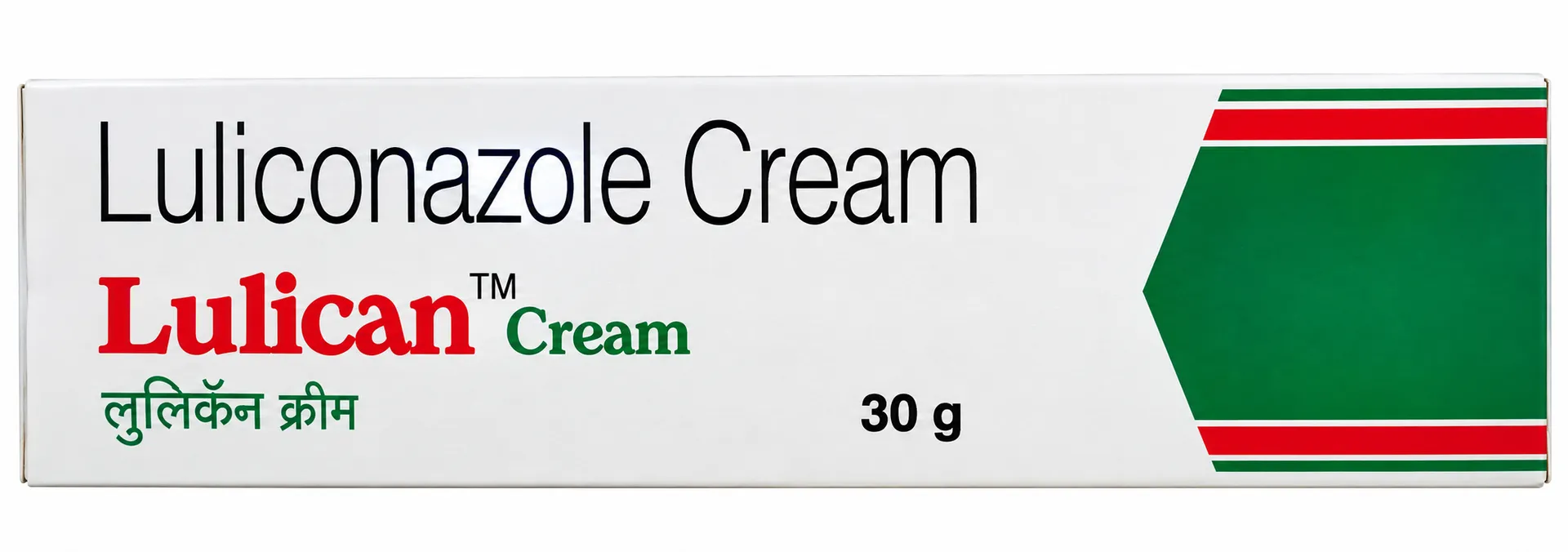
Lulican Cream – Luliconazole Cream for Fungal Skin Infections in South Africa
Description
Lulican Cream contains luliconazole, a topical antifungal medicine used for treating certain fungal infections of the skin. People in South Africa searching online for luliconazole cream may be looking for information about its uses, application, precautions, and availability. This page provides general medicine information to help patients understand the treatment and when professional medical advice may be appropriate.
What is Lulican Cream?
Lulican Cream is a topical preparation containing luliconazole, an antifungal agent. It is used against susceptible fungi that can cause common superficial skin infections. Depending on the diagnosis, topical luliconazole may be prescribed for conditions such as ringworm (tinea corporis), fungal infection of the groin (tinea cruris), and athlete’s foot (tinea pedis).
The correct diagnosis is important because several skin conditions can look similar to a fungal infection but may require different treatment.
Lulican Cream Uses
Luliconazole cream may be used for fungal infections affecting areas such as the:
Feet and spaces between the toes
Groin and surrounding skin
Trunk, arms or other affected skin areas
Use the medicine according to the instructions provided by a doctor or pharmacist. Applying more cream than recommended does not necessarily make the infection clear faster.
How to Use Lulican Cream
Clean and dry the affected skin before application. Apply a thin layer of cream to the affected area and surrounding skin as directed by your healthcare professional. Wash your hands before and after application unless the hands themselves are being treated.
Avoid contact with the eyes, mouth and other sensitive areas. Do not cover the treated area with an airtight dressing unless specifically advised by a healthcare professional.
Continue treatment for the recommended duration even if symptoms start improving. Stopping treatment too early may allow the infection to return.
Possible Side Effects and Precautions
Some people may experience local skin reactions such as redness, itching, burning, irritation or discomfort after applying a topical antifungal. If severe irritation, swelling, a significant rash, or signs of an allergic reaction occur, stop using the medicine and seek medical advice.
Pregnant or breastfeeding patients, children, and people with extensive or recurrent skin infections should consult a healthcare professional before using antifungal treatment.
Do not use luliconazole cream for an undiagnosed rash simply because it appears itchy or red. A pharmacist or doctor can help determine whether the condition is fungal.
Buying Luliconazole Cream Online in South Africa
When searching for luliconazole cream in South Africa, consumers should check that medicines are obtained through legitimate and appropriately regulated channels. SAHPRA regulates medicines and is responsible for monitoring their safety, quality and efficacy. It also maintains information resources concerning authorised medicines and medicine safety.
Consumers should avoid products with unclear ingredients, questionable packaging, or an uncertain source. For prescription or scheduled medicines, follow the applicable South African requirements and obtain advice from a registered healthcare professional.
Frequently Asked Questions
Is Lulican Cream an antifungal medicine?
Yes. It contains luliconazole, a topical antifungal ingredient.
What infections can luliconazole cream treat?
It may be prescribed for susceptible superficial fungal infections, including certain forms of athlete’s foot, ringworm and jock itch.
Can I use it for any itchy rash?
No. Itching can have many causes. A healthcare professional should confirm that the condition is fungal before treatment.
Can I buy luliconazole cream online in South Africa?
Availability and dispensing requirements can vary. Use a legitimate pharmacy or authorised medicine supplier and check the product's regulatory status where appropriate.
How long should I use luliconazole cream?
The treatment duration depends on the infection and the prescribed regimen. Follow the instructions from your doctor or pharmacist rather than extending or shortening treatment yourself.