Rasburicase Injection 1.5 mg/mL – Uses, Benefits, Dosage, Side Effects & FAQs
Description
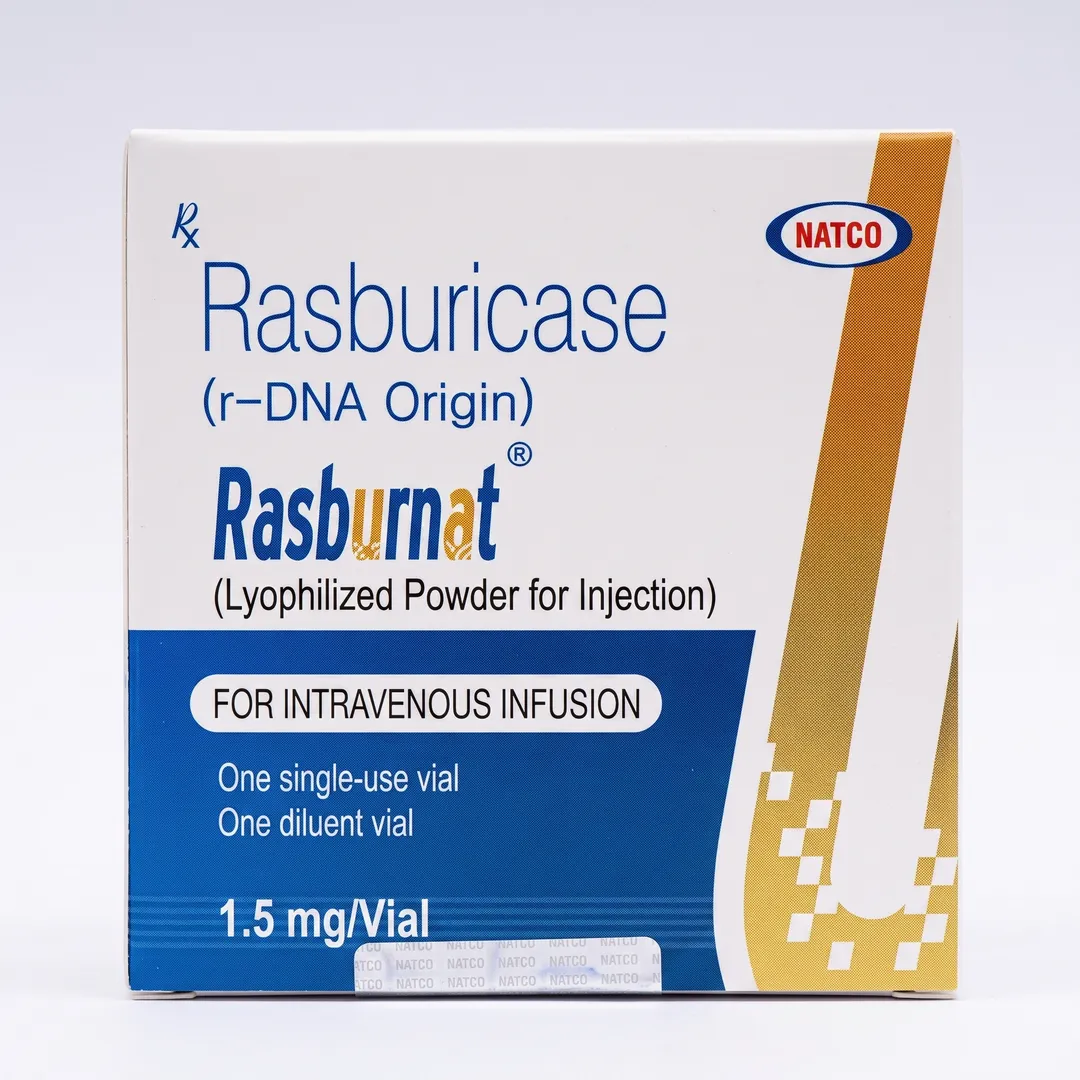
Rasburicase Injection 1.5 mg/mL is a prescription medicine used to manage acute hyperuricemia associated with tumor lysis syndrome (TLS) in patients with certain blood cancers receiving chemotherapy. It rapidly breaks down uric acid into allantoin, which is more easily eliminated by the kidneys.
What Is Rasburicase Injection 1.5 mg/mL?
Rasburicase is a recombinant urate oxidase enzyme. It is mainly used in patients with a high risk of tumor lysis syndrome, particularly when chemotherapy is expected to cause rapid destruction of cancer cells.
It is administered by intravenous infusion under medical supervision and should be used according to approved prescribing information.
Benefits of Rasburicase
Rapidly lowers elevated uric acid levels
Helps prevent chemotherapy-associated hyperuricemia
Helps reduce the risk of kidney complications related to tumor lysis
Converts uric acid into the more soluble compound allantoin
Useful for patients at high risk of tumor lysis syndrome
Supports management of hyperuricemia during cancer treatment
Uses of Rasburicase Injection
Rasburicase may be prescribed for the prevention or treatment of acute hyperuricemia associated with tumor lysis syndrome.
It may be used in patients with certain hematological malignancies, including some leukemias and lymphomas, particularly when there is a high tumor burden or a significant risk of rapid tumor cell breakdown following chemotherapy.
Rasburicase Dosage
The commonly recommended dose is:
0.2 mg/kg once daily, administered by intravenous infusion over approximately 30 minutes.
Treatment may be given for several days, generally up to 7 days, depending on the patient's clinical condition, uric acid levels and response to treatment.
The appropriate dose and duration must be determined by the treating oncologist or healthcare professional. Do not self-administer rasburicase.
How Does Rasburicase Work?
Chemotherapy can rapidly destroy cancer cells, releasing substances that are converted into uric acid. Excess uric acid may accumulate in the blood and contribute to kidney injury.
Rasburicase converts uric acid into allantoin, which is significantly more soluble and can be eliminated through the urine. This rapid reduction in uric acid helps manage hyperuricemia associated with tumor lysis.
Side Effects of Rasburicase
Possible side effects include:
Fever
Headache
Nausea
Vomiting
Rash
Itching
Abdominal discomfort
Infusion-related reactions
Changes in blood-cell counts
Rare but serious reactions can include severe allergic reactions, hemolysis and methemoglobinemia.
Patients with G6PD deficiency are at increased risk of serious hemolytic reactions and generally should not receive rasburicase. Appropriate screening and medical assessment are important before treatment.
Seek immediate medical attention for breathing difficulty, facial or throat swelling, severe rash, unusual weakness, bluish skin or other signs of a serious reaction.
Important Safety Information
Rasburicase is a hospital-use prescription medicine and should be administered by qualified healthcare professionals.
Before treatment, the doctor should review the patient's medical history, allergies and relevant laboratory results. Patients with a known severe hypersensitivity to rasburicase or other uricase products should not receive it.
Frequently Asked Questions
1. What is Rasburicase Injection 1.5 mg/mL used for?
It is used to prevent or treat acute hyperuricemia associated with tumor lysis syndrome in certain cancer patients receiving chemotherapy.
2. How is rasburicase administered?
Rasburicase is given by intravenous infusion, usually over approximately 30 minutes, under medical supervision.
3. What is the usual rasburicase dose?
The commonly recommended dose is 0.2 mg/kg once daily. The treatment duration depends on the patient's clinical condition and response.
4. Can rasburicase prevent tumor lysis syndrome?
It helps control the rapid rise in uric acid associated with tumor lysis and may reduce the risk of complications caused by hyperuricemia.
5. Can children receive rasburicase?
Yes. Rasburicase may be used in pediatric patients when clinically indicated and prescribed by an appropriate healthcare professional.
6. Who should avoid rasburicase?
Patients with severe hypersensitivity to rasburicase or other uricases should avoid it. Patients with G6PD deficiency are also generally contraindicated because of the risk of hemolysis and methemoglobinemia.
7. Is Rasburicase Injection available by prescription?
Yes. Rasburicase is a prescription medicine and should only be used under appropriate medical supervision.
8. Can rasburicase be self-administered?
No. It should be administered by qualified healthcare professionals in an appropriate clinical setting.