RituxiRel Injection 100 mg & 500 mg: Benefits, Uses, Dosage & Side Effects
Description
RituxiRel Injection 100 mg and 500 mg contain rituximab, a monoclonal antibody used under specialist supervision for certain blood cancers and autoimmune disorders. It works by targeting CD20-positive B cells.
RituxiRel Injection Uses
RituxiRel may be prescribed for:
Non-Hodgkin's lymphoma
Chronic lymphocytic leukemia (CLL)
Rheumatoid arthritis
Granulomatosis with polyangiitis (GPA)
Microscopic polyangiitis (MPA)
Pemphigus vulgaris
The exact indication depends on the patient's condition and the approved treatment protocol in the relevant country.
Available Strengths
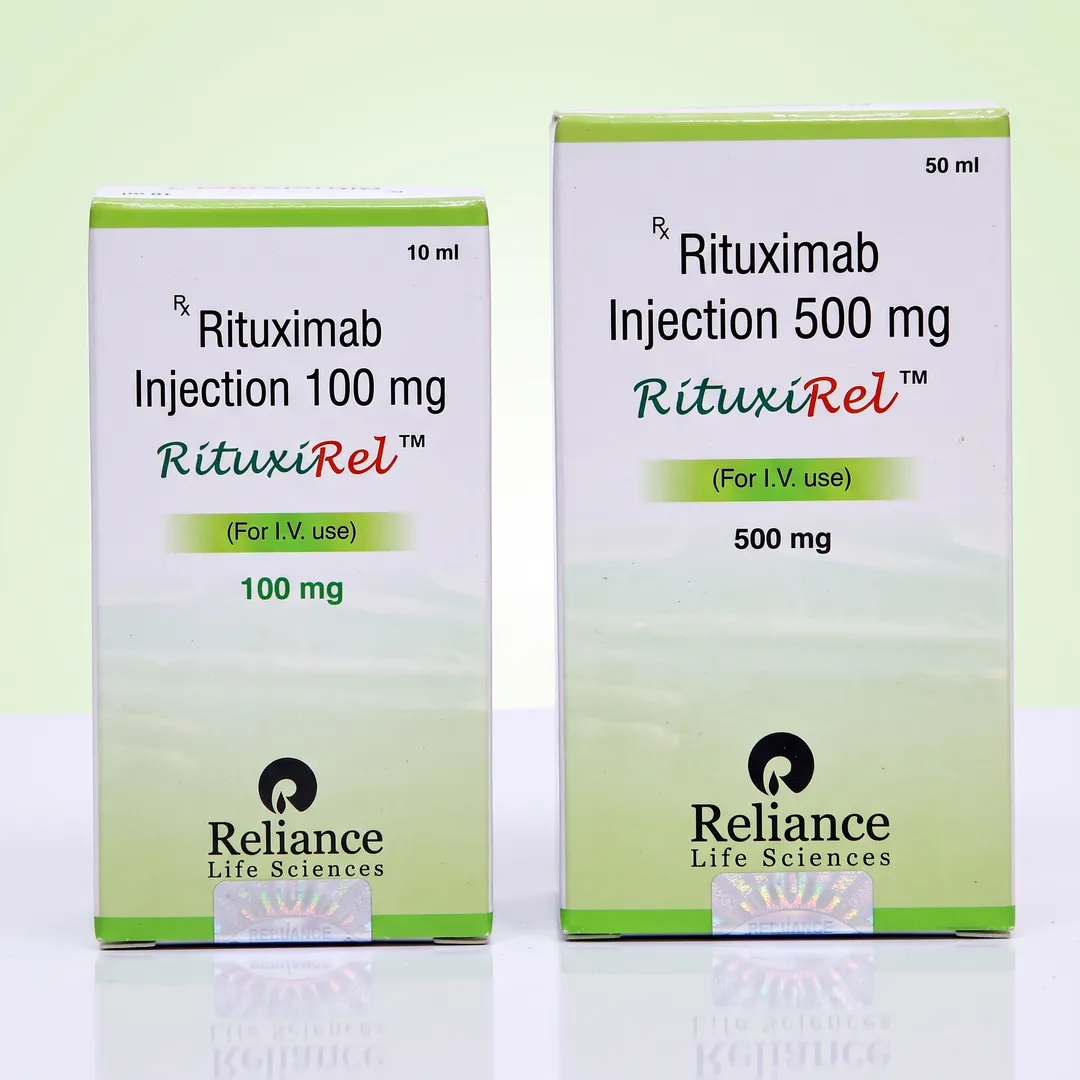
RituxiRel 100 mg/10 mL Injection
RituxiRel 500 mg/50 mL Injection
Both strengths contain rituximab and are administered through intravenous infusion by trained healthcare professionals.
Benefits of RituxiRel Injection
Targeted Therapy
Rituximab targets CD20-positive B lymphocytes, helping reduce abnormal or overactive B-cell activity.
Cancer Treatment
Rituximab is an established component of treatment for selected B-cell lymphomas and leukemia.
Autoimmune Disease Management
It can help control certain autoimmune diseases by reducing disease-associated B-cell activity.
Combination Treatment
Depending on the diagnosis, rituximab may be combined with chemotherapy, corticosteroids, or other medicines.
RituxiRel Dosage
RituxiRel dosage is individualized by the treating physician. There is no universal dose for all patients.
The prescribed regimen may depend on:
Type of disease
Treatment protocol
Body surface area
Previous treatment
Blood counts
Overall health
Response to therapy
For some oncology indications, rituximab is dosed according to body surface area, while autoimmune conditions may use fixed-dose treatment schedules.
Do not self-administer or change the dose. RituxiRel should be given as an intravenous infusion in an appropriate medical facility.
How RituxiRel Is Administered
Healthcare professionals may provide premedication before infusion to reduce infusion-related reactions. Patients are monitored during and after administration.
Possible infusion reactions include:
Fever
Chills
Headache
Rash
Itching
Changes in blood pressure
Breathing difficulty
RituxiRel Side Effects
Common side effects may include:
Infusion-related reactions
Fever and chills
Headache
Fatigue
Nausea
Skin rash
Infections
Reduced blood-cell counts
Serious risks associated with rituximab include severe infusion reactions, serious infections, hepatitis B reactivation, severe skin or mucosal reactions, and rare neurological complications such as progressive multifocal leukoencephalopathy (PML).
Patients should seek urgent medical attention for severe breathing difficulty, facial swelling, severe rash, persistent fever, or unusual neurological symptoms.
Important Safety Information
Before receiving RituxiRel, patients should inform their healthcare provider about:
Previous reactions to rituximab
Current or recent infections
Hepatitis B history
Other medicines being taken
Vaccinations
Heart or lung problems
Previous cancer treatments
Doctors may perform blood tests and hepatitis B screening before treatment.
Because rituximab affects the immune system, patients may have an increased risk of infections.
Storage
RituxiRel is a biological medicine that generally requires refrigerated storage. Follow the manufacturer's product information for storage and handling requirements and maintain the recommended cold chain.
FAQs About RituxiRel Injection
What is RituxiRel Injection used for?
RituxiRel contains rituximab and may be used for selected blood cancers and autoimmune conditions, including certain lymphomas, CLL, rheumatoid arthritis, GPA, MPA, and pemphigus vulgaris.
What is the difference between RituxiRel 100 mg and 500 mg?
The difference is the amount of rituximab contained in each vial. The doctor selects the required strength or combination of vials according to the prescribed treatment dose.
Is RituxiRel chemotherapy?
Rituximab is a monoclonal antibody and targeted biological therapy, rather than traditional cytotoxic chemotherapy. It may nevertheless be used together with chemotherapy in certain cancer regimens.
Can RituxiRel be self-injected?
No. RituxiRel is administered by intravenous infusion under qualified medical supervision.
How often is RituxiRel given?
The treatment schedule depends on the disease and the prescribed regimen. Patients should follow the schedule established by their specialist.
Can RituxiRel cause infections?
Yes. Rituximab can affect immune function and may increase the risk of infections. Any signs of infection should be reported promptly to a healthcare professional.
Is RituxiRel suitable for every patient?
No. A physician must evaluate the patient's diagnosis, medical history, infection risk, laboratory results, and other medicines before prescribing rituximab.