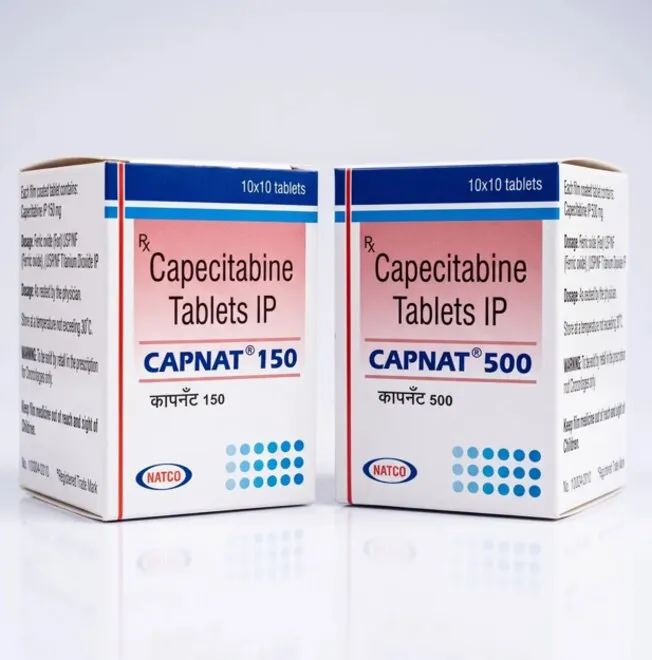
A batch number alone cannot show where a capecitabine pack went, whether the shipment matches its release documents, or which Dubai customer received it. By following the pack, case, shipment and transaction records together, you can reconcile 150 mg and 500 mg stock, quarantine discrepancies, and produce a batch-specific recall trail.
Key takeaways
- Link each batch to supplier, shipment, customer and delivery records.
- Reconcile strength, batch number, expiry date and quantity on every pack.
- Quarantine mixed batches until physical packs match release documents.
- Record custody transfers from Indian supplier receipt through Dubai delivery.
What a complete batch traceability record must link
A complete capecitabine batch traceability record connects the manufacturer’s product identity to every movement, from Indian supplier receipt to delivery in Dubai. A product name and total quantity are not enough: without batch-level links, you cannot identify every customer who received an affected lot during a recall.
Record these fields together for each receipt, transfer and dispatch:
- Product identifier, including GTIN where used, plus capecitabine strength: 150 mg or 500 mg
- Batch number and lot number exactly as printed on the saleable pack
- Unique serial number and expiry date where applicable, including the four data elements used in Tatmeen records
- Manufacturer name and site, manufacturing date, supplier, purchase order and invoice
- Quantity received or dispatched, transaction date, storage location and transport reference
- Customer or recipient name and address for every shipment
- Case, pallet or shipper identifier, such as an SSCC, linked to the individual packs inside it
- Batch-specific certificate of analysis and release evidence matching the product, strength, batch, dates and test results
A Dubai pharmaceutical distributor must scan or transcribe pack data into its transaction and regulatory records; a readable GS1 DataMatrix alone does not prove authenticity or UAE regulatory status. If a case is opened, record the redistribution or re-aggregate it, because the original parent-child link no longer proves which packs remain inside.
Keep capecitabine in original labelled packaging. Repacking, split blisters or replacement labels can sever the audit trail.
How to read and reconcile a 150 mg or 500 mg pack
Read the printed text before trusting the scan. On a capecitabine 150 mg or capecitabine 500 mg saleable pack, inspect the outer carton and each inner blister or bottle.
The batch number on medicine carton is usually printed beside “LOT” or “BATCH”; “EXP” gives the expiry date, while a separate serialisation code identifies that individual pack.
A GS1 DataMatrix on the carton or inner pack can carry the GTIN, serial number, batch or lot and expiry date. Keep the expiry date versus serial number distinction clear: expiry applies to the lot, while the serial identifies one saleable unit.
A successful scan does not prove authenticity or UAE regulatory status; check its values against Tatmeen and your transaction records.
1. Scan or manually record the product identifier, strength, batch, expiry and serial from each saleable pack. Confirm that the artwork, manufacturer, pack configuration and language match the exact UAE-approved presentation.
2. Compare those fields with the shipper or carton label, then match both against the packing list, purchase order and commercial invoice. Check quantity and serial ranges as well as the batch and expiry.
3. Quarantine the affected units if carton and inner-pack details disagree, a seal is damaged, or a code will not scan. Do not overwrite the receiving record or “correct” a label manually; photograph both levels, record the discrepancy, notify quality personnel and obtain documented resolution before release.
How to receive, quarantine and store mixed capecitabine batches
Receive capecitabine by batch, not as one total for the 150 mg or 500 mg SKU. A pharmaceutical receiving checklist must record each lot, quantity, expiry, supplier, shipment condition and recipient order before stock becomes available.
1. Match the individual pack, shipper label, packing list and commercial invoice. Confirm product, strength, batch number, expiry, quantity and serial range. A partial delivery gets its own goods-receipt line; do not enter the outstanding quantity as received.
2. Keep a mixed batch in separate physical locations or labelled bin sections. Photograph carton and blister labels, record the count by batch, and have the receiver sign the record. Differences in carton and inner-pack details require quarantine, not a handwritten correction.
3. Quarantine cartons with broken seals, crushing, water marks, missing labels or suspected tampering. Record the damage, photographs, affected batch and quantity, then obtain quality disposition before opening, relabelling or releasing anything.
4. Treat every return as quarantined stock. Release it only after checking identity, tamper status, storage history, expiry, serial or batch status and chain of custody; an undamaged outer carton proves none of these.
5. Review the temperature logger when transit includes customs or port delay. A temperature excursion requires quarantine and product-specific stability assessment; intact-looking packs do not justify release. Follow the approved label, such as storage not above 30°C for Xeloda, rather than assuming refrigeration.
Store released lots under the approved label conditions and operate FEFO inventory. Link every receipt, adjustment, quarantine decision and customer shipment to its batch and serial data where applicable; product name and total quantity alone cannot support a reliable recall.
Which shipment and release documents must match the physical packs
A batch-specific capecitabine certificate of analysis must identify the exact product, 150 mg or 500 mg strength, batch number, manufacturing date, expiry date, manufacturer and test results. A company-wide COA or certificate for another lot is not release evidence. Ask Cordium Pharmaceuticals Pvt Ltd, or the exporter, for the signed original or verifiable controlled copy.
Check these fields before accepting the consignment:
- Product name, dosage form and strength
- Batch or lot number and expiry date
- Manufacturing site, manufacturer and marketing-authorisation or registration holder
- Quantity on the invoice and packing list
- UAE-approved presentation, language and artwork
| Document | Match against the physical packs | Hold the batch when |
|---|---|---|
| Certificate of analysis | Product, strength, batch, dates, manufacturer and results | Any identifier differs or results are missing |
| Batch release documentation | Batch number, manufacturing site and authorised release decision | Release status or site cannot be verified |
| Shipping records | Invoice, packing list, purchase order, quantities and batch split | Cartons, quantities or lots do not reconcile |
| UAE supply-chain file | Certificate of pharmaceutical product, registration or approval, licence and GMP evidence | The document set does not cover the UAE import route |
| Transport record | Consignment, route and temperature history | A logger records an excursion pending quality review |
For an India to UAE pharmaceutical export, retain the commercial invoice, packing list, transport record and any required free-sale document alongside the certificate of pharmaceutical product. A temperature logger records exposure; it does not replace a product-specific stability assessment.
Related products
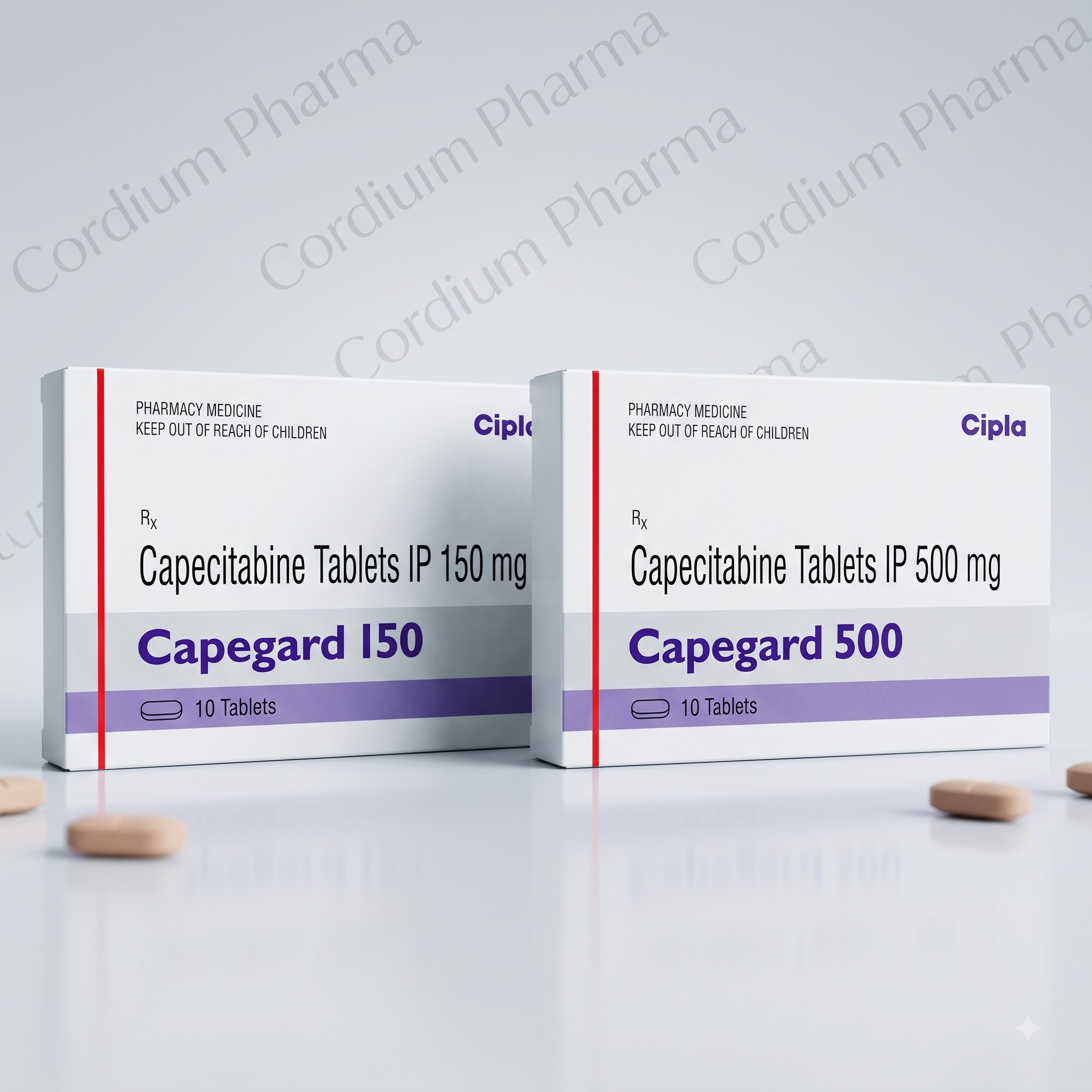 | Oncology Medicine Capegard Tablets – Product Specification, Strength & FAQs in Dubai, UAE Capegard Tablets are oral prescription medicine containing capecitabine, an anticancer medicine used as part of treatment plans for certain cancers. |
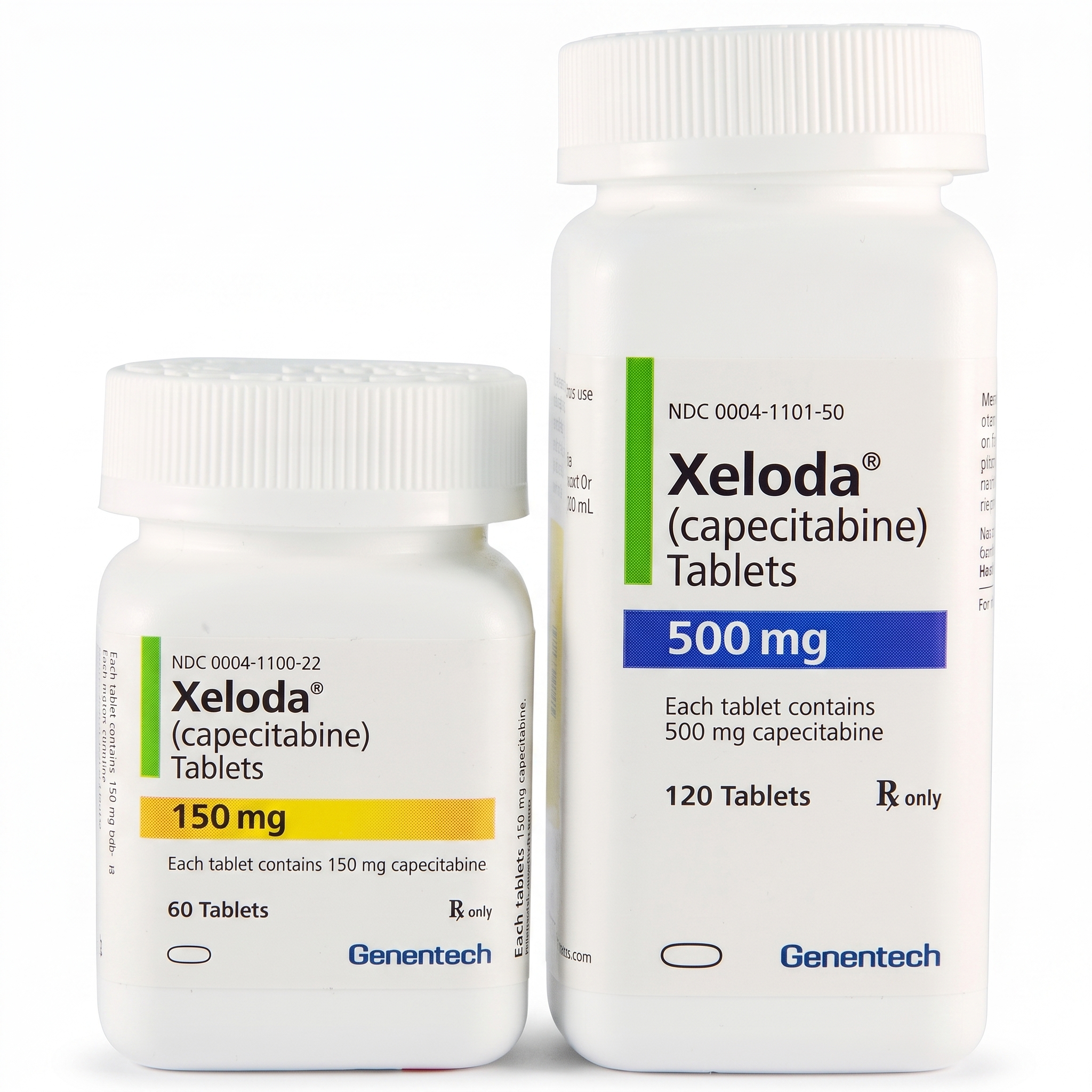 | Oncology Medicine Xeloda Tablets – Capecitabine Tablets for Cancer Treatment Xeloda Tablets contain capecitabine, an oral anticancer medicine used under specialist medical supervision for the treatment of certain types of... View product → |
How to maintain a chain of custody from Indian supplier to Dubai customer
A recall works only when each quantity movement points to a named batch and recipient. Your pharmaceutical chain of custody must run from the Indian supplier’s dispatch record to the Dubai customer’s signed delivery, not stop at the distributor’s goods-receipt note.
1. Create the inbound record against the purchase order, invoice and packing list. Capture supplier, manufacturer, product, strength, batch or lot number, manufacturing date, expiry date, received quantity, receipt date, transport reference and the employee accepting the shipment.
2. Scan and store the four Tatmeen product-identity fields from each saleable pack: product identifier, unique serial number, batch or lot number and expiry date. A GS1 DataMatrix can provide these values; reconcile them with the shipment and Tatmeen records rather than treating a successful scan as proof of authenticity.
3. Record every stock event as a transaction: receipt, quarantine, release, picking, partial issue, adjustment, return, destruction and dispatch. Enter the old quantity, new quantity, date, reason, operator and destination. Link each serial movement or batch quantity to its source and resulting document.
4. Record SSCC case aggregation for each case or pallet, linking the logistics unit to its contained packs. If you open a case, record the split and re-aggregate it before relying on the parent-child link.
5. For each Dubai customer delivery, retain the customer name and address, delivery date, invoice, dispatch quantity, batch, serials where applicable, carrier and recipient signature. Quarantine returns until identity, tamper status and custody are assessed. Run a batch query that lists the remaining stock and every customer shipment.
Frequently asked questions
What must a complete capecitabine batch traceability record link?
Link the manufacturer, product name, strength, batch number and expiry date to supplier receipt, warehouse movements, customer orders and final deliveries.
How do you reconcile 150 mg and 500 mg capecitabine packs?
Match the strength, pack size, batch number, expiry date, manufacturing details and quantities on the physical packs against invoices and inventory records.
How should mixed capecitabine batches be received and stored?
Receive each batch separately, quarantine discrepancies, record quantities by strength and batch, and store packs according to the product label and approved conditions.
Which shipment and release documents must match the physical packs?
Compare the packs with the commercial invoice, packing list, certificate of analysis, certificate of pharmaceutical product when supplied, purchase order and transport records.
How can distributors maintain chain of custody from India to Dubai?
Document each handover, including supplier release, freight collection, customs clearance, warehouse receipt, customer dispatch and delivery confirmation, using batch-level quantities.
Related products
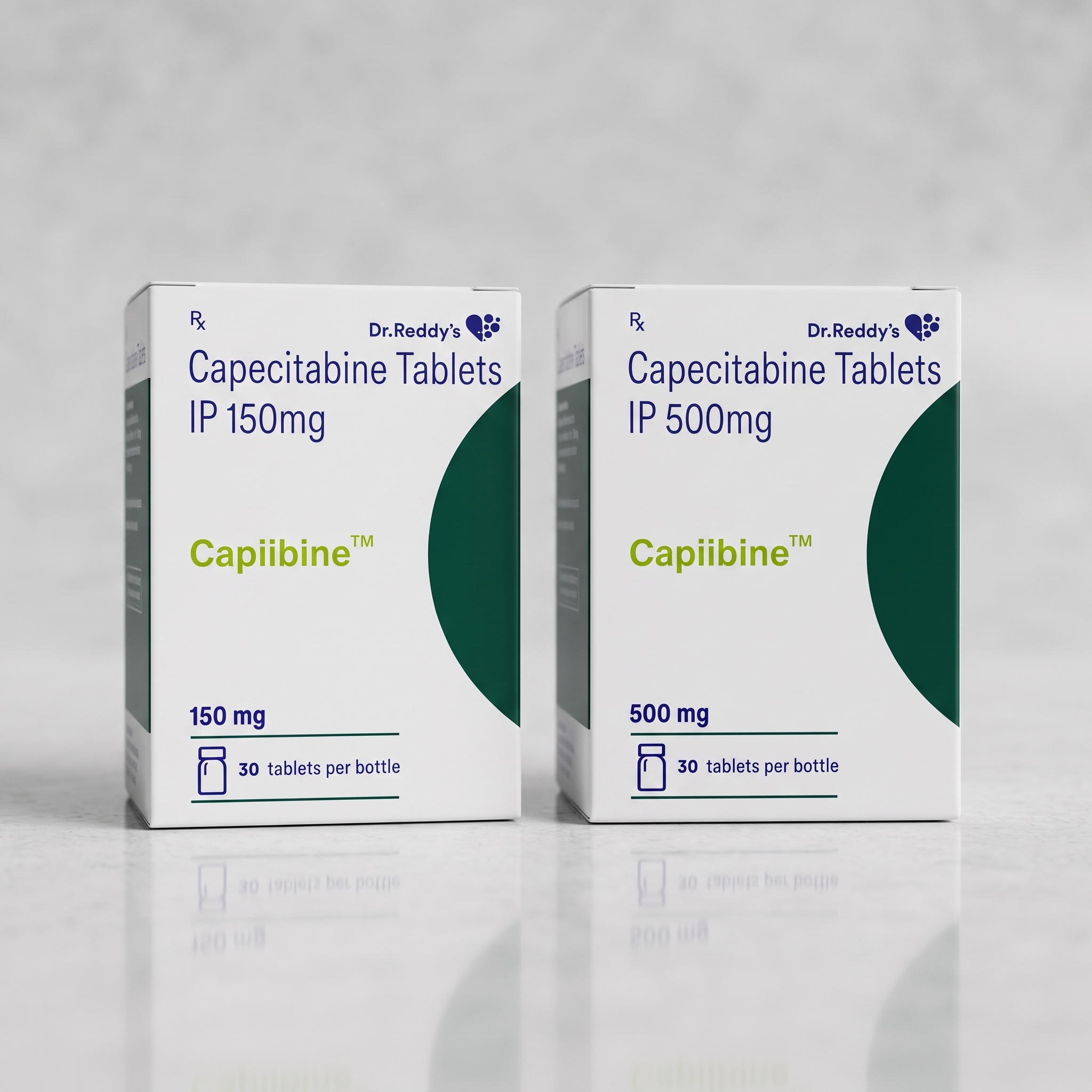 | Oncology Medicine Capiibine Tablets – Capecitabine Tablets for Cancer Treatment in the UK Capiibine Tablets contain capecitabine, an oral anticancer medicine used under specialist medical supervision. View product → |
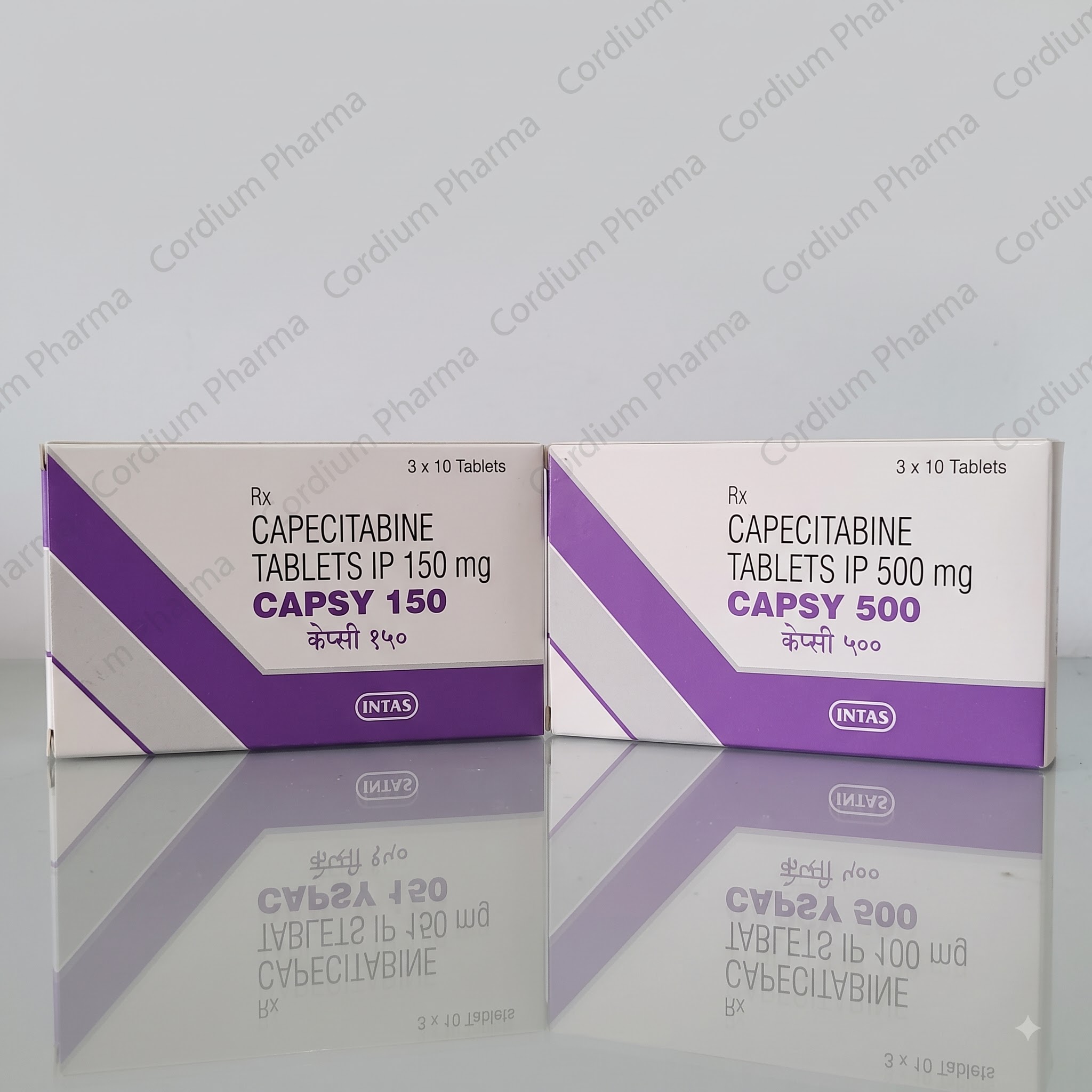 | Oncology Medicine Capsy Tablets: Uses, Benefits, Side Effects, Strengths and FAQs Capsy Tablets contain capecitabine, an oral anticancer medicine prescribed for the treatment of certain types of cancer. View product → |
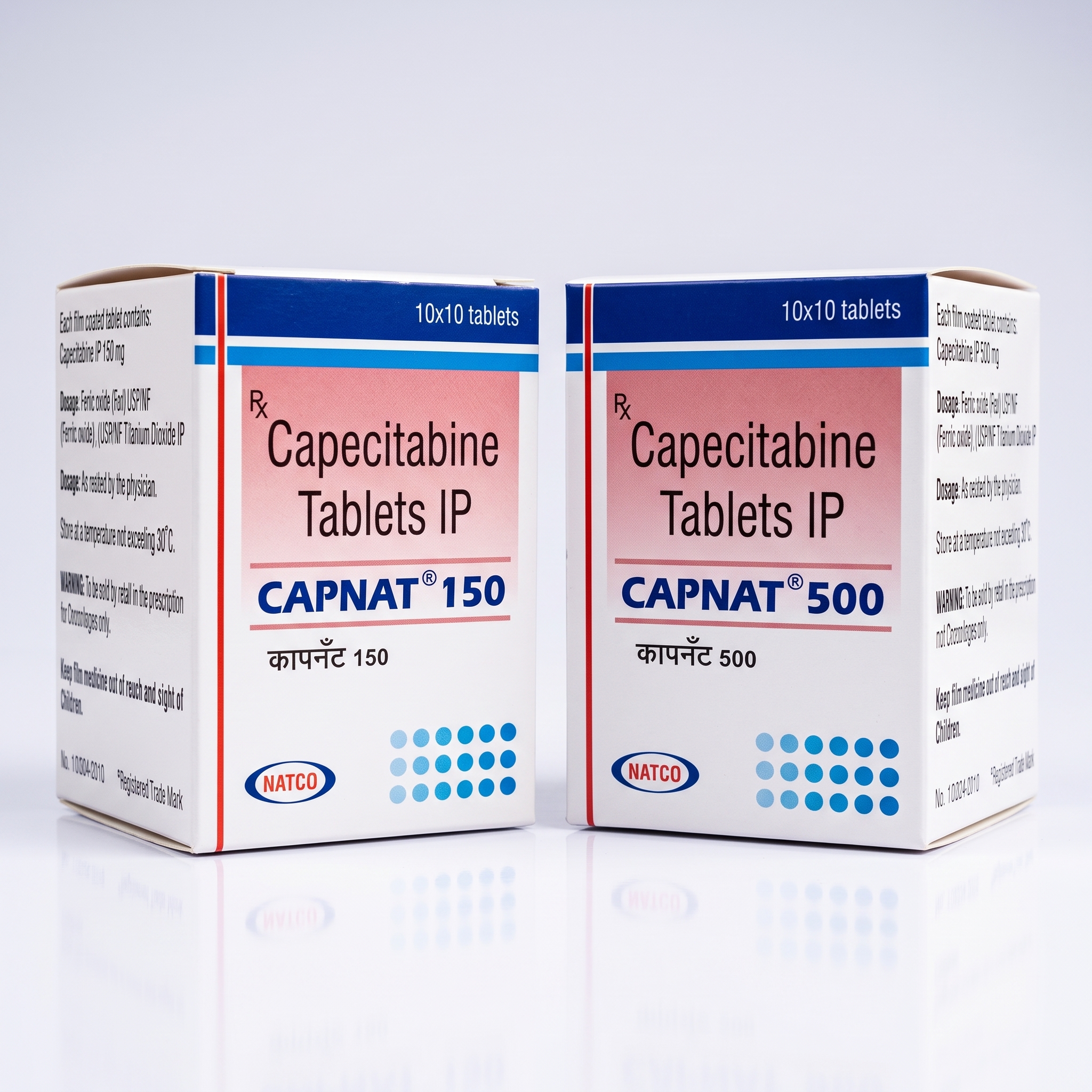 | Oncology Medicine Capnat Tablets – Capecitabine Tablets for Cancer Treatment Capnat Tablets contain capecitabine, an oral anticancer medicine belonging to the antimetabolite class. View product → |