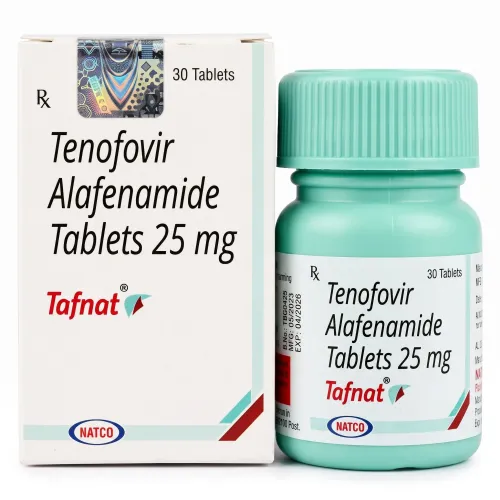
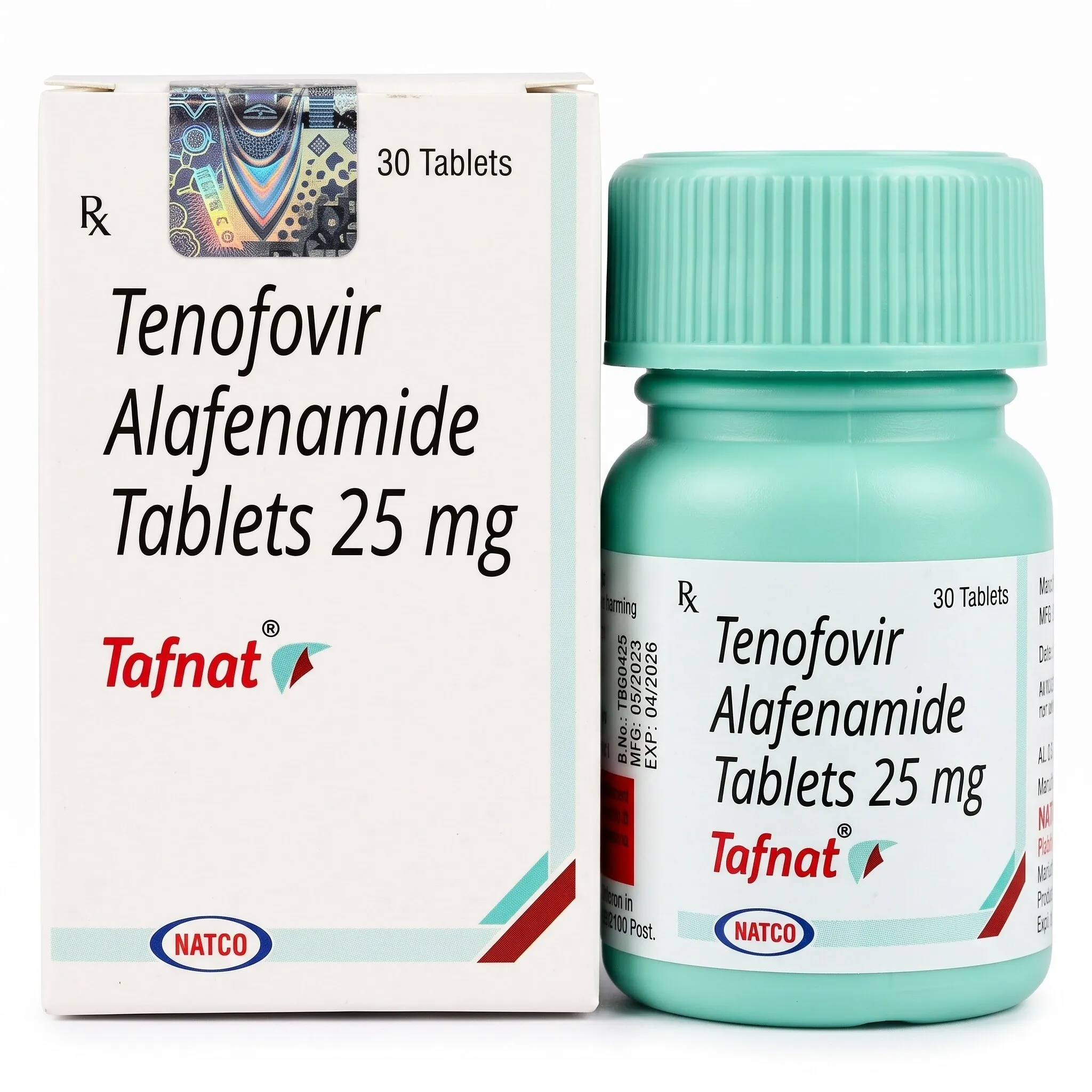
A 25 mg tenofovir alafenamide tablet is not automatically the right medicine for every person with hepatitis, HIV, kidney disease or a need for tenofovir. By checking the diagnosis, formulation, organ function, interactions and destination-market label, you can distinguish an appropriate HBV product from a clinically incomplete or unsuitable purchase.
Key takeaways
- Confirm HBV versus HIV treatment before treating TAF 25mg as interchangeable.
- Do not use routine dosing when renal or hepatic findings require specialist review.
- Compare TAF with TDF using kidney, bone, efficacy, and interaction considerations.
- Verify the licence, batch, expiry, packaging, and product registration before ordering.
Is the buyer seeking HBV treatment or HIV treatment?
A tenofovir alafenamide 25 mg tablet is not automatically an HIV treatment. The standalone product is intended for chronic hepatitis B in eligible patients, not as a complete regimen for HIV-1. Confirm the diagnosis and indication before treating the strength as a substitute for a different product.
HIV testing is required before starting standalone TAF for HBV. If the patient has HIV-1, TAF alone omits other antiretroviral agents and can permit treatment failure and resistance; in HIV-1/HBV coinfection, monotherapy also leaves HBV inadequately managed. Stopping TAF can trigger a hepatitis flare, particularly in advanced liver disease.
The TAFERO EM comparison with a standalone product such as Tafnat must cover formulation, ingredients and prescribing instructions, not just “25 mg” on the carton. An HIV regimen commonly supplies TAF inside a fixed-dose combination with other antiretroviral medicines, whereas a standalone HBV tablet does not replace those agents.
Check the approved indication, active moiety, food instructions and registration in the target country before substitution. A product marketed as “tenofovir 25 mg” could contain tenofovir disoproxil fumarate rather than tenofovir alafenamide, so the similar number does not prove interchangeability.
What kidney and liver findings can rule out routine use?
An estimated creatinine clearance (eCrCl) below 15 mL/min rules out routine TAF 25 mg HBV use when the patient is not receiving chronic hemodialysis. A normal serum creatinine alone does not establish eligibility; reduced muscle mass can conceal impaired filtration.
Before selection, obtain and document:
- serum creatinine and estimated creatinine clearance
- urine glucose and urine protein
- serum phosphorus when chronic kidney disease is present
Repeat renal monitoring during treatment when kidney disease, nephrotoxic medicines, or a prior tenofovir-related problem raises concern. Acute renal failure, proximal renal tubulopathy and Fanconi syndrome remain possible.
| Finding | Decision | Why it matters |
|---|---|---|
| eCrCl below 15 mL/min, no chronic hemodialysis | Do not use routinely | The HBV tablet is not recommended in this setting |
| Decompensated hepatic impairment | Do not select routinely | Safety and efficacy have not been established |
| Cirrhosis or advanced liver disease | Obtain specialist review before starting or stopping | Withdrawal can trigger a serious hepatitis B flare |
Cirrhosis does not automatically exclude treatment, but it raises the cost of an incorrect stop. If TAF is discontinued, arrange clinical and laboratory monitoring for at least several months, with closer oversight in advanced liver disease.
Confirm the hepatic status from current examination, bilirubin, albumin, INR, platelet count and clinical evidence such as ascites, encephalopathy or variceal bleeding rather than from a diagnosis label alone.
How does TAF compare with TDF for the patient in front of you?
TAF is often preferable to tenofovir disoproxil fumarate (TDF) for a patient with reduced renal reserve, osteoporosis risk, or a previous pathologic fracture because trials show less circulating tenofovir exposure and less average bone mineral density loss. It is not bone-neutral, and it does not remove the need for renal safety monitoring.
| Option | Main advantage | Trade-off or question |
|---|---|---|
| TAF | Lower renal and bone-toxicity burden than TDF in clinical studies | Can increase lipids, including LDL cholesterol and triglycerides; assess cardiovascular risk |
| TDF | May have a more favourable lipid effect and extensive clinical experience | Greater concern about renal tubular toxicity and bone mineral density loss |
| Either | Can treat chronic HBV when the exact product and indication fit | Neither option is automatically suitable without patient-specific monitoring |
The choice becomes less straightforward when dyslipidemia is poorly controlled. A patient taking TAF may show increases in total cholesterol, LDL cholesterol, HDL cholesterol, and triglycerides, so review the lipid profile rather than treating TAF and TDF as interchangeable.
TAF still carries renal risk, including proximal renal tubulopathy and Fanconi syndrome. Check serum creatinine, estimated creatinine clearance, urine glucose and urine protein; add serum phosphorus for chronic kidney disease. Consider bone-density assessment when osteoporosis risk or prior fracture is present.
Which co-infections, medicines and patient groups need specialist review?
An HIV test is essential before standalone TAF 25 mg treatment. In HIV/HBV coinfection, TAF alone is not a complete HIV regimen; omitting the required antiretrovirals can cause HIV treatment failure and antiviral resistance. Prior nucleos(t)ide exposure, incomplete treatment history, or suspected resistance also requires specialist regimen selection.
| Situation | Why suitability changes | Specialist review |
|---|---|---|
| Hepatitis D, hepatitis C, or cirrhosis | Coinfection can alter monitoring, treatment priorities and the risk from a hepatitis flare after stopping TAF | Confirm the treatment plan and follow-up tests |
| Rifampicin or rifabutin | These tuberculosis medicines are not recommended with Vemlidy because they can lower TAF exposure | Choose an alternative or obtain an infectious-disease review |
| Carbamazepine, phenytoin, phenobarbital or St John’s wort | These P-glycoprotein inducers can reduce TAF exposure and compromise antiviral activity | Check every medicine, supplement and dose before dispensing |
| Pregnancy or breastfeeding | The prescriber must weigh maternal benefit, fetal or infant considerations and available safety data | Use an obstetric or specialist infectious-disease review |
| Children or older adults | Children need the authorised age and weight criteria; older adults need medication, renal and adherence checks | Confirm age, weight, kidney function and the complete regimen |
Take TAF with food according to the product instructions. Do not stop it abruptly: chronic HBV can rebound with a clinically significant hepatitis flare, so monitor liver tests and symptoms for several months, especially with cirrhosis or advanced liver disease.
What should a buyer verify before ordering or substituting the product?
A 25 mg strength does not establish interchangeability. Confirm the active moiety, dosage form, indication, combination ingredients, food instructions, product label, approved age and weight threshold, and the country registration before approving a substitution.
1. Match the clinical use. A standalone TAF 25 mg tablet requires confirmation of chronic HBV treatment and HIV testing before use. It must not replace an HIV combination regimen, because removing required antiretroviral agents can cause treatment failure and resistance. Check the label before use in decompensated liver disease.
2. Compare the actual products, not their strength:
| Product | Verify | Substitution risk |
|---|---|---|
| Tafnat | Standalone TAF 25 mg, HBV indication, dosing and food instructions | Not a replacement for an HIV combination |
| TAFERO EM | Active ingredients, HIV indication, age or weight limits and dosing instructions | Missing combination ingredients can create an ineffective regimen |
3. Check the regulatory file for the target market: country registration, prescription status, approved indication, approved age and weight threshold, packaging language, and import requirements. A product legal in India is not automatically authorised for another country.
4. Request batch documentation before release, including the certificate of analysis, batch number, expiry date, manufacturing details and storage conditions. Confirm that the supplier can maintain traceability through delivery.
Cordium Pharmaceuticals Pvt Ltd can support supply coordination, but the healthcare buyer must approve the product against its own clinical protocol, registration pathway and import documentation.
Related products
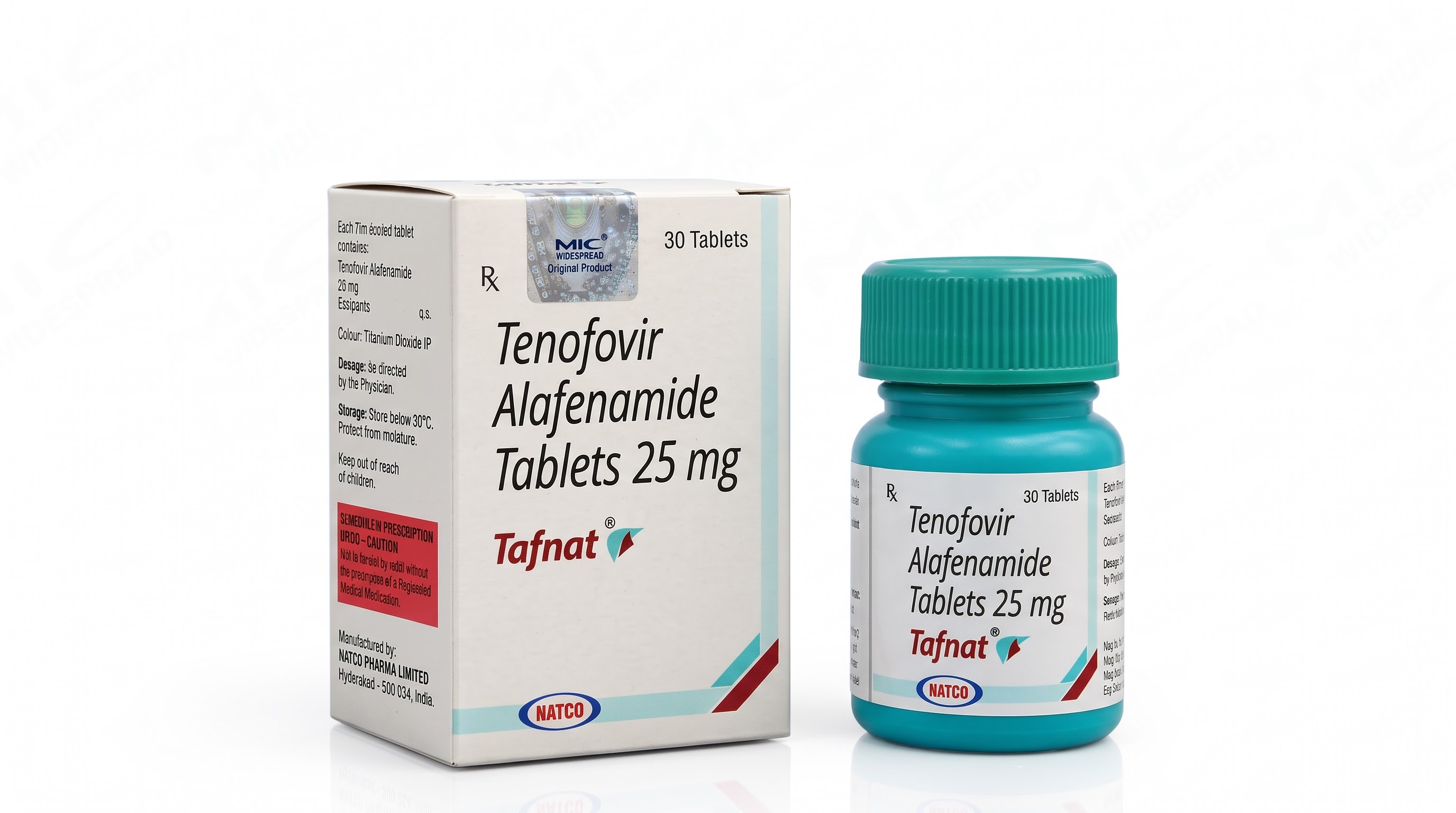 | Hepatitis Tafnat Tablets 25mg – Description, Uses and FAQs Tafnat Tablets 25mg contain Tenofovir Alafenamide (TAF), an antiviral medicine used primarily for the treatment of chronic hepatitis B virus (HBV)... |
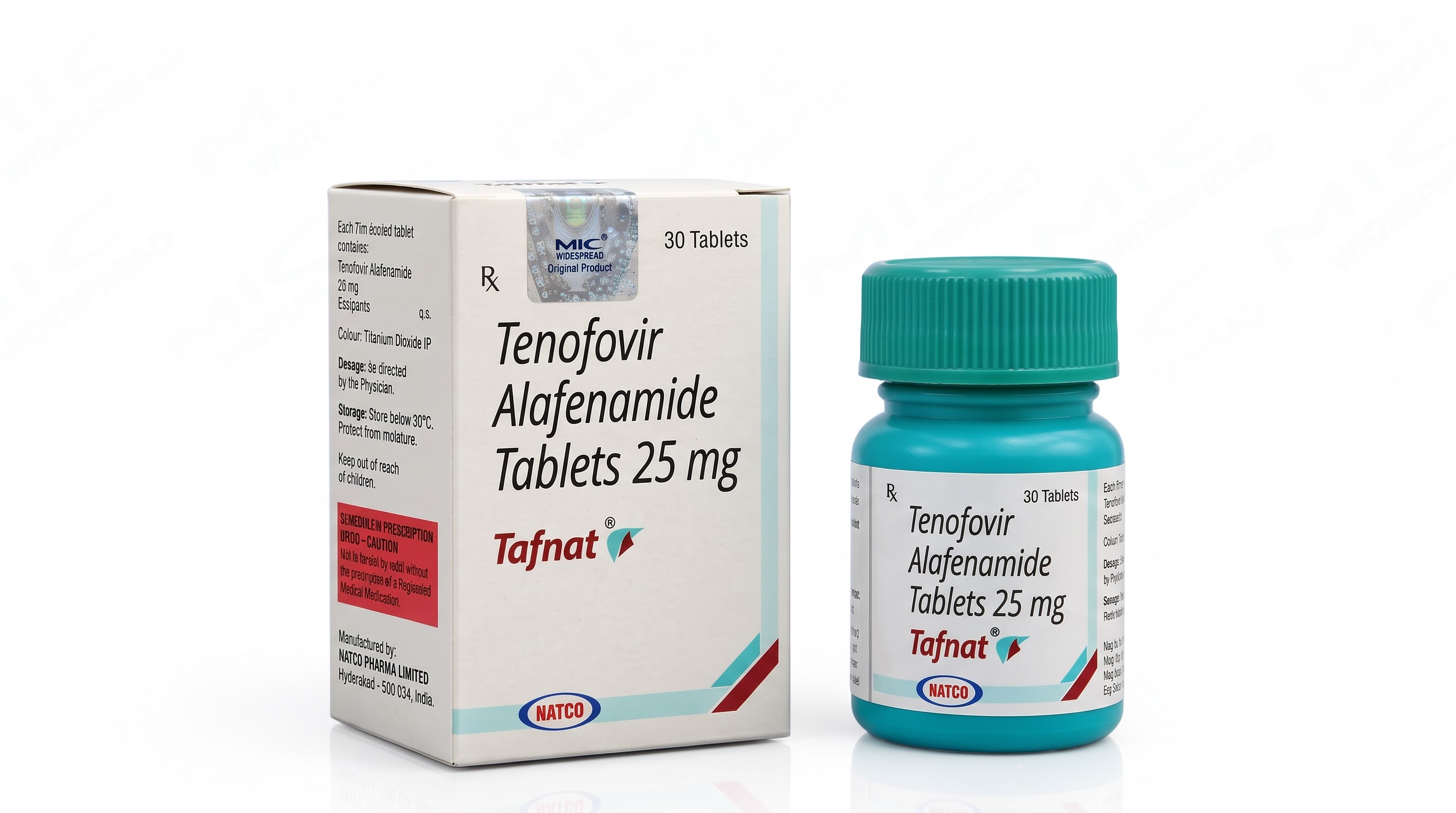 | Hepatitis Tafnat Tablets – Tenofovir Alafenamide 25 mg Tafnat Tablets contain Tenofovir Alafenamide 25 mg, an antiviral medicine used primarily for the management of chronic hepatitis B virus (HBV)... View product → |
Frequently asked questions
Is a 25mg tenofovir alafenamide tablet suitable for HIV treatment?
Not as a complete HIV-1 regimen. Confirm whether the product is indicated for chronic hepatitis B or supplied as part of an approved HIV regimen.
Which kidney and liver findings can prevent routine TAF use?
Review estimated creatinine clearance and hepatic status before use. Severe renal impairment, decompensated liver disease, or a product-specific contraindication requires specialist assessment.
How does TAF compare with TDF?
TAF generally delivers tenofovir with lower plasma exposure, which can reduce kidney and bone effects, while TDF remains appropriate for some patients and indications. Compare the licensed product and patient factors rather than substituting by strength.
Which patients and medicines need specialist review?
Review HIV or HBV co-infection, hepatitis C treatment, pregnancy, paediatric use, liver disease, and medicines such as strong P-glycoprotein inducers or nephrotoxic drugs before ordering or prescribing.
What should a buyer verify before ordering TAF 25mg tablets?
Verify the indication, manufacturer, marketing authorisation, export and import requirements, pack strength, batch number, expiry date, storage conditions, tamper-evident packaging, and certificates or licences required in the destination market.
Related products
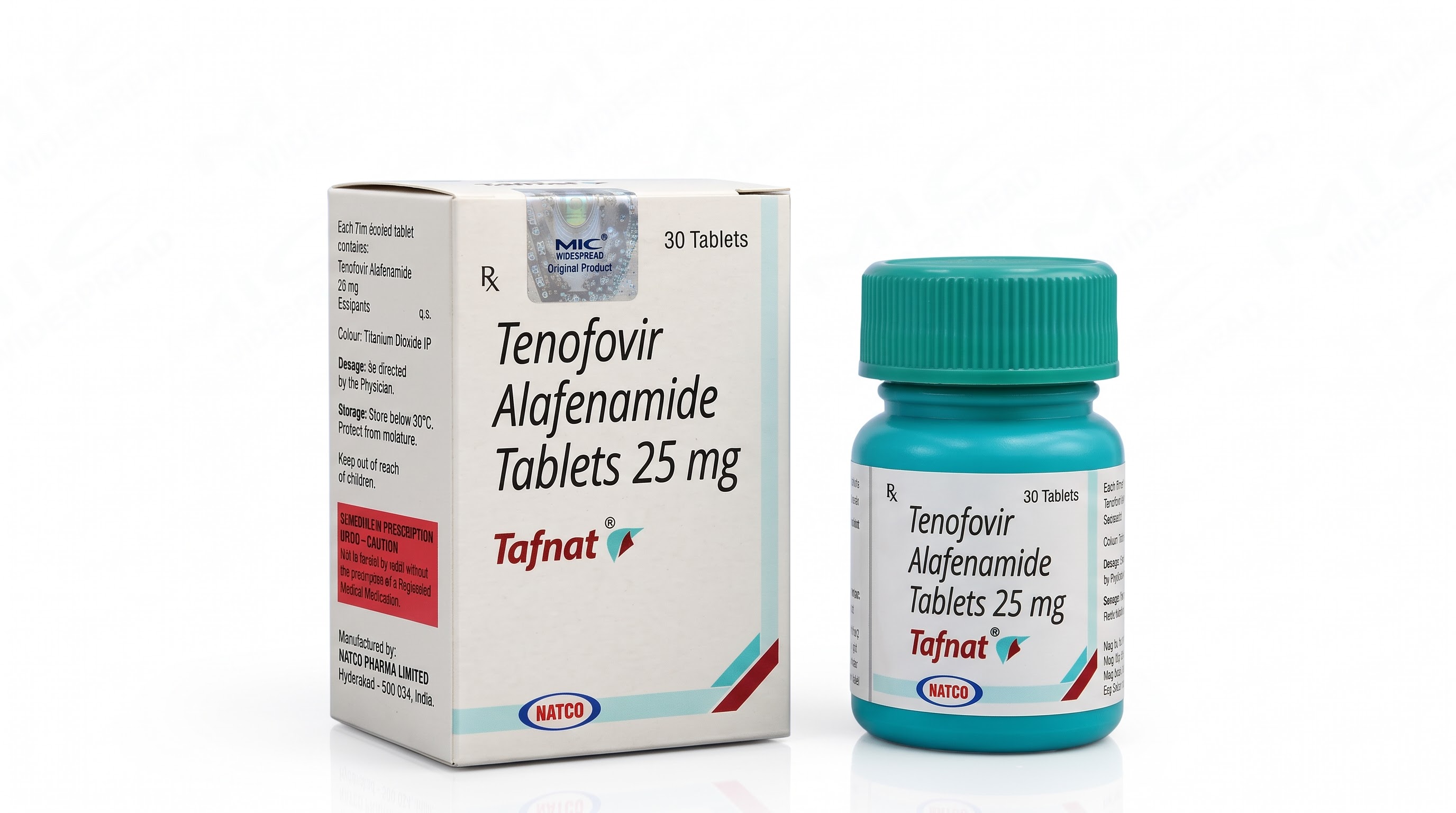 | Hepatitis Tafnat Tablets – Tenofovir Alafenamide 25 mg for Hepatitis B Treatment Tafnat 25mg Tablets contain Tenofovir Alafenamide 25mg, an antiviral medicine used for the management of chronic hepatitis B virus (HBV) infection. |
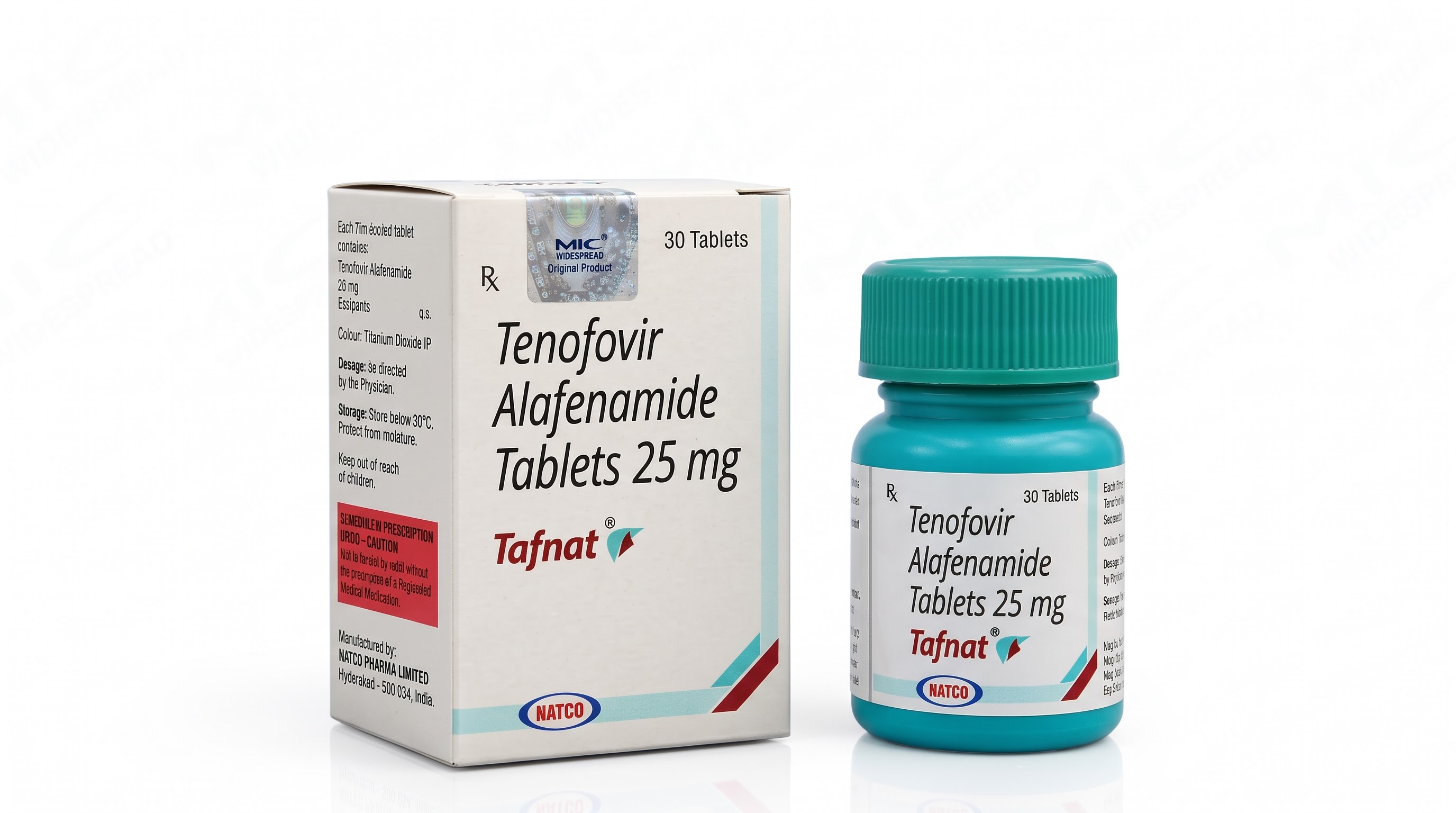 | Hepatitis Tafnat Tablets 25 mg in Singapore: Uses, Benefits, Side Effects & FAQs Tafnat Tablets 25 mg are an antiviral medicine containing Tenofovir Alafenamide (TAF) 25 mg as the active ingredient. |
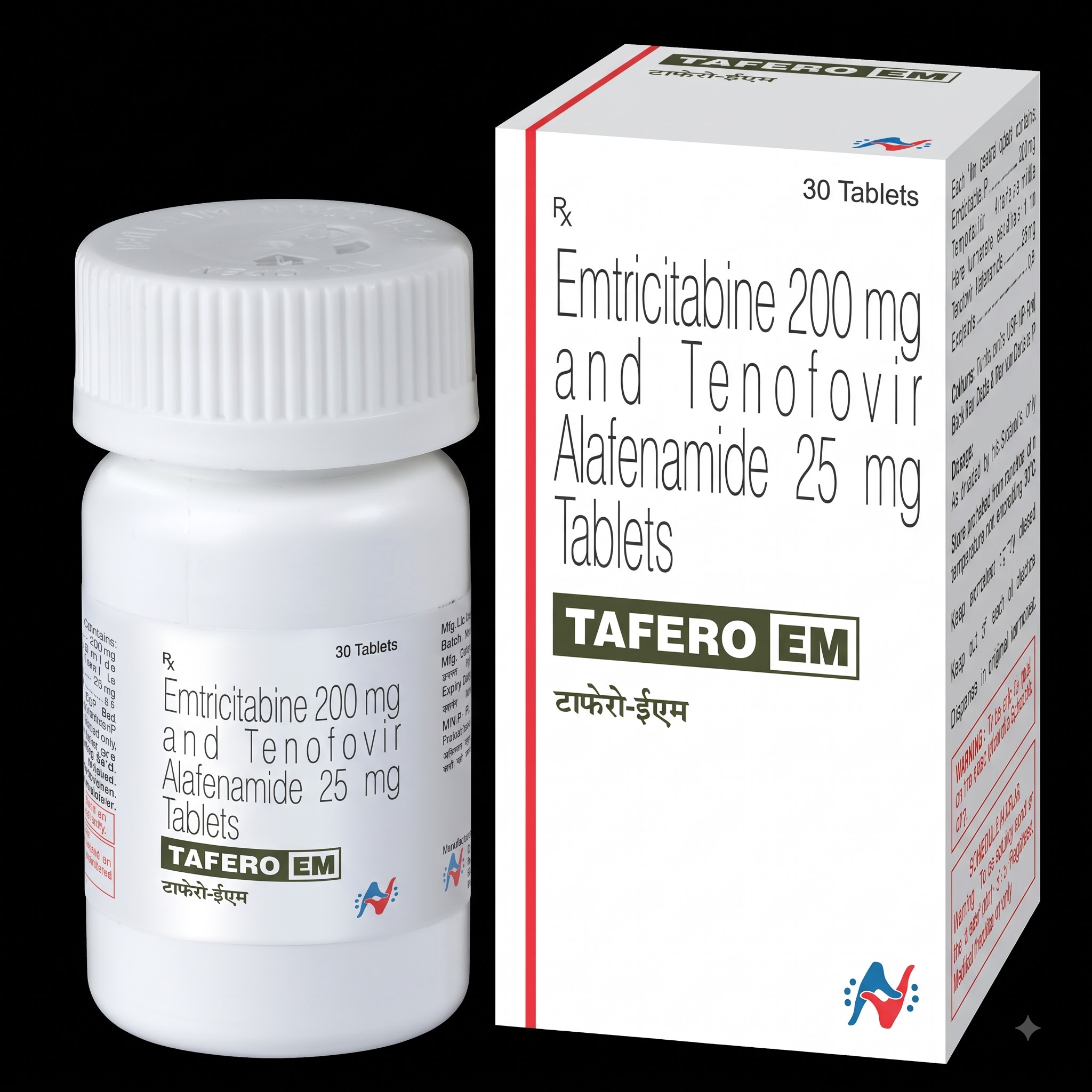 | Anti HIV Medicines TAFERO EM Tablets 200 mg/25 mg – Generic Antiviral Medicine TAFERO EM Tablets contain a fixed-dose combination of Emtricitabine 200 mg and Tenofovir Alafenamide 25 mg (TAF). |
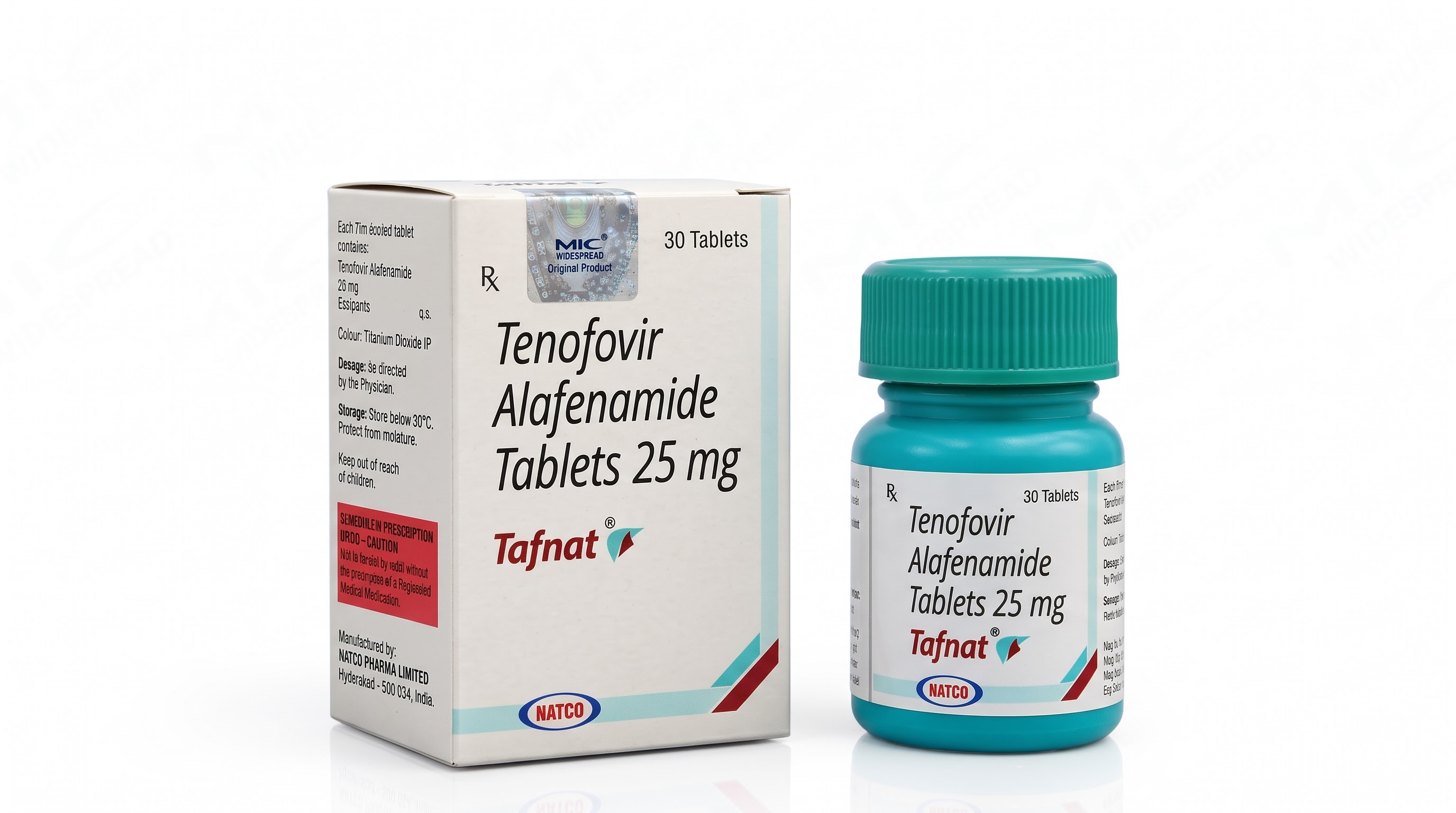 | Hepatitis Tafnat Tablets – Tenofovir Alafenamide 25 mg for Hepatitis B Tafnat Tablets contain Tenofovir Alafenamide 25 mg, an antiviral medicine used for the management of chronic hepatitis B virus (HBV) infection. View product → |