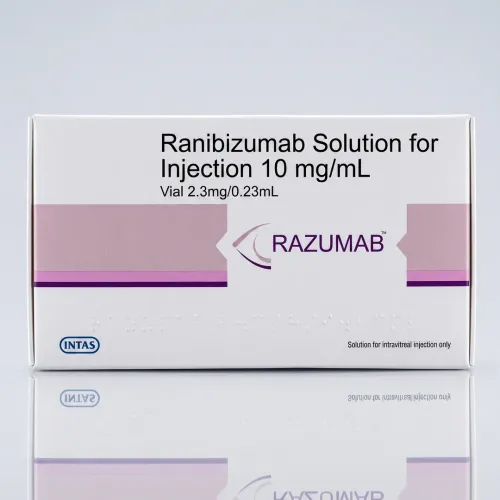
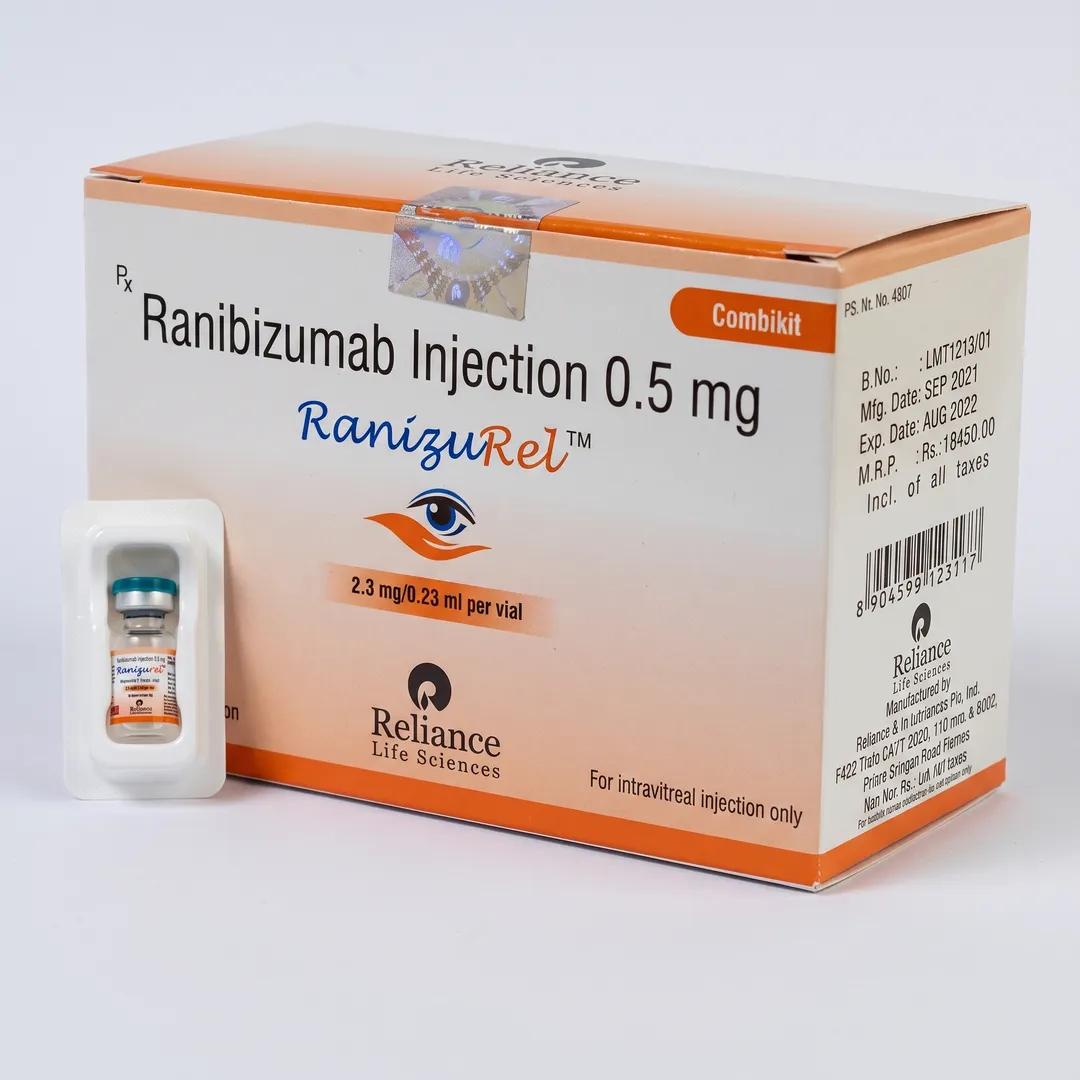
Ranizurel Injection: Uses, Benefits & Side Effects
Description
Ranizurel Injection contains ranibizumab, an anti-vascular endothelial growth factor (anti-VEGF) medicine. It is used to treat selected eye diseases involving abnormal blood vessel growth, fluid leakage or swelling in the retina.
The medicine is administered directly into the eye by a qualified ophthalmologist under sterile clinical conditions. The prescribed strength, dosage schedule and duration of treatment depend on the patient's diagnosis, response to therapy and the approved product information.
For healthcare professionals, pharmacies and pharmaceutical procurement teams, product specifications, packaging, storage conditions and market-specific regulatory documentation should be verified before ordering or distribution.
Uses and Benefits of Ranizurel Injection
Ranizurel Injection may be prescribed for specific retinal conditions, depending on the approved indications for the product and the treating specialist's assessment.
1. Wet Age-Related Macular Degeneration (AMD)
Wet AMD involves abnormal blood vessel growth beneath the retina, which can affect central vision. Ranibizumab works by inhibiting VEGF-A, helping reduce abnormal blood vessel growth and leakage.
2. Diabetic Macular Edema (DME)
Diabetic macular edema occurs when fluid accumulates in the macula due to diabetes-related damage to retinal blood vessels. Anti-VEGF treatment may reduce retinal swelling and help preserve or improve vision in appropriate patients.
3. Macular Edema Following Retinal Vein Occlusion
A retinal vein blockage can cause fluid buildup and swelling in the retina. Ranibizumab treatment may help reduce this swelling and support visual improvement, depending on the severity of the condition.
Key Benefits
Helps preserve vision: Treatment can reduce the risk of vision deterioration associated with certain retinal diseases.
Controls abnormal blood vessel activity: Blocking VEGF helps limit abnormal vessel growth and leakage.
Reduces retinal swelling: In suitable patients, treatment can decrease fluid accumulation in the retina.
Supports ongoing eye care: Regular specialist examinations help assess treatment response and determine whether further injections are required.
Results vary between patients, and treatment does not guarantee complete restoration of lost vision.
Side Effects of Ranizurel Injection
Like other intravitreal medicines, Ranizurel Injection may cause side effects. Commonly reported effects associated with ranibizumab treatment include:
Eye pain or discomfort
Eye redness or irritation
Small spots or floaters in the field of vision
Temporary blurred vision
Increased pressure inside the eye
Eye inflammation or bleeding on the eye's surface
Important safety warning: Severe eye pain, increasing redness, sudden vision changes, flashes of light or a sudden increase in floaters require urgent medical assessment. These symptoms may indicate serious complications, including infection or retinal detachment.
The injection must only be administered by a qualified eye specialist. Patients should not self-administer the medicine and should attend all recommended follow-up appointments.
Frequently Asked Questions (FAQs)
1. What is Ranizurel Injection used for?
Ranizurel Injection contains ranibizumab and may be prescribed for certain retinal conditions, including wet AMD, diabetic macular edema and macular edema following retinal vein occlusion, where approved.
2. How does Ranizurel Injection work?
It blocks VEGF-A, a protein involved in abnormal blood vessel growth and leakage, helping reduce retinal swelling and associated vision problems.
3. How is Ranizurel Injection administered?
An ophthalmologist administers it directly into the eye using a sterile procedure in a suitable clinical setting.
4. What are the common side effects of Ranizurel Injection?
Possible side effects include eye discomfort, redness, floaters, temporary blurred vision and increased eye pressure. Serious or worsening symptoms require prompt medical attention.
5. How often is Ranizurel Injection required?
The treatment schedule depends on the eye condition, product strength and individual response. Only the treating ophthalmologist should determine the frequency of injections.
6. Where can healthcare professionals obtain product information?
Healthcare professionals and authorised pharmaceutical distributors can contact Cordium Pharmaceuticals Pvt Ltd for applicable product specifications, availability and regulatory documentation.
Important Medical Disclaimer
This content is for educational and product-information purposes only and is not a substitute for professional medical advice. Ranizurel Injection is a prescription medicine and should be used only under the supervision of a qualified ophthalmologist. Confirm the current approved indications, composition, strength, storage requirements and prescribing information before use or distribution