Razumab Injection (Ranibizumab): Uses, Benefits, Side Effects & FAQs
Description
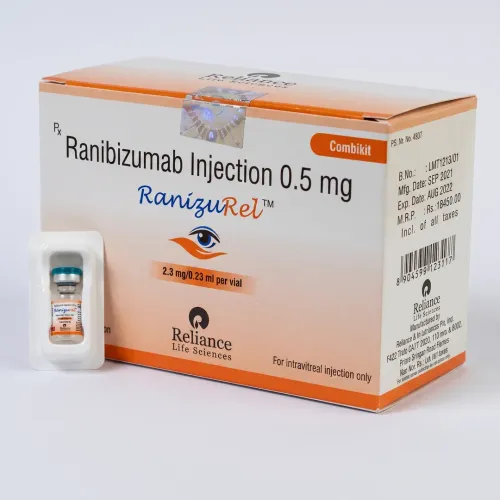
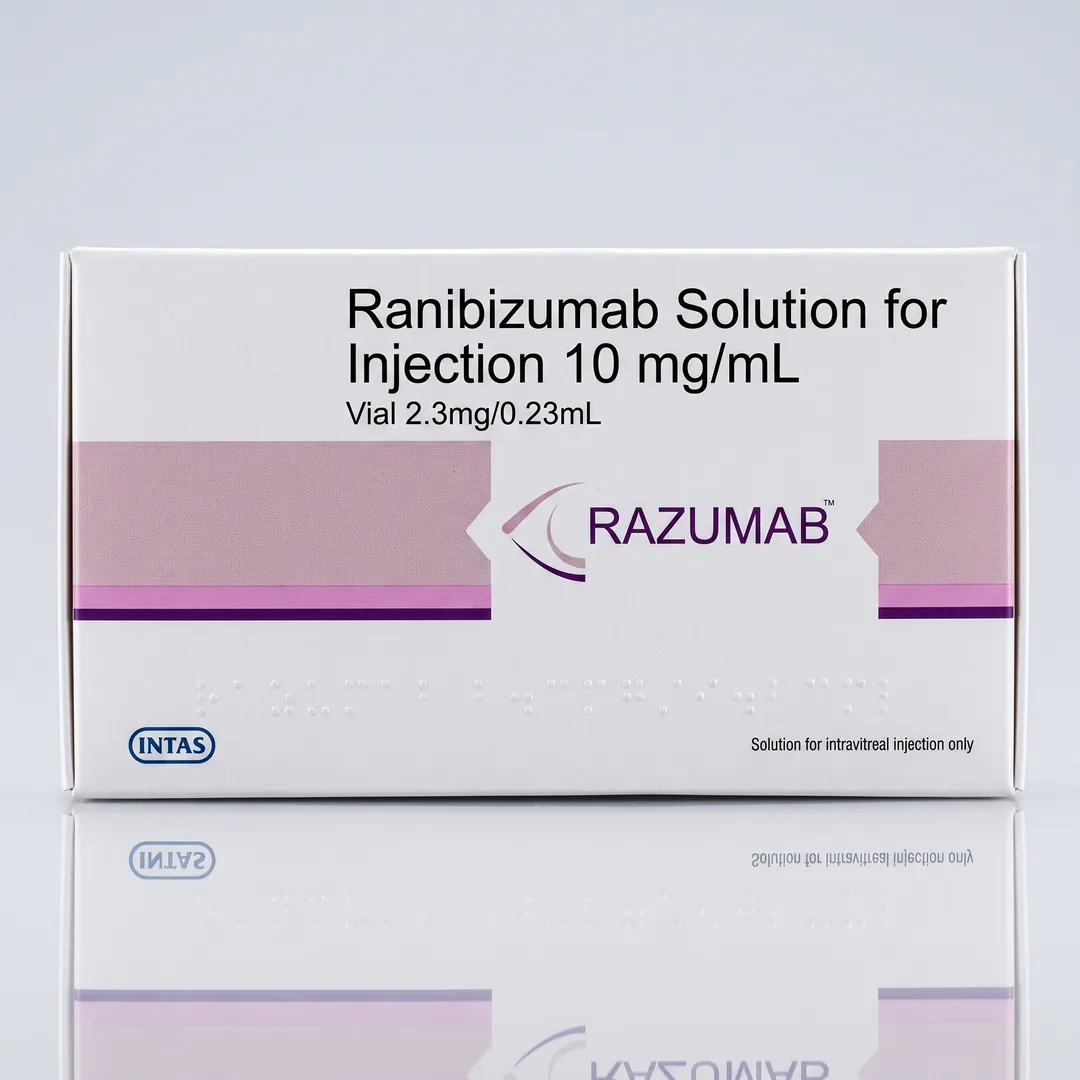
Razumab Injection is an ophthalmic medicine containing ranibizumab, an anti-vascular endothelial growth factor (anti-VEGF) medicine used to treat certain retinal disorders. It is designed for administration inside the eye by a qualified ophthalmologist.
Ranibizumab works by blocking vascular endothelial growth factor A (VEGF-A), a protein involved in the formation of abnormal blood vessels and leakage of fluid in the retina. By inhibiting this activity, treatment can help manage retinal changes that may impair vision.
Razumab Injection Uses and Indications
Depending on the applicable product approval and prescribing information, Razumab Injection may be used for the following conditions:
Wet age-related macular degeneration (AMD): Helps manage abnormal blood vessel growth beneath the retina.
Diabetic macular edema (DME): Helps reduce fluid accumulation in the macula associated with diabetes.
Macular edema following retinal vein occlusion (RVO): Helps manage retinal swelling caused by blocked retinal veins.
Myopic choroidal neovascularization (mCNV): Treats abnormal blood vessel growth associated with pathological myopia.
Treatment suitability depends on the patient's diagnosis, eye examination, and the approved indications in the relevant country.
Potential Benefits of Razumab Injection
When prescribed for an appropriate retinal condition, Razumab Injection may offer several clinical benefits:
Helps protect vision: Treatment may improve or stabilize visual acuity in eligible patients.
Controls abnormal blood vessel growth: Ranibizumab targets VEGF-A, which contributes to abnormal blood vessel formation.
Helps reduce retinal swelling: It can reduce fluid leakage associated with certain retinal diseases.
Supports retinal disease management: Regular ophthalmic assessment helps doctors monitor treatment response and determine the need for further injections.
Individual results vary depending on the underlying eye condition, disease severity, and response to treatment. Razumab is not a guaranteed cure for vision loss.
Razumab Injection Side Effects and Safety Precautions
Like other medicines administered inside the eye, Razumab may cause side effects. Possible effects include:
Eye pain or discomfort
Redness of the eye
Temporary blurred vision
Floaters or moving spots in the field of vision
Increased pressure inside the eye
Eye inflammation or bleeding
Rare but serious complications include eye infection (endophthalmitis), retinal detachment, and severe inflammation. Seek urgent ophthalmic care for sudden vision changes, worsening eye pain, increasing redness, light sensitivity, or new flashes and floaters.
Patients should inform their ophthalmologist about eye infections, allergies, previous stroke or heart attack, current medicines, pregnancy, or breastfeeding. Razumab should not be administered in the presence of an active eye or surrounding-area infection or known serious hypersensitivity to its ingredients.
Important: Razumab Injection must only be administered by a qualified ophthalmologist using appropriate sterile procedures. The dose and treatment schedule must follow the current prescribing information and the treating specialist's advice.
Frequently Asked Questions (FAQs)
1. What is Razumab Injection used for?
Razumab contains ranibizumab and is used to treat certain retinal conditions, including wet AMD, diabetic macular edema, retinal vein occlusion-related macular edema, and myopic choroidal neovascularization, where approved.
2. How does Razumab Injection work?
It blocks VEGF-A, helping reduce abnormal blood vessel growth and fluid leakage in the retina.
3. Can Razumab Injection improve eyesight?
Some patients experience improved vision, while others may achieve stabilization or slower progression of vision loss. Results depend on the condition and individual response.
4. What are the common side effects of Razumab?
Eye discomfort, redness, temporary blurred vision, floaters, and increased eye pressure may occur. Serious symptoms require immediate medical attention.
5. Who administers Razumab Injection?
A qualified ophthalmologist administers the medicine directly into the eye under sterile conditions.
6. Where can buyers enquire about Razumab Injection?
Healthcare professionals and eligible pharmaceutical buyers can contact Cordium Pharmaceuticals Pvt. Ltd. for product information and supply enquiries, subject to applicable licensing, product authorization, and destination-country regulations.
Contact Cordium Pharmaceuticals Pvt. Ltd.
For product information, pharmaceutical supply enquiries, or applicable export documentation regarding Razumab Injection (Ranibizumab), contact Cordium Pharmaceuticals Pvt. Ltd. through its official business channels. Product availability, registration status, and supply conditions vary by market.