A request for capecitabine 150 mg or 500 mg tablets is not complete until the dose schedule, product identity, UK legal route and batch documentation are clear. By the end, you will know how to specify the medicine, qualify the supplier, check import responsibilities and verify the shipment before release to clinical use.
Key takeaways
- Use the prescribed dose to calculate 150 mg and 500 mg tablet quantities.
- Confirm manufacturer, marketing authorisation and pack details—not strength alone.
- Verify UK import, wholesale and distribution licences before ordering.
- Quarantine damaged shipments and investigate batch, temperature and documentation discrepancies.
How the 150 mg and 500 mg tablets fit a treatment cycle
The prescription determines the quantity and timing; the 150 mg or 500 mg strength does not. Capecitabine treatment cycles are commonly organised as 14 days of treatment followed by 7 days without tablets, forming a 21-day cycle, but the schedule changes by cancer type and combination therapy.
1. Confirm the prescribed dose in milligrams per square metre, the patient’s calculated dose, and the number of cycles. A commonly specified monotherapy regimen is 1,250 mg/m² twice daily on days 1–14, but do not use this figure to create a quotation without the oncology protocol.
2. Confirm how the 150 mg and 500 mg tablets combine to make each administration dose. For example, 1,300 mg requires two 500 mg tablets and two 150 mg tablets; the dispensing instruction must state the exact combination rather than list tablet strengths alone.
3. Confirm the administration directions: take doses approximately 12 hours apart, within 30 minutes after food, and swallow tablets whole with water. Do not assume crushing or chewing is an equivalent substitute for a patient with dysphagia or an enteral tube.
4. Check dose-modification information before sourcing. Moderate renal impairment, defined as creatinine clearance of 30–50 mL/min, calls for a 25% lower starting dose; capecitabine is contraindicated below 30 mL/min. DPD testing must occur before treatment, and complete DPD deficiency rules out capecitabine.
Why tablet strength does not identify an equivalent product
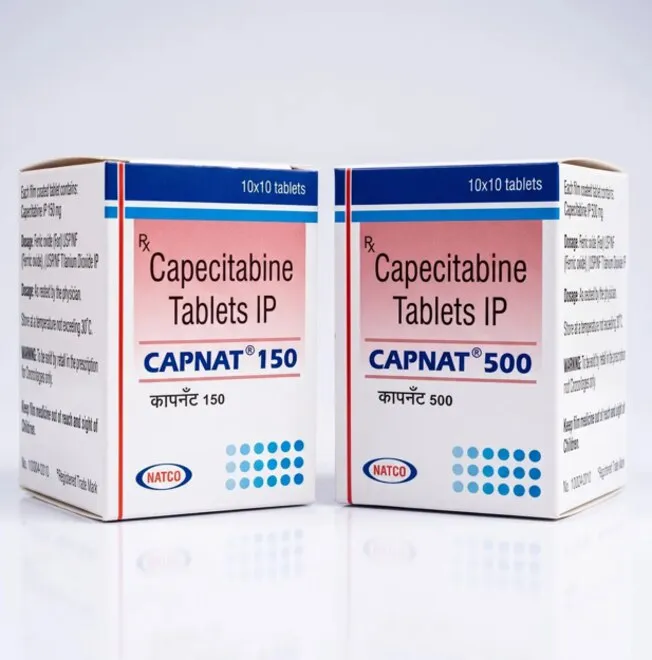
A 150 mg or 500 mg label identifies strength, not a complete product identity. In Xeloda versus generic capecitabine purchasing, verify active-ingredient equivalence, then confirm that the proposed generic has a UK marketing authorisation or lawful import route for that exact presentation.
| Check | Xeloda | Generic capecitabine |
|---|---|---|
| Active ingredient and strength | Capecitabine 150 mg or 500 mg per tablet | Capecitabine at the stated strength; verify the authorised product |
| Excipients | Read the product information for ingredients relevant to allergy, intolerance or formulation differences | Compare the full excipient list; the same active ingredient does not mean identical excipients |
| Manufacturer and authorisation | Confirm the manufacturer, marketing-authorisation holder and UK licence details | Confirm the manufacturer, marketing-authorisation holder and UK licence or permitted import route |
| Pack presentation and identification | Match pack size, artwork, leaflet version and product identifier | Match those details to the tender, order and authorised presentation |
A generic is not UK-sellable merely because it was manufactured in India or has the same strength. Check the exact pack size, batch traceability and shelf life offered; a different presentation can fail hospital purchasing controls even when the tablets contain equivalent active ingredient.
Do not assume 150 mg tablets replace 500 mg tablets: the prescription, indication and dose modification determine the required combination. Confirm any proposed substitution through the prescriber and pharmacy’s formulary and procurement controls.
The UK legal checks before placing an oncology medicine order
A lawful supply route needs a named UK-regulated party, not only an Indian manufacturing licence or Certificate of Pharmaceutical Product. Before payment, match the proposed product and transaction to one of these routes:
| Route | Evidence to request | What it proves |
|---|---|---|
| UK-authorised supply | UK marketing authorisation number, approved product name, strength, pack size and manufacturer | The presentation is authorised for UK supply |
| Commercial wholesale | Current MHRA wholesale dealer authorisation and GDP operating details | The supplier may handle medicines commercially |
| Import from outside the UK | MHRA manufacturer/importer authorisation, named importer and batch-release responsibility | The import and release steps have an accountable UK entity |
| Unlicensed supply | Written justification for the unlicensed-medicine route and any required MHRA import or supply approvals | The product is being supplied through a lawful exception, not ordinary UK distribution |
Check these records before placing the order:
- Verify the licensed supplier’s legal name and wholesale dealer authorisation on the MHRA register. The exporter’s licence does not replace the UK wholesaler’s authorisation.
- Require the UK marketing authorisation number and compare its authorised manufacturer, pack size, artwork and patient leaflet with the quoted capecitabine.
- Ask the quotation to identify who imports the consignment and who performs batch release. If those names are missing, the route is not auditable.
- Record the buyer’s authority to purchase and receive a prescription-only cytotoxic medicine, plus the supplier’s recall and batch-traceability contacts.
Do not treat an Indian-made product as UK-sellable until these records align. A Certificate of Analysis supports quality review; it does not prove lawful UK marketing.
The procurement dossier a hospital or wholesaler should require
Do not release a purchase order until the dossier identifies the exact product, lawful supply route and responsible UK party. The quotation should name the manufacturer, marketing-authorisation holder, UK product licence or authorisation, pack size, shelf life on delivery and the licensed entity responsible for importation and batch release.
Require a pro forma invoice before payment, then match the commercial invoice and packing list against the approved quotation.
| Document | Check | What failure means |
|---|---|---|
| Quotation | Strength, pack size, manufacturer, price, Incoterms and delivery conditions | You cannot confirm what was ordered |
| Pro forma invoice | Consignee, exporter, quantities and payment terms | Customs and payment details may conflict |
| Commercial invoice | Batch-linked product description, value, origin and parties | Import records may not match the shipment |
| Packing list | Carton count, quantities, batch numbers and expiry dates | Receiving staff cannot reconcile delivery |
| Certificate of analysis | Batch results, specification, test dates and release signature | It does not prove UK marketability or lawful import |
| Quality documents | Approved artwork, patient leaflet version, GDP evidence and damage procedure | The supplied pack may not match the authorised presentation |
| Regulatory documents | UK authorisation, import or wholesale-dealer authorisation, and any unlicensed-medicine route | The transaction may be unlawful |
Ask Cordium Pharmaceuticals Pvt Ltd to state which UK entity holds each responsibility, rather than treating an Indian export document as permission to sell in Great Britain. Require temperature records for the journey, even though many presentations specify storage below 30°C, and retain intact original-pack traceability.
Include a cytotoxic waste and damaged-pack procedure in the supply specification.
Related products
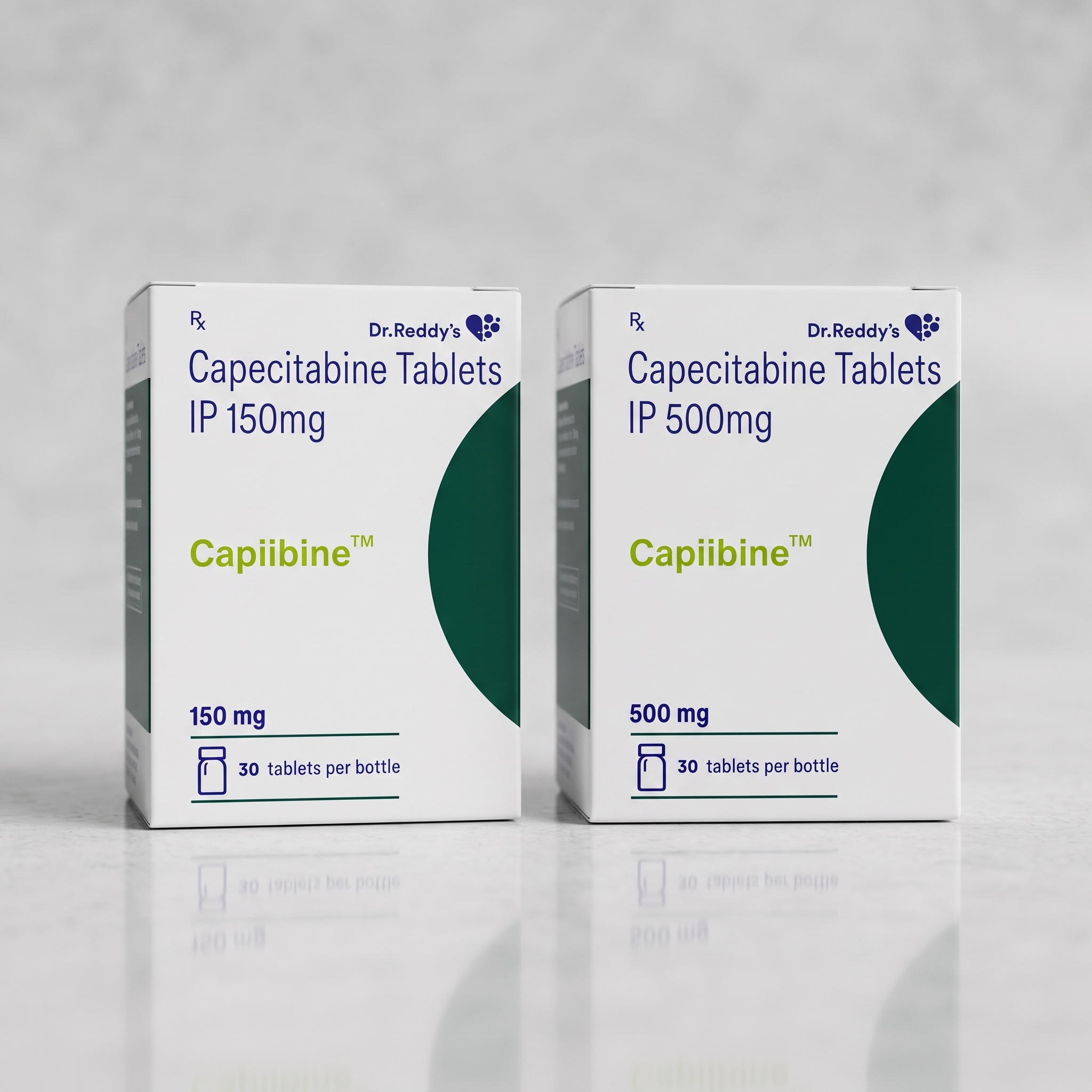 | Oncology Medicine Capiibine Tablets – Capecitabine Tablets for Cancer Treatment in the UK Capiibine Tablets contain capecitabine, an oral anticancer medicine used under specialist medical supervision. View product → |
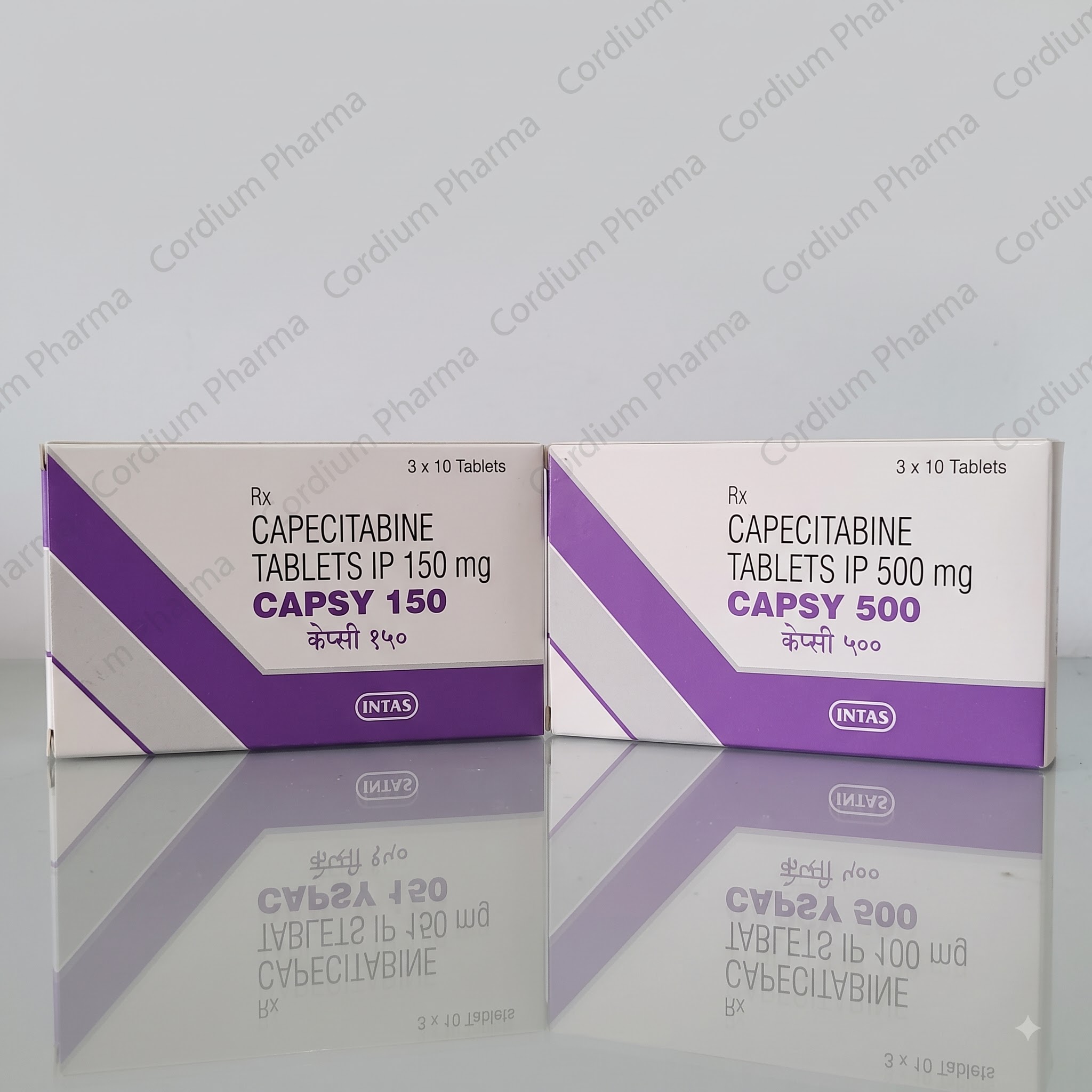 | Oncology Medicine Capsy Tablets: Uses, Benefits, Side Effects, Strengths and FAQs Capsy Tablets contain capecitabine, an oral anticancer medicine prescribed for the treatment of certain types of cancer. View product → |
How to release, store and investigate a capecitabine shipment
Do not release the consignment until a trained receiver has matched the delivered packs to the purchase order, shipping documents and approved product specification. Record the decision and quarantine anything that fails a check.
1. Inspect cartons and blister packs for water damage, crushed edges, broken seals, opened boxes, missing leaflets or altered artwork. Confirm the batch number and expiry date on every shipper and sample pack, and check tamper evidence before accepting stock.
2. Match the quantity, strength, manufacturer and pack presentation to the order. Obtain the certificate of analysis, but do not treat it as proof of UK marketability or lawful importation; retain it with the batch record.
3. Review temperature and transport records from dispatch through delivery. Store packs in the original package below 30°C where the product information specifies that limit, protected from moisture and unauthorised access. Routine refrigeration is not a substitute for documented control.
4. If a seal is broken, tablets are loose, packs are wet or temperatures exceed the labelled limit, quarantine the affected batch. Record times, temperatures, locations and damage; ask the manufacturer or responsible importer for a written stability assessment before release. Do not blend cleared and uncleared stock.
5. Handle capecitabine as a cytotoxic medicine. Limit access, train staff in spill response, use the organisation’s protective procedures, document damaged-pack handling and send rejected or expired stock through the approved cytotoxic-medicines waste route.
Escalate suspected falsification, contamination, serious quality defects or adverse reactions through the supplier’s recall and pharmacovigilance contacts, preserving batch-level traceability.
Frequently asked questions
How do 150 mg and 500 mg capecitabine tablets fit a treatment cycle?
The prescribed dose determines the combination and quantity of tablets. A common schedule is 14 days of treatment followed by 7 days without tablets, but the regimen changes by cancer type and combination therapy.
Why does tablet strength not identify an equivalent capecitabine product?
Equivalent procurement requires checks beyond strength, including the manufacturer, formulation, excipients, marketing authorisation, pack size, batch details and release documentation.
What UK legal checks apply before ordering capecitabine?
Check the supplier’s wholesale distribution authorisation, the product’s UK marketing authorisation or lawful unlicensed supply route, importer arrangements and GDP responsibilities.
What documents should a hospital or wholesaler require?
Request the quotation, product specification, marketing authorisation details, batch certificate of analysis, certificate of pharmaceutical product where relevant, shipping records, invoices and temperature evidence.
How should a capecitabine shipment be released, stored and investigated?
Inspect seals, packs, batch numbers, expiry dates and temperature records on arrival. Quarantine discrepancies, document the investigation and release stock only after an authorised quality decision.
Related products
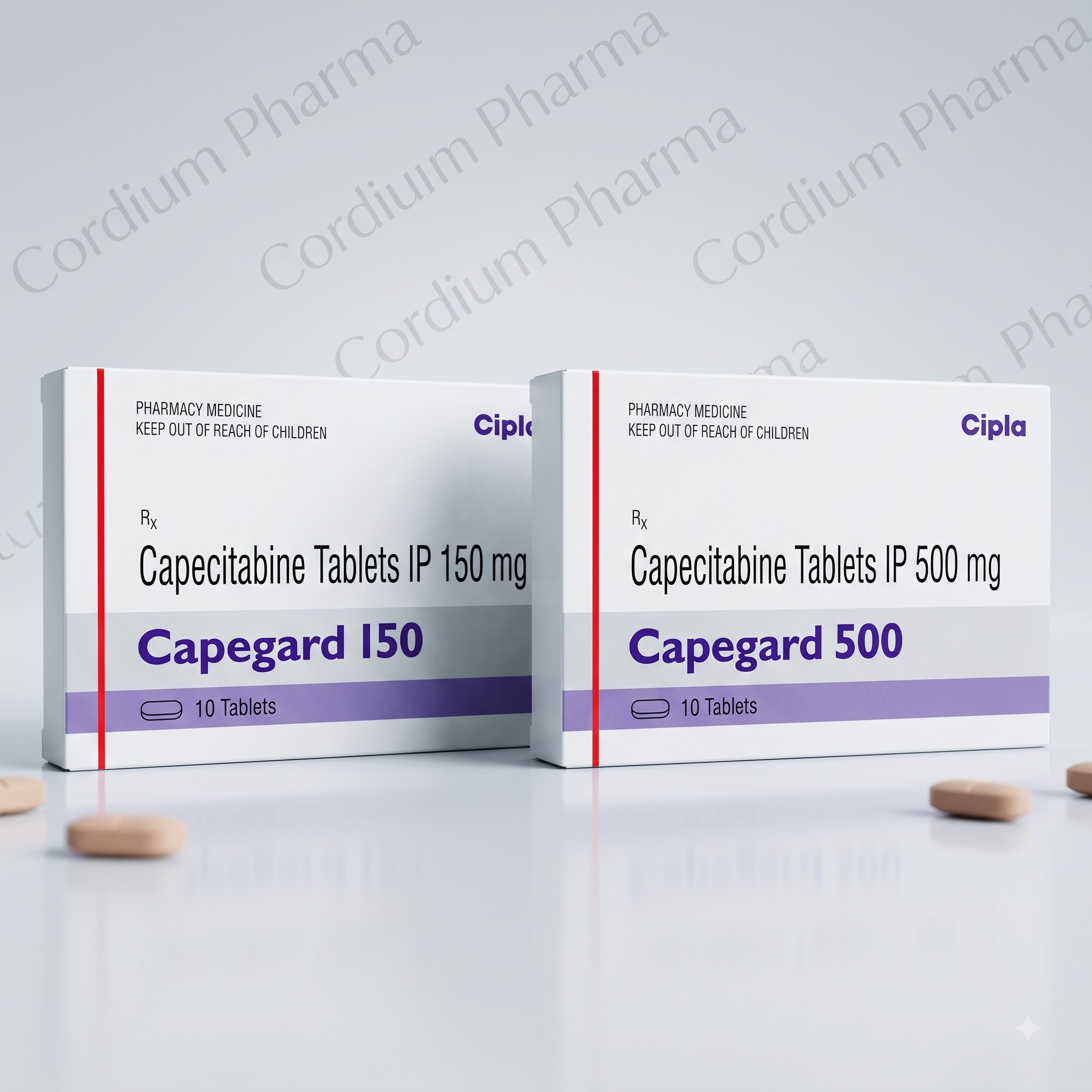 | Oncology Medicine Capegard Tablets – Product Specification, Strength & FAQs in Dubai, UAE Capegard Tablets are oral prescription medicine containing capecitabine, an anticancer medicine used as part of treatment plans for certain cancers. |
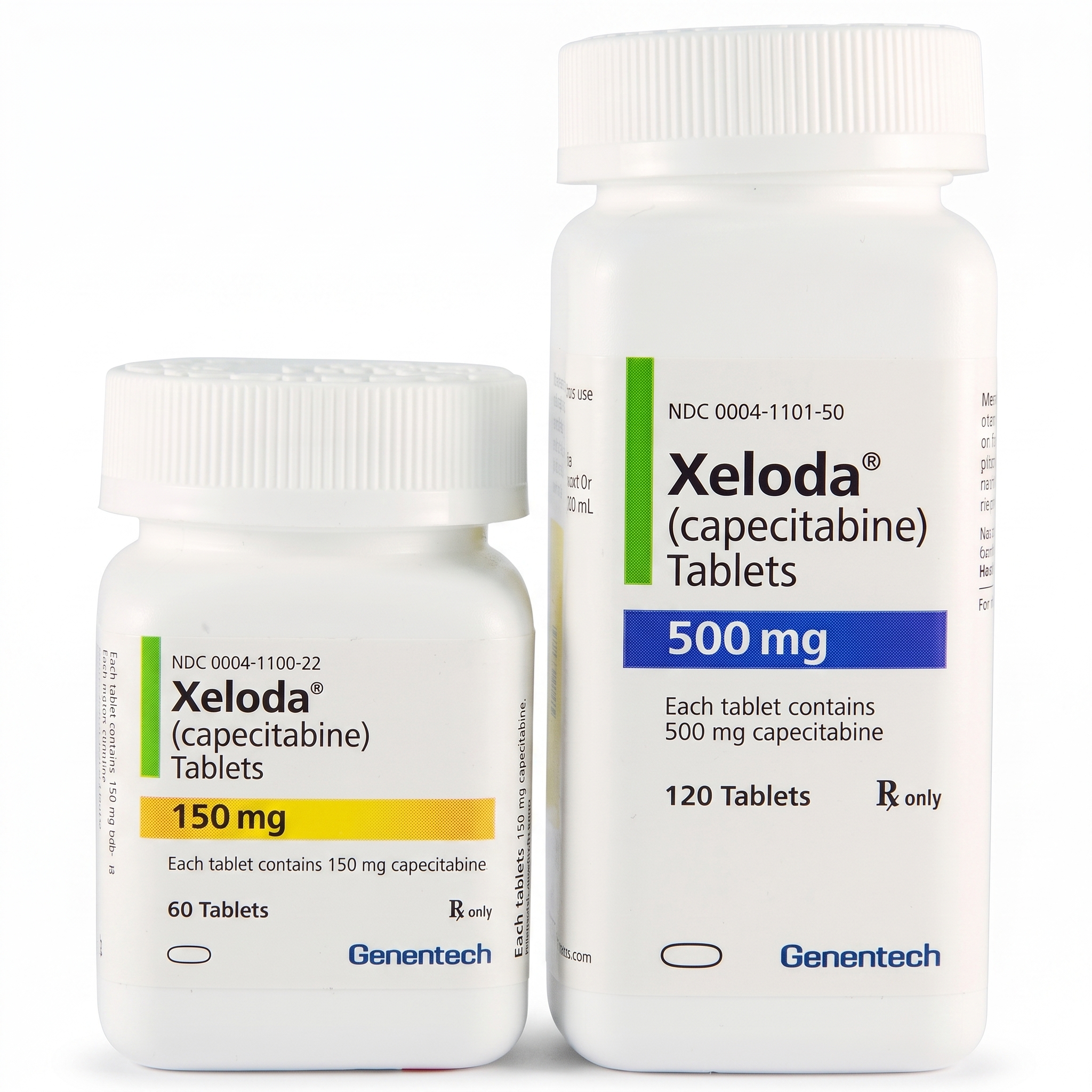 | Oncology Medicine Xeloda Tablets – Capecitabine Tablets for Cancer Treatment Xeloda Tablets contain capecitabine, an oral anticancer medicine used under specialist medical supervision for the treatment of certain types of... View product → |
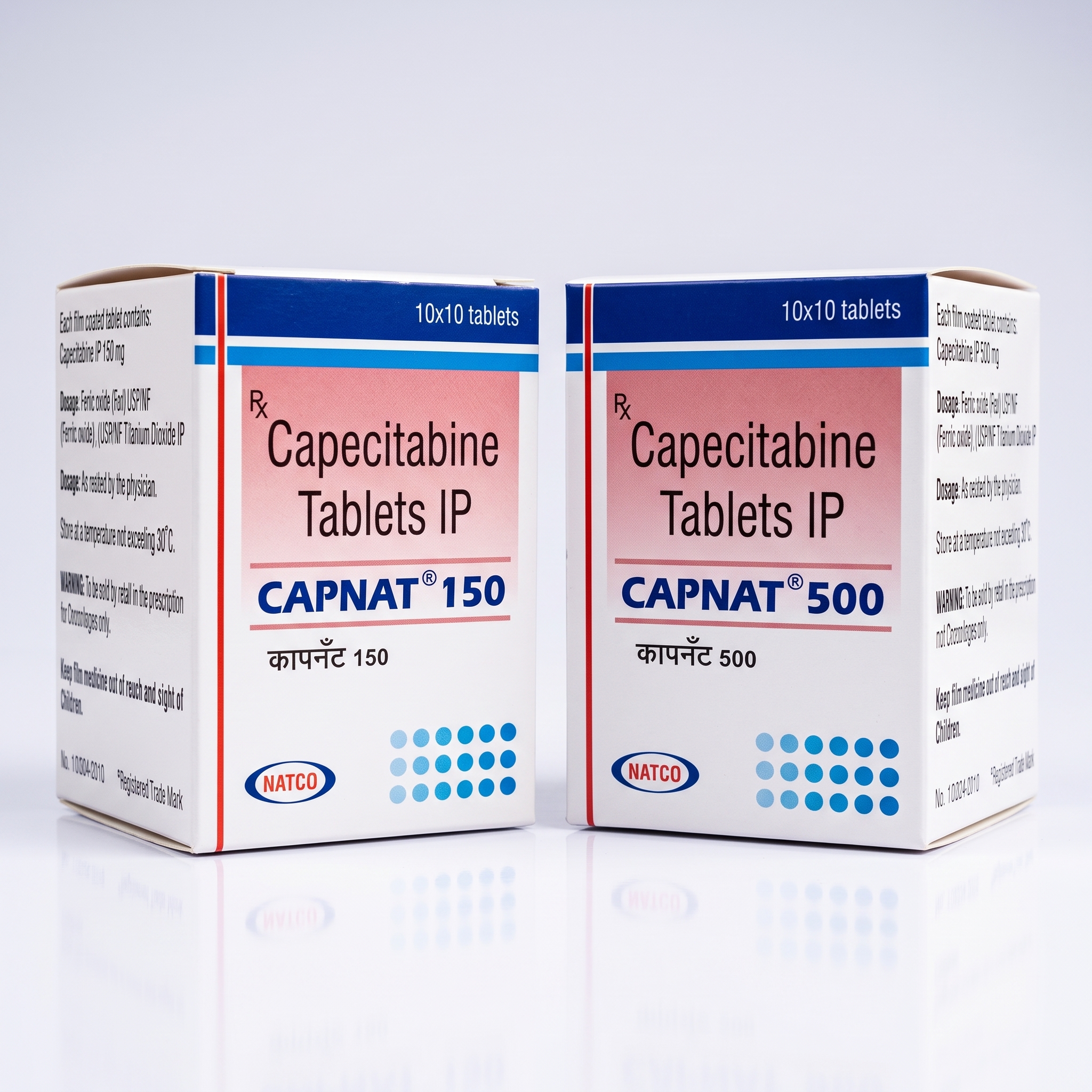 | Oncology Medicine Capnat Tablets – Capecitabine Tablets for Cancer Treatment Capnat Tablets contain capecitabine, an oral anticancer medicine belonging to the antimetabolite class. View product → |