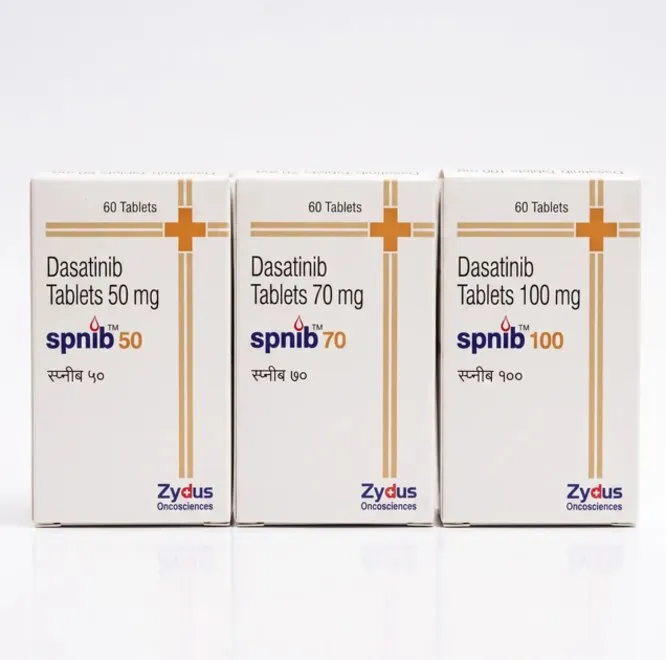
A shipment of dasatinib tablets is not adequately documented because a supplier sends a certificate of analysis and an invoice. You need to reconcile the batch, regulatory status, test results, packaging, transport conditions and destination-market requirements before approving 50 mg, 70 mg or 100 mg tablets for import. By the end, you will have a document-by-document review sequence and a method for handling discrepancies, excursions and damaged packs.
Key takeaways
- Request product, site, batch, authorisation and shipping documents before payment.
- Match the batch number, strength, expiry date and manufacturer across every record.
- Use the certificate of analysis to verify batch results, not marketing claims.
- Confirm packaging, storage conditions and transport evidence before customs clearance.
Build the complete document file before approving the order
Request the complete dasatinib tablets export documents before approving payment or shipment. The file must cover the product, manufacturing site, batch, legal authorisation and movement of goods:
- Batch-specific certificate of analysis showing the 50 mg, 70 mg or 100 mg strength, tablet dosage form, batch number, manufacturing and expiry dates, specifications, results and quality-authorised signatory.
- Batch release certificate identifying the released batch and releasing authority. For EU imports, confirm how the EU Qualified Person will certify the batch under EU GMP Annex 16; an exporter’s CoA alone is not enough.
- Certificate of pharmaceutical product issued by the competent authority, plus the importing market’s marketing authorisation or product licence evidence.
- Current manufacturing licence and good manufacturing practice certificate for the named site.
- Commercial invoice, packing list and certificate of origin.
| Document | What it proves | What it does not replace |
|---|---|---|
| Certificate of analysis | Batch test results against stated limits | Regulatory authorisation or EU QP certification |
| Batch release certificate | Formal release decision for a named batch | The importing authority’s market approval |
| Certificate of pharmaceutical product | Product and manufacturer regulatory status in the exporting country | Batch-specific testing, GMP evidence or import authorisation |
| Distributor statement of conformity | Supplier’s declaration about supplied goods | Manufacturer-issued test evidence or government certification |
Reject a generic CoA, internal summary without acceptance limits, or distributor declaration as substitutes. Also request the approved pack configuration and storage statement; the authorised pack size and presentation must match the destination market, not merely the tablet’s nominal strength.
Reconcile every identity and batch field across the paperwork
Treat any mismatch in the identity or batch fields as a release stop until the issuer explains it in writing.
| Field | What must match | Where to verify |
|---|---|---|
| Product identity | Product name, dasatinib as the active ingredient, tablet dosage form and 50 mg, 70 mg or 100 mg strength | CoA, product licence or marketing authorisation, invoice and packing list |
| Batch identity | The same batch number, including every letter, digit and hyphen | CoA, batch release certificate, carton, blister, invoice and packing list |
| Dates | Manufacturing date and expiry date must be identical and use an unambiguous format | CoA, release certificate, carton, blister and shipping documents |
| Pack configuration | Pack size, such as tablets per blister and blisters per carton, must agree with the physical shipment | CoA, packing list, invoice and carton |
| Manufacturer | The legal manufacturer named on the CoA must align with the manufacturing licence, GMP certificate and regulatory file | CoA, GMP certificate, licence and Certificate of Pharmaceutical Product |
| Quality evidence | Assay and dissolution results must sit beside named specifications and the responsible quality-authorized signatory | Batch-specific CoA |
Perform batch number reconciliation against the carton and each blister, not only the supplier’s PDF. A generic CoA, distributor’s statement of conformity or shipment-level declaration cannot replace batch-specific results.
Check the storage statement against the approved product information and stability evidence for the destination climate and pack configuration. A WHO Certificate of Pharmaceutical Product confirms regulatory status; it does not prove release of this batch. For an EU import, confirm the required Qualified Person certification separately.
Read the certificate of analysis as batch evidence, not a product brochure
A certificate proves that the shipped batch passed testing only when it is batch-specific and complete. During dasatinib CoA review, confirm the product name, 50 mg, 70 mg or 100 mg strength, tablet dosage form, batch number, manufacturing date, expiry date, applicable specification and quality-authorized signatory.
Check the results against stated acceptance limits, not against a simple “complies” statement. The CoA must show the required assay result, dissolution result and related substances results, with units, test methods or method references, and pass/fail limits.
Reject the CoA as batch evidence if it is:
- A blank or generic template covering multiple batches
- An internal summary that lists results without specification limits
- A distributor’s statement of conformity
- Missing the responsible quality signatory, test date or laboratory identification
- Different from the batch number printed on the carton and each blister
The certificate must also connect the result to the physical shipment. A matching product description is not enough: compare the batch number, strength, pack size, manufacturing date and expiry date line by line.
A Certificate of Pharmaceutical Product describes regulatory status and the manufacturer in the exporting country; it does not replace batch testing, GMP evidence or marketing authorisation requirements. A manufacturing-site release certificate adds context but does not replace destination-market controls.
For an EU third-country import, an exporter’s CoA alone is insufficient. The EU Qualified Person must certify the batch under EU GMP Annex 16 before EU release.
Check packaging, storage and transport before the shipment reaches customs
A shipment can match its certificate of analysis and still arrive with damaged or poorly controlled packs. Inspect representative cartons from each strength and compare the physical presentation with the approved pack description before customs clearance.
1. Check carton labels for product name, 50 mg, 70 mg or 100 mg strength, dosage form, batch number, expiry date, pack size, manufacturer and storage statement. Confirm that the batch number is legible and that tamper seals are intact.
2. Open sample cartons and inspect the blister foil for punctures, lifted seals, delamination, crushed pockets, moisture marks or loose tablets. Record quantities and photograph damage; do not treat a distributor’s statement of conformity as evidence that damaged packs remain acceptable.
3. Download the temperature logger data and compare its time stamps with collection, transit, border holding and delivery records. A logger records observed conditions; it does not prove a qualified route or automatically justify an excursion beyond the labelled 20–25 °C range, including permitted 15–30 °C excursions.
4. Review the carrier record for route, handoffs, vehicle or container identification, logger number, alarms, excursion investigations and corrective action. Check humidity control where the pack, route risk assessment or stability evidence requires it, and confirm that the shipment remained sealed and protected from contamination.
Quarantine any mismatch, broken seal, unexplained delay or temperature alarm until the manufacturer or importing-market release authority assesses it. EU imports from a third country still require Qualified Person certification before EU release; an exporter’s batch certificate alone is insufficient.
Turn the review into a destination-market release decision
Approve the shipment only when the destination dossier answers three questions: is the presentation legally authorised, does batch evidence prove release, and can the receiving site lawfully accept the packs? Treat any unanswered question as a hold, not an administrative delay.
- Match the 50 mg, 70 mg or 100 mg presentation, pack size and manufacturer to the destination marketing authorisation. Do not assume a strength authorised elsewhere transfers automatically.
- Check that the GMP certificate covers the actual manufacturing site and remains valid for the shipment date.
- For a third-country import into the EU, obtain EU QP certification under EU GMP Annex 16. An exporter’s CoA or batch release certificate alone does not replace it.
- For EU supply, verify the unique identifier, anti-tampering device and serialization status under the Falsified Medicines Directive framework. A genuine batch can still fail receiving checks.
- Confirm that the CoA and release certificate identify the shipped batch, tested specifications, results and authorised signatory. A WHO Certificate of Pharmaceutical Product supports regulatory-status evidence; it does not replace marketing authorisation, GMP or batch records.
Ask a sourcing partner to intervene when the importing authority’s licence route is unclear, the manufacturer differs from the authorised site, or EU QP and serialization arrangements have not been assigned. Cordium Pharmaceuticals Pvt Ltd can help map those gaps to the destination authority before you commit the order.
Release remains the importer’s decision. Keep written evidence of each approval, exception and responsible person.
Frequently asked questions
Which documents should you request before approving a dasatinib order?
Request a complete file covering the product, manufacturing site, batch, legal authorisation and movement of goods before approving payment or shipment.
How do you reconcile dasatinib batch information across documents?
Compare the product name, tablet strength, batch number, manufacturing date, expiry date, manufacturer and pack size across the invoice, certificate of analysis, labels and shipping records.
What should you check on a dasatinib certificate of analysis?
Check that the certificate identifies the exact batch and reports test results, specifications, methods or references, approval details and release status rather than describing the product in general terms.
What packaging and transport details matter for dasatinib shipments?
Check intact seals, legible labels, the stated storage range, protection from unsuitable conditions and transport records before the shipment reaches customs.
When is a dasatinib shipment ready for destination-market release?
Release it only after the documents agree, the batch evidence is acceptable, the packaging and transport conditions are documented and the destination-market requirements are satisfied.