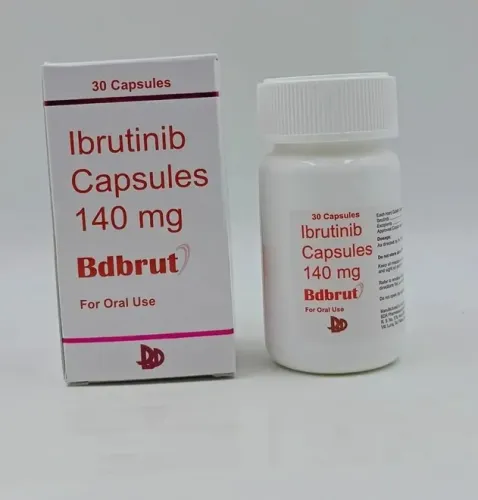
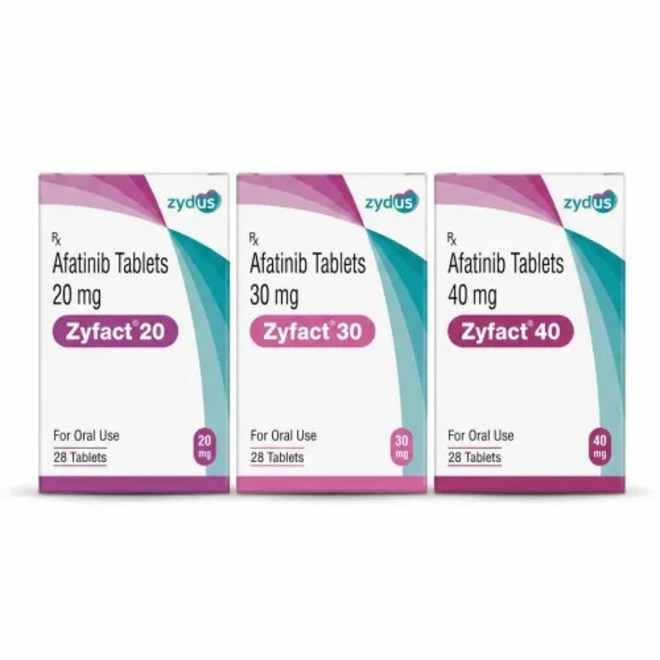
A supplier’s stated strength, Indian manufacturing approval or certificate of analysis does not by itself prove that afatinib tablets can be supplied lawfully in the UK. By checking the MHRA authorisation record, import route, packaging and traceability evidence, you can distinguish UK-licensed stock from parallel imports, specials and named-patient supplies before accepting a quotation.
Key takeaways
- Confirm the finished product’s UK marketing authorisation before routine supply.
- Match the quotation against the exact MA holder, manufacturer, strength and pack.
- Check the importer’s wholesale dealer licence and Great Britain or Northern Ireland route.
- Approve 20 mg, 30 mg and 40 mg presentations separately against their documents.
What makes an afatinib tablet authorised for the UK market?
Prescription-only afatinib needs a UK marketing authorisation for the finished product before routine supply, unless a specific exemption in the Human Medicines Regulations applies. An Indian export licence, manufacturing approval or certificate of analysis does not create UK market authorisation.
Check the MHRA Products database and the authorised UK packaging for:
- Marketing-authorisation holder and authorised product name
- MHRA licence number and PL number
- Pharmaceutical form, such as film-coated tablet
- Approved 20 mg, 30 mg and 40 mg strengths
- Authorised pack sizes for each strength
- Legal supply category, which should identify a prescription-only medicine
- Authorised indications, including EGFR-mutation-positive locally advanced or metastatic non-small-cell lung cancer and the specified metastatic squamous NSCLC setting after platinum chemotherapy
These strengths are not interchangeable pack sizes. Afatinib normally starts at 40 mg once daily; 30 mg and 20 mg provide 10 mg dose reductions for adverse reactions, with 20 mg generally the lowest recommended dose. Each presentation must therefore appear within the applicable authorisation.
| Route | Identifying number | Supply basis |
|---|---|---|
| Standard UK licence | PL number | Routine supply under the UK marketing authorisation |
| Parallel import | PLPI number | Import and sale under a parallel-import authorisation |
| Special medicinal product | No equivalent routine MA | Unlicensed supply for a specific clinical need |
| Exceptional or named-patient route | Route-specific exemption | Supply for an individual patient or defined exceptional circumstance |
Specials and named-patient supply do not provide the same basis as a standard licence for routine marketed distribution. A PLPI number also does not mean the product is authorised under the same standard UK licence as the original brand.
How do you compare an MHRA record with a supplier quotation?
Search the MHRA Products database by the authorised product name and by the active substance afatinib. Then compare the quotation line by line against the record, not against a supplier-created datasheet.
| Check | Match required |
|---|---|
| Marketing-authorisation holder | The quotation names the same holder as the MHRA record |
| Product and strength | Authorised product name and exactly 20 mg, 30 mg or 40 mg |
| Pharmaceutical form | Film-coated tablet |
| Pack size | The quoted number of tablets matches an authorised presentation |
| Licence number | The PL number matches the database record |
| Legal category | Prescription-only medicine, where shown |
| Indications | The quotation matches the authorised indications, not broader cancer claims |
Open the UK afatinib SmPC, patient information leaflet and packaging particulars. Check those documents instead of accepting an Indian label or an EU label copied without UK review. The UK documents control the product name, dosing, indications, warnings and pack wording.
A generic application must support the exact product being supplied. That evidence covers dosage form, qualitative and quantitative composition, dissolution, impurity profile, stability, manufacturing controls and, where applicable, bioequivalence to the reference product. Matching the strength alone proves nothing.
A certificate of analysis proves batch specifications only. It does not prove UK market authorisation, approved indications or lawful import. A quotation that passes the database check but lacks matching UK product information still requires regulatory escalation before purchase.
Who may import and distribute afatinib in Great Britain and Northern Ireland?
Responsibility follows the physical movement of the tablets, not the company that issued the quotation. Confirm the route before discussing price or availability.
1. In Great Britain, an importer bringing finished afatinib from India needs an appropriately authorised manufacturing/import operation, normally covered by a Manufacturer’s/Importer’s Authorisation. Each batch needs UK batch certification by a Qualified Person before commercial supply.
2. A wholesaler supplying pharmacies, hospitals or other businesses needs an MHRA wholesale dealer authorisation for human medicines. A broker registration covers arranging transactions without taking physical possession; it does not authorise physical wholesale distribution.
3. The wholesaler must operate under Good Distribution Practice, including approval of suppliers and customers, documented storage and transport controls, batch traceability, recall procedures, recorded returns, and quarantine and investigation of suspected falsified medicines.
Northern Ireland requires a separate assessment. Since 1 January 2025, medicines placed on the Northern Ireland market are generally licensed by the MHRA under the Windsor Framework, and UK-wide packs must carry the UK Only safety label. An EU-only authorisation or legacy EU Falsified Medicines Directive route does not replace the current UK assessment.
A sourcing partner such as Cordium Pharmaceuticals Pvt Ltd can obtain quotations, collect manufacturer documents and coordinate export; the licensed importer remains responsible for lawful receipt, batch certification, storage and distribution in the destination market. Verify those authorisations before accepting stock.
Related products
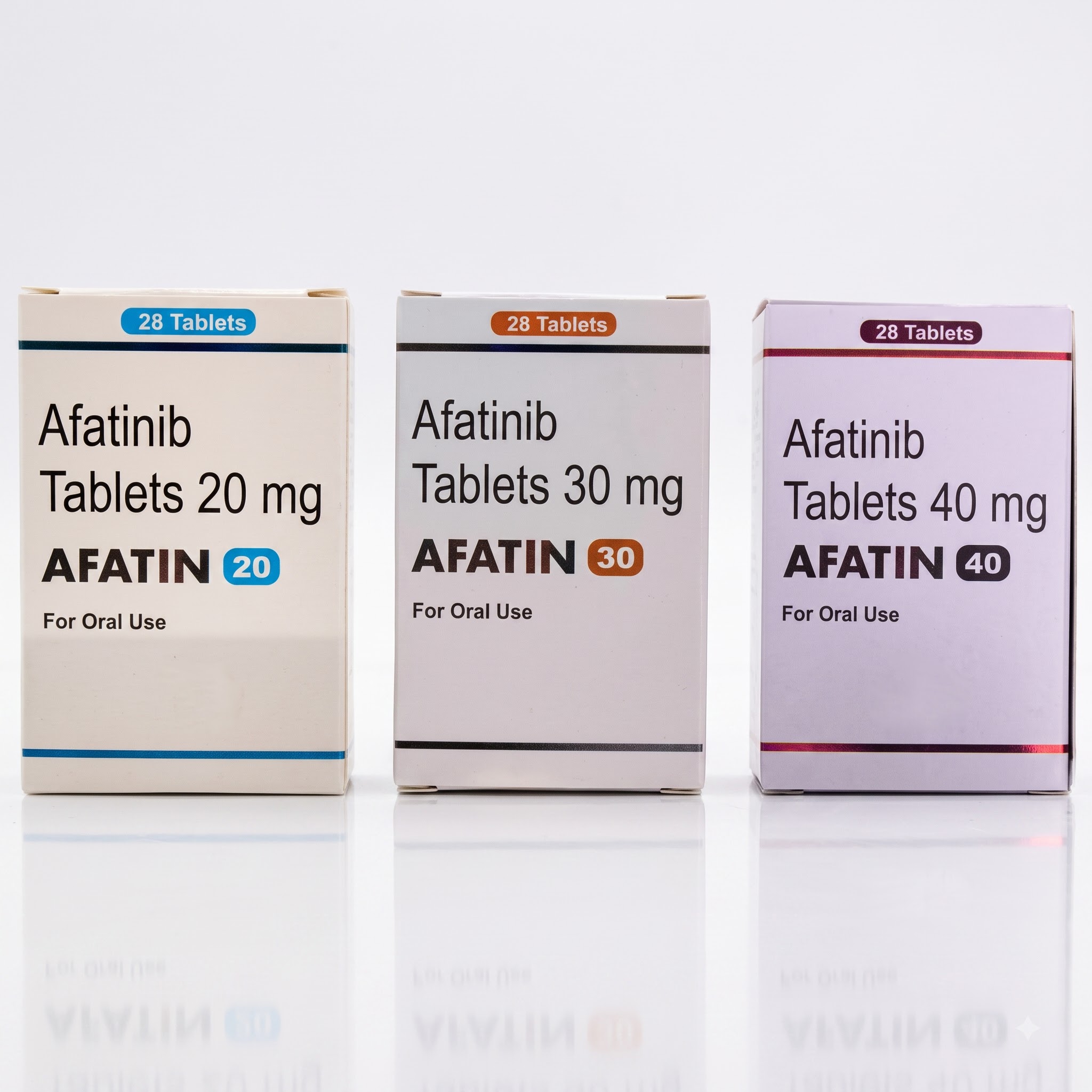 | Oncology Medicine Afatin Tablets – Afatinib Tablets for EGFR-Mutation-Positive Lung Cancer Afatin Tablets Product Description Afatin Tablets contain afatinib, an oral targeted anticancer medicine belonging to the tyrosine kinase inhibitor... |
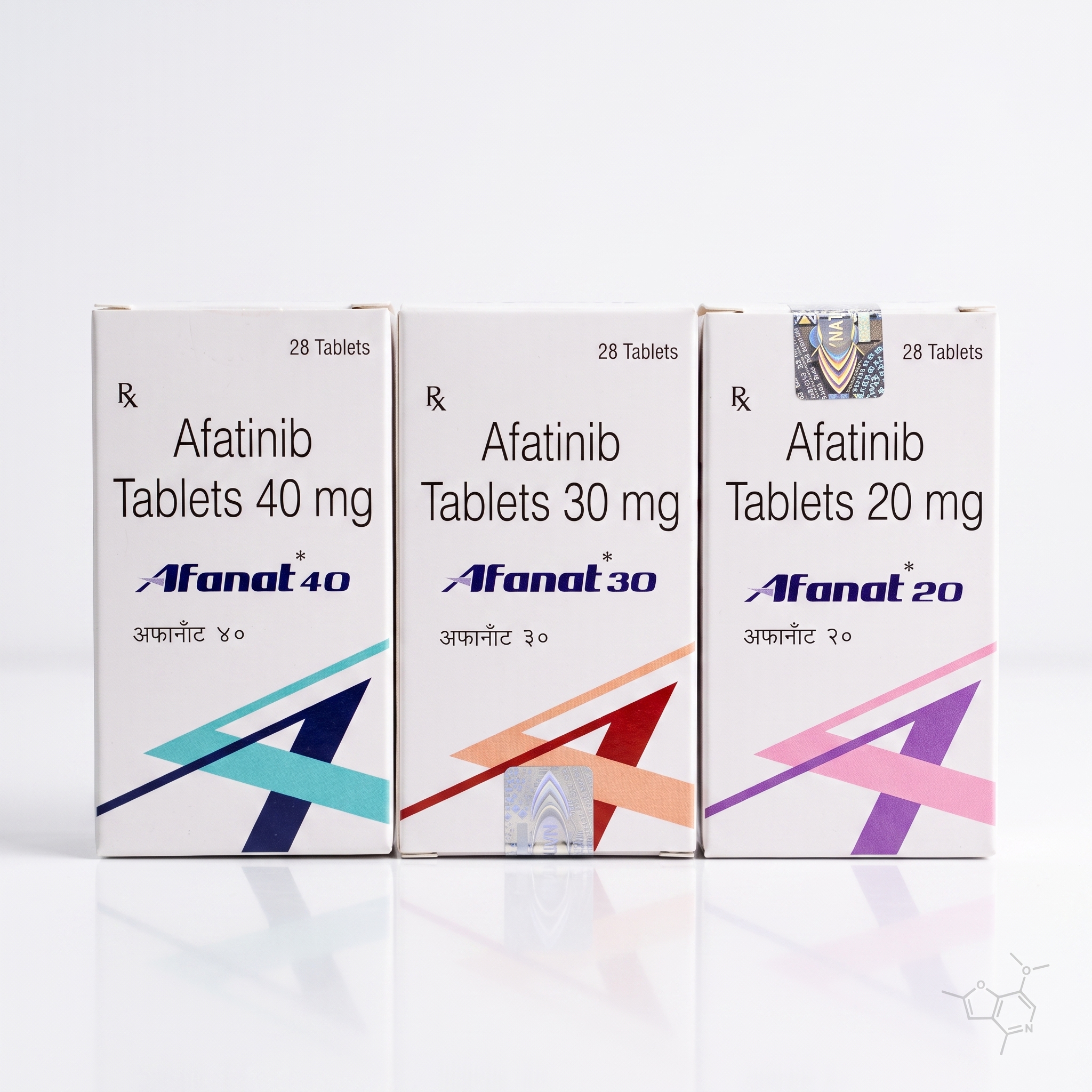 | Oncology Medicine Afanat Tablets 20mg, 30mg & 40mg – Afatinib Afanat Tablets 20mg, 30mg and 40mg contain afatinib, an oral prescription medicine belonging to the tyrosine kinase inhibitor class. View product → |
What must the UK pack and supply documents prove?
Accept the shipment only when the UK medicine packaging and its records tell the same story. Check the following before release:
- Product name, afatinib as the active ingredient, 20 mg, 30 mg or 40 mg strength, and pharmaceutical form, such as film-coated tablet.
- Batch number and expiry date, marketing-authorisation number, manufacturer or licence-holder details, storage conditions, and an English patient information leaflet where required.
- Intact seals and tamper evidence. Compare the batch number and expiry date printed on the carton with the blister; quarantine any mismatch.
- A certificate of analysis, the manufacturer’s batch-release documentation and evidence of UK batch certification where required.
- A documented chain of custody from the manufacturer through each handler to the UK recipient, including transfer dates, quantities and storage conditions.
Check each item against the authorised UK documents, not a supplier-created datasheet.
| Pack or record | What to confirm | Failure to accept |
|---|---|---|
| Identity | Name, strength, form and active ingredient match the authorised UK SmPC and packaging particulars | Any altered or unapproved wording |
| Traceability | Carton and blister carry matching batch number and expiry date | Missing, illegible or conflicting data |
| Licence details | UK marketing-authorisation number and licence-holder details are present | EU or Indian details substituted for UK particulars |
| Patient information | English PIL is enclosed where required | Missing or mismatched leaflet |
The UK product information specifies storage below 25°C, in the original package to protect from moisture. Ambient transport does not permit uncontrolled heat or humidity, nor removal from the original blister. An EU-style 2D code or anti-tamper feature alone does not prove UK saleability; artwork must match the authorised UK SmPC, PIL and packaging particulars.
How should you approve the 20 mg, 30 mg and 40 mg presentations?
Approve each strength against the same UK marketing authorisation, not against a supplier’s catalogue. Afatinib 20 mg, 30 mg and 40 mg must each appear in the authorisation, with matching film-coated tablet details, artwork and patient information leaflet.
1. Confirm the authorised regimen: 40 mg once daily is the usual starting dose. The 30 mg and 20 mg presentations are 10 mg dose-reduction strengths for treatment-related adverse reactions; 20 mg once daily is generally the lowest recommended dose.
2. Check administration wording in the label and PIL. It must say to swallow the tablet whole with water, without food, at least 1 hour before or 3 hours after a meal. Reject distributor instructions that add crushing, chewing, tablet splitting or unapproved substitution.
3. Obtain the MA holder’s UK pharmacovigilance contact and written quality-complaint arrangements. The MA holder remains responsible for adverse-event reporting and risk management; a distributor’s complaint mailbox is not a replacement for that system.
4. Ensure buyer-facing information retains warnings about diarrhoea, rash, paronychia, stomatitis, nail effects and P-glycoprotein interactions. Do not reduce the three strengths to interchangeable pack options.
5. Match the licence, artwork, batch numbers, import documents and custody records before release. Place the shipment on hold and escalate to the MA holder and authorised importer when any item conflicts, is incomplete or cannot be verified.
Frequently asked questions
What makes an afatinib tablet authorised for the UK market?
The finished afatinib product needs a valid UK marketing authorisation before routine supply, unless a specific Human Medicines Regulations exemption applies. An Indian export licence or certificate of analysis does not create UK authorisation.
How do you compare an MHRA record with a supplier quotation?
Match the quotation to the MHRA record using the product name, marketing authorisation holder, manufacturer, pharmaceutical form, strength, pack size and authorisation status. Investigate any mismatch before approval.
Who may import and distribute afatinib in Great Britain and Northern Ireland?
Use an importer and distributor with the licence required for the proposed route and territory. For wholesale distribution in Great Britain, check the Wholesale Distribution Authorisation and confirm the Northern Ireland route separately.
What must the UK pack and supply documents prove?
The pack and documents must identify the authorised product, strength, batch, expiry date, manufacturer and marketing authorisation details. Check that the quotation, product photographs, invoices and batch documents describe the same presentation.
How should you approve the 20 mg, 30 mg and 40 mg presentations?
Approve each strength as a separate presentation. Match its stated strength, dosage form, pack size, authorisation record, artwork and batch documentation; approval of one strength does not approve the others.
Related products
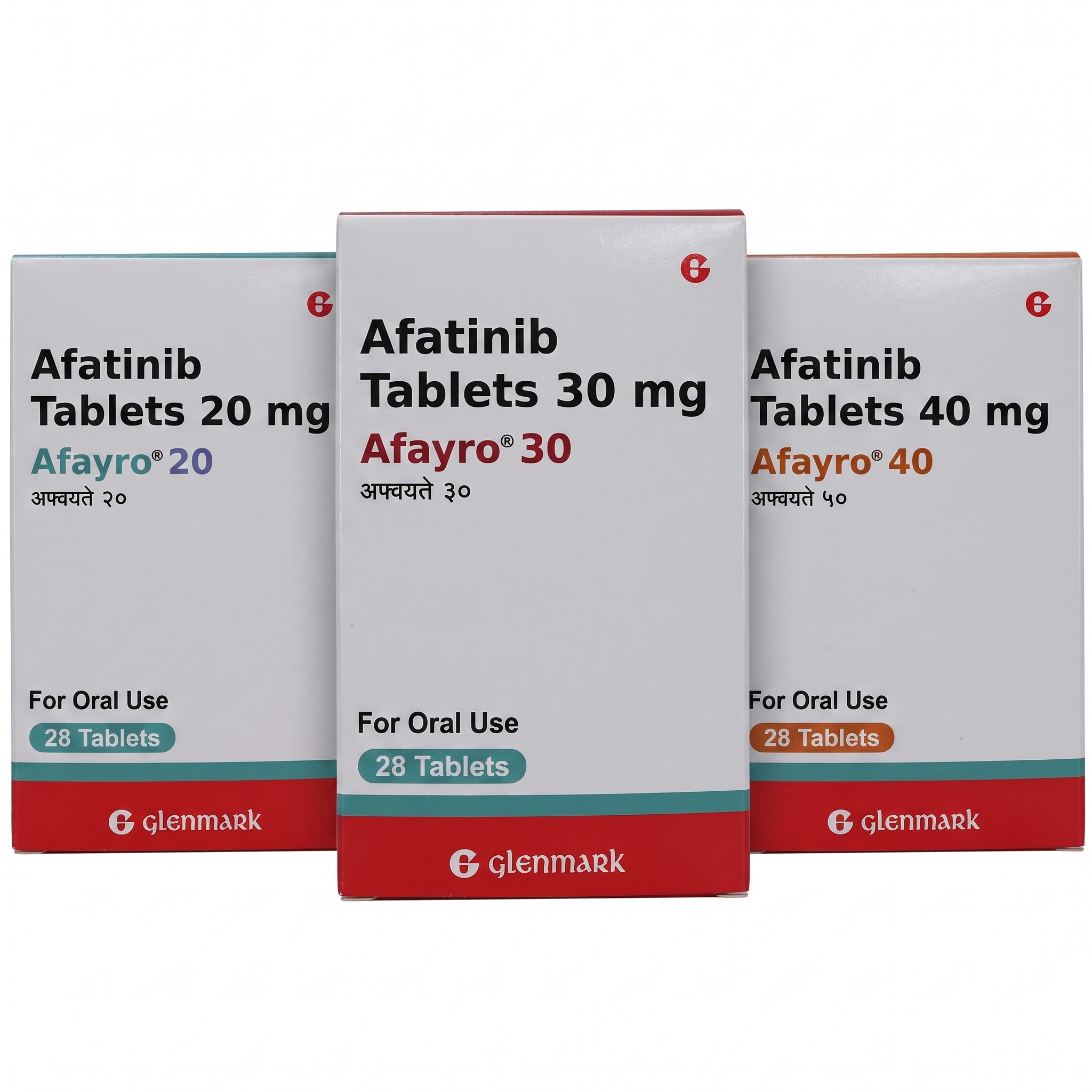 | Oncology Medicine Afyro Tablets – Afatinib Tablets for Non-Small Cell Lung Cancer Afyro Tablets contain Afatinib, an oral targeted anticancer medicine used under medical supervision for certain patients with non-small cell lung... |
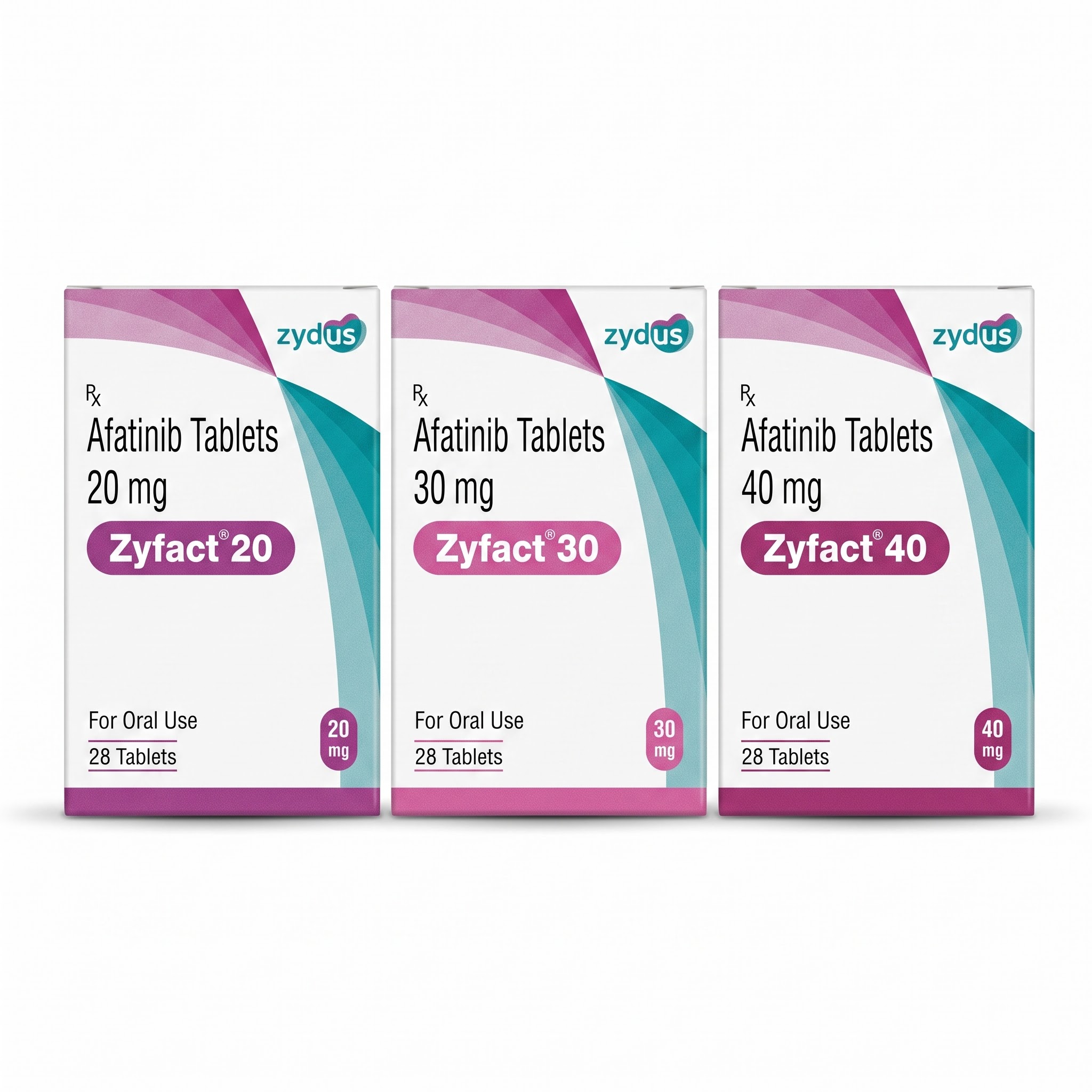 | Oncology Medicine Zyfact Tablets 20mg, 30mg & 40mg – Afatinib Medicine Details Zyfact Tablets 20mg, 30mg and 40mg contain Afatinib, an oral targeted anticancer medicine used in the treatment of certain types of non-small cell... View product → |
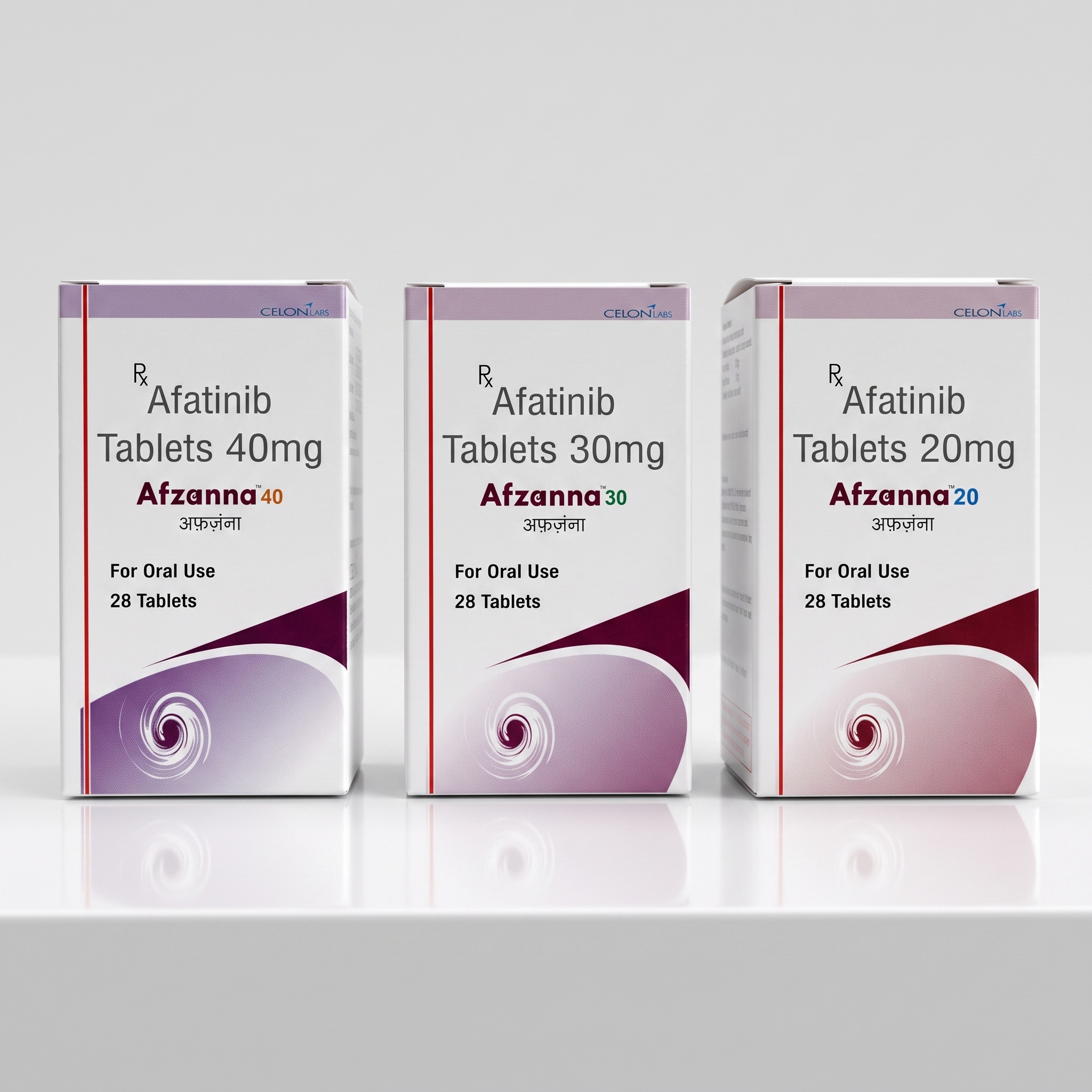 | Oncology Medicine Afzanna Tablets: Uses, Strengths, Benefits, Side Effects Afzanna Tablets contain afatinib dimaleate, a prescription anticancer medicine used to treat certain types of non-small cell lung cancer (NSCLC). View product → |