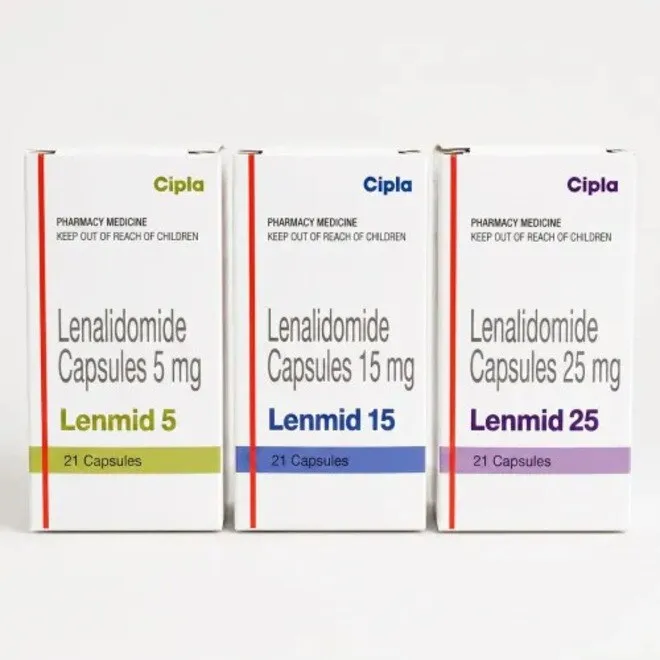
A traceable lenalidomide shipment is more than a sealed carton and a certificate of analysis. You need to connect the prescribed strength, individual batch, expiry date, regulatory route, licensed businesses and every movement from the Indian manufacturer to the UK receiving site. By the end, you will have a practical record structure and receipt checklist for accepting, quarantining or rejecting stock.
Key takeaways
- Keep each strength, batch number and expiry date as a separate traceability record.
- Ask suppliers for the manufacturer’s batch documents and UK import evidence.
- Capture every pack’s 2D code, batch number, expiry date and market status.
- Quarantine shipments when pack data conflicts with purchase or delivery records.
How to link an Indian manufacturer’s batch to the UK delivery
Trace one lenalidomide batch from purchase order to delivery, preserving the batch-and-expiry combination as the basic unit of batch traceability. Do not place 5 mg, 10 mg, 15 mg and 25 mg capsules under one generic lenalidomide SKU.
1. On the purchase order, record the exact product name, capsule pharmaceutical form, strength, pack size, requested quantity and required market. Record the Indian manufacturer’s legal entity. Its batch number and expiry date must then match across the pro forma or commercial invoice, packing list, certificate of analysis, batch-release documentation and shipment record.
2. Record the exporter, importer, freight forwarder, transport dates, container or airway-bill reference and UK consignee, retaining each legal entity name rather than a trading name or broker’s brand. At the UK receiving site, link these records to the goods-in entry, warehouse location, quarantine decision and final delivery note.
3. The onward record must identify the customer, delivery address, delivery date, quantity, strength, batch and expiry date. GDP distribution records require the date, product, quantity, supplier, customer or consignee and batch number; retain them for at least five years.
This purchase order to delivery traceability lets you locate remaining stock and every recipient when a recall or quality investigation begins. A generic product record cannot show which strength or batch was affected.
What to record from every lenalidomide pack
Capture each pack as its own traceability record, not as a generic lenalidomide SKU. Your lenalidomide 5mg, lenalidomide 10mg and lenalidomide 15mg records need the same fields; use a lenalidomide 25mg pack checklist for the fourth strength.
- Product name, exact strength, capsule pharmaceutical form and pack size
- Batch or lot number, expiry date and manufacturing date when shown
- Marketing authorisation holder, manufacturer and serial number
- Country-specific wording, including UK or Northern Ireland, language, legal supply statements and any market-specific over-label
Do not confuse these identifiers:
| Identifier | What it identifies | What to record |
|---|---|---|
| Batch, Lot or LOT | The production run | The complete printed code |
| Serial number | One individual pack, often in a 2D Data Matrix | The pack-specific number |
| EXP | Expiry month and year | The printed expiry |
| Catalogue, article or product number | The item or presentation | Not the production run |
| Linear barcode | A product code | Not proof of batch identity |
| Warehouse reference | Your internal inventory record | Keep separate from pack identity |
Compare the outer carton with the blister foil or bottle label. Photograph unclear print before moving stock. A matching product name does not resolve a different strength, missing batch, unreadable expiry or unexplained country pack; quarantine that pack rather than placing it in saleable inventory.
How 2D codes, UK market status and supply-chain roles fit together
A successful barcode scan proves only that the encoded data are readable or that a database returned a response. It does not prove UK marketing authorisation, lawful importation, qualified-person batch certification, authorised-supplier status or an uninterrupted distribution history.
An EU Falsified Medicines Directive-style 2D Data Matrix can contain a product code, unique identifier, serial number, batch number and expiry date. Its market treatment differs: EU safety features, including the unique identifier and anti-tampering device, continue for medicines placed on the Northern Ireland market.
Great Britain medicines supply chain rules do not generally require those EU features for packs placed on the GB market, although a pack can still carry the code.
Document the legal entity responsible at each stage:
- Identify the marketing authorisation holder and manufacturer on the product records.
- Record the importer or wholesale dealer responsible for the UK movement, including the licence and premises used.
- Identify the UK Responsible Person when the stated regulatory route uses one; do not treat that role as the marketing authorisation holder or importer.
- Confirm that the wholesale dealer buys from authorised suppliers and supplies authorised customers.
- Require the dispensing pharmacy to record the supplied pack and trace it back to the received batch.
A 2D code supports verification, not substitution. Retain the batch, expiry, supplier, customer, quantity and receipt or supply date so the pack remains traceable even when no scan is available.
Which supplier and shipment checks belong before acceptance
Do not accept stock until the supplier, importer and shipment documents establish a lawful UK route for that specific batch.
Verify the supplier’s legal entity against the contract, commercial invoice, Companies House details and licence. A broker’s trading name is not enough. Complete MHRA licence checks using the relevant register or licence evidence, confirm the authorised premises and permitted activities, and identify the importer where the stock enters the UK.
Ask how the route satisfies UK marketing-authorisation, importation, GMP and qualified-person batch-release requirements. An Indian manufacturing licence and an Indian-market pack do not authorise routine UK sale.
Before acceptance, request:
- Commercial invoice and packing list
- UK import documentation and transport record
- Certificate of analysis
- Certificate of conformity or release documentation
- Qualified-person batch-release evidence
- Product specification
- Proof of the applicable UK regulatory route
| Document | What it establishes | What it does not establish |
|---|---|---|
| Certificate of analysis | Test results against a named specification | Lawful UK entry, authorised distribution or marketing authorisation |
| Batch-release documentation | Release decision for the identified batch | That the supplier holds the correct UK wholesale authorisation |
| Licence evidence | Authorised entity, premises and activities | That this shipment followed the licensed route |
Compare every document for legal entity, product, strength, batch, expiry, quantity and pack configuration. Investigate any mismatch before receipt.
If your organisation uses Cordium Pharmaceuticals Pvt Ltd as an external sourcing partner, apply these same checks to the exporter, importer, route and batch records; the partner’s role does not replace independent verification.
What to do when records disagree, and how to prepare for recall
One unmatched character is enough to stop receipt into saleable stock. Begin batch reconciliation before any lenalidomide capsules are booked for distribution.
1. Compare the batch number and expiry date on the outer carton, blister or bottle, invoice, certificate of analysis, delivery note and electronic inventory record.
2. Check the quantity, strength, pack size, seals, tamper evidence and visible damage at the same time. A missing expiry, unreadable print or electronic record that differs from the physical pack is a discrepancy, even when the outer carton looks intact.
3. Move the consignment to a documented stock quarantine location. Record the original entries, the conflicting values, photographs where useful, affected quantities and the person who made the decision. Do not overwrite the original record.
4. Ask the supplier or importer to open a controlled investigation and provide corrected evidence. Release the stock only when an authorised quality decision confirms the product identity and lawful regulatory route; a certificate of analysis alone does not establish either.
Keep damaged-pack and spill procedures available. Damaged capsule handling must address exposure precautions, including avoiding contact with damaged capsules for women who are pregnant or may become pregnant.
For a lenalidomide recall, reconcile the affected strength, batch, expiry, quantities received, quantities distributed and remaining stock. Keep separate records for 5 mg, 10 mg, 15 mg and 25 mg capsules. This prevents an under-recall of affected stock and an unnecessary recall of unaffected batches.
Frequently asked questions
How do you link an Indian lenalidomide batch to a UK delivery?
Match the purchase order, supplier invoice, shipping documents, manufacturer batch number, expiry date, quantity and delivery receipt for each strength.
What information should you record from every lenalidomide pack?
Record the product name, capsule strength, pack size, batch number, expiry date, 2D code or serial number, quantity and packaging condition.
How do 2D codes and UK market status affect lenalidomide traceability?
Use the 2D code alongside the printed batch and expiry details, then confirm that the product’s market status and supply-chain roles support lawful UK distribution.
What should you do when lenalidomide records disagree?
Stop acceptance, segregate the affected stock, preserve photographs and documents, contact the supplier, and escalate through the responsible quality and recall contacts.