A London buyer cannot approve an ibrutinib shipment on price and availability alone: the product, importing route, supplier, batch and receiving site must all fit the Great Britain medicines framework. By the end, you will have a practical sequence for qualifying the buyer and supplier, checking the legal route, ordering the correct presentation, clearing the shipment and releasing stock for controlled distribution.
Key takeaways
- Confirm a UK marketing authorisation or documented unlicensed-medicines route.
- Record product strength, formulation, pack size, batch and expiry requirements.
- Prepare supplier, import-clearance, storage and transport documents before shipment.
- Keep batch records linked to receipt, release and every onward delivery.
Confirm the Great Britain route before requesting a quotation
A London buyer must establish the lawful Great Britain route before asking for an ibrutinib quotation: a valid UK marketing authorisation for the proposed product, or a documented unlicensed-medicines route that applies to the intended patient or institution. India’s GMP certification alone does not permit routine sale in London.
1. Confirm that ibrutinib is being supplied as a prescription-only medicine and that the buyer is entitled to receive it. A hospital pharmacy needs an authorised institutional ordering process; a licensed pharmacy needs the appropriate medicines-supply controls; a wholesaler needs a Wholesale Distribution Authorisation for human medicines (WDA(H)) and qualified customers.
2. Check the product’s UK marketing authorisation, presentation, manufacturer and proposed importer. Record the authorisation holder, product name, strength, capsule form and pack size, then verify that the named supply chain is covered. Do not treat an EU distribution agreement as permission to supply Great Britain.
3. Decide who will import from India. Third-country importation requires the appropriate MHRA Manufacturer/Importer Authorisation (MIA), with the importer’s Responsible Person and quality arrangements identified. A WDA(H) does not replace an MIA.
4. If no UK-authorised product is available, obtain regulatory advice before ordering under an unlicensed route, such as a named-patient supply. Confirm who can prescribe or request it, who holds the responsibility for import and release, and which records support the exception.
London falls under the Great Britain medicines regime; Northern Ireland follows a different framework. Put the route, authorisations and customer qualification in the procurement file before requesting a price.
Specify the exact product and build a document-ready purchase file
Do not accept “ibrutinib 140 mg” as a sufficient specification. Your purchase file must identify the exact dosage form, strength, pack size, brand or generic name, and presentation. Ibrutinib capsules and tablets are not automatically interchangeable milligram for milligram.
Attach evidence that the proposed presentation is authorised for the UK market:
- UK marketing authorisation number and the marketing-authorisation holder
- UK product licence details, including any applicable parallel-import licence
- A scan or controlled copy of the UK-labelled outer pack and blister
- The current UK patient leaflet and Summary of Product Characteristics
- Manufacturer, batch-release site, batch number and expiry-date fields
- Importer or wholesaler details and the pharmacy or hospital delivery address
Compare the pack against MHRA product information before approving the quotation. A foreign-language leaflet, an overseas marketing-authorisation number, non-UK regulatory symbols or missing UK pharmacy labelling indicates stock intended for another market. Do not treat that stock as UK-authorised because the manufacturer holds GMP certification.
Record the exact product information supplied with the quotation, including warnings about CYP3A inhibitors and inducers. Require written approval for any formulation, strength, pack or leaflet substitution; a replacement pack can change clinical handling even when the active ingredient is identical.
For an unlicensed route, file the legal basis, prescriber or institution request and importer authorisations instead of presenting the medicine as a UK-authorised product. Quarantine stock with illegible labels, damaged seals, missing leaflets or mismatched documents until the responsible quality person makes and records a decision.
Qualify the supplier, agree the order and prepare import clearance
Approve the Indian supplier only after matching its legal identity, manufacturing site and proposed ibrutinib presentation to your Great Britain import route. Confirm your importing site holds the required MIA, your distribution site holds a WDA(H) where wholesale distribution applies, and a named Responsible Person for import owns the third-country import controls.
1. Request the supplier’s manufacturing licence, GMP certificate, batch-release arrangements, UK marketing-authorisation details or evidence for the applicable unlicensed-medicine route. Reject a quotation that offers only an Indian or US presentation when your route requires a UK-authorised product.
2. Ask for a quotation naming dosage form, strength, pack size, batch or expected batch, expiry date, storage conditions, lead time and Incoterm. Require GDP evidence covering handling, transport partners, temperature records and deviation management; India’s GMP certificate alone does not prove distribution suitability.
3. Put the agreed terms into the purchase order: exact product identity, quantity, minimum remaining shelf life, shipping temperature range, documents required before dispatch, damage or temperature-deviation handling, and responsibility for customs and insurance.
If you use Cordium Pharmaceuticals Pvt Ltd as a sourcing partner, require it to identify the actual manufacturer, exporter and import-document owner rather than accepting a trading name alone.
4. Build the clearance file before shipment: commercial invoice, packing list, airway bill, import declaration data, batch certificate or certificate of analysis, licence and authorisation evidence, and any required unlicensed-medicine documentation. Give the file to the Responsible Person for import and customs agent, then release stock only after document, identity and delivery checks agree.
Related products
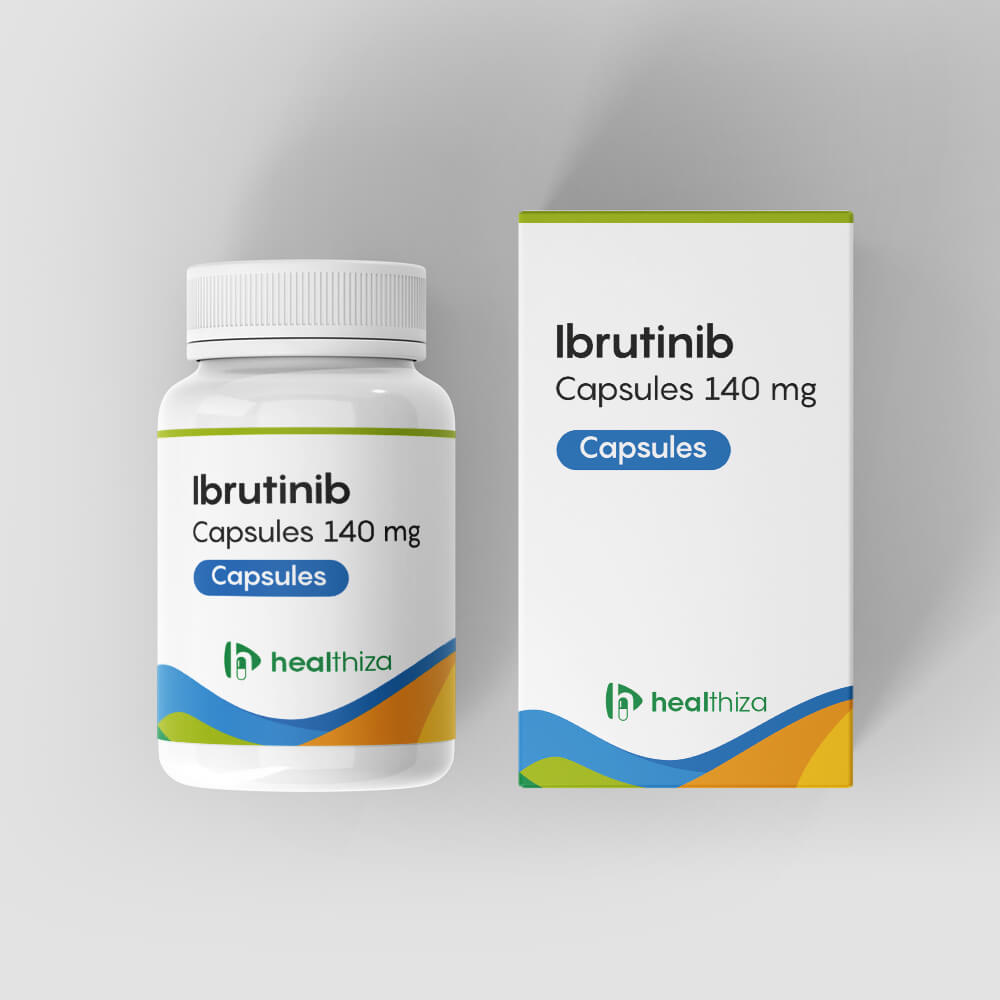 | Oncology Medicine Ibrutinib Capsules: Product Information, Uses, Benefits and FAQs Ibrutinib capsules contain ibrutinib, a targeted anticancer medicine belonging to the class of Bruton’s tyrosine kinase (BTK) inhibitors. |
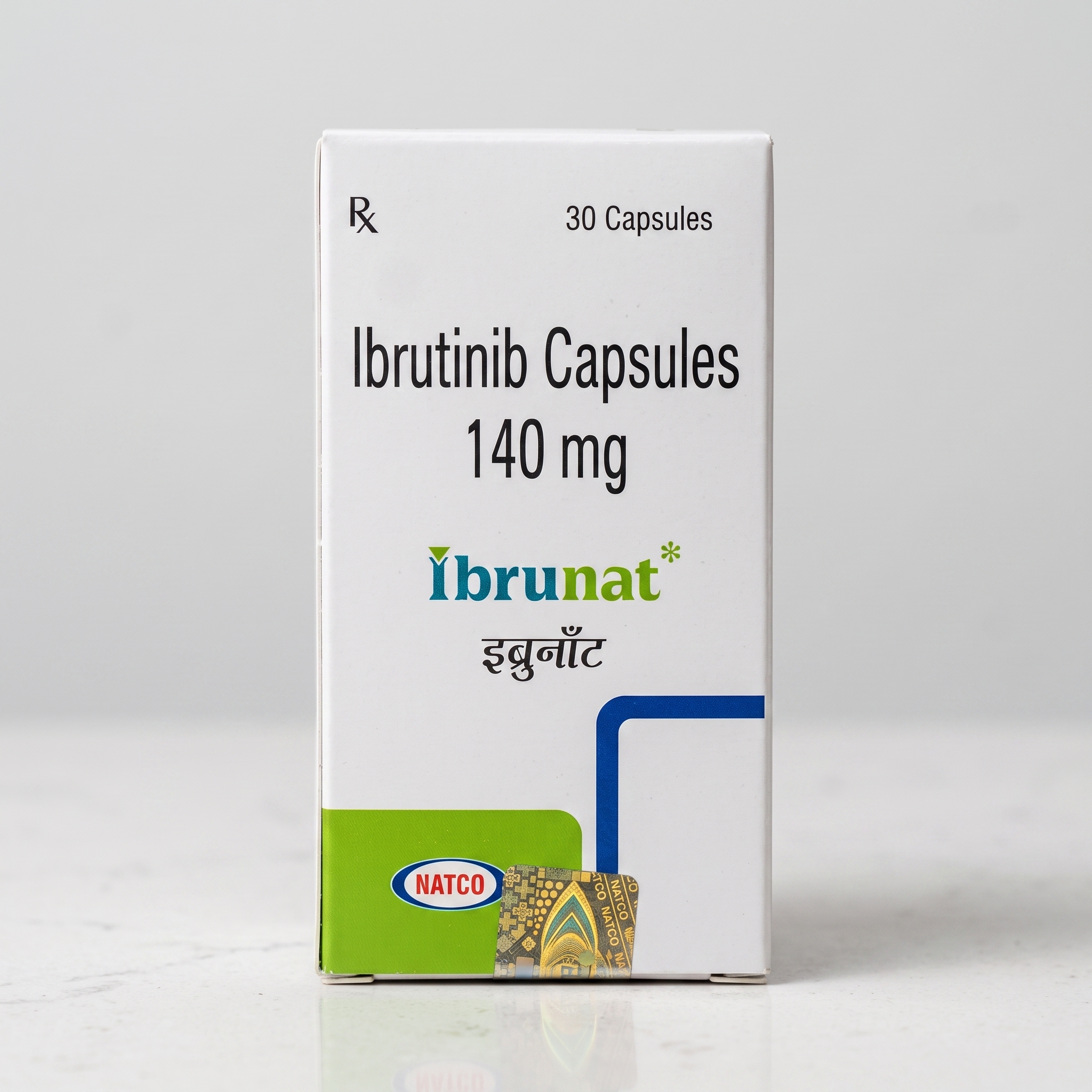 | Oncology Medicine Ibrunat Capsules: Product Description, Uses & FAQs for the USA Ibrunat Capsules contain ibrutinib, a targeted anticancer medicine belonging to the class of kinase inhibitors. |
Control storage, transport and receipt at the London site
Keep ibrutinib capsules below 30°C throughout transport and store them in the original package for moisture protection. Use a qualified carrier, a sealed consignment and a calibrated data logger or equivalent monitoring device; temperature-monitoring records must show the shipment stayed within the authorised storage condition.
Do not refrigerate the stock unless its specific product information requires it.
At receipt, quarantine the delivery before releasing it to inventory. An authorised receiving pharmacist or warehouse staff member should check:
- Product name, dosage form, strength, pack size and UK presentation against the purchase order
- Marketing-authorisation details, pack language, patient leaflet and importer information
- Batch number, expiry date, quantity and remaining shelf life
- Seal integrity, carton condition, legibility and evidence of tampering
- Transport temperature-monitoring records and any documented excursion
Reject or quarantine packs that are crushed, wet, opened, illegible or inconsistent with the ordered UK product. Quarantine stock after a temperature excursion until the responsible quality professional documents a decision based on the product information and exposure data.
Release only stock with an acceptable quality decision and enough remaining shelf life for dispensing or onward distribution. Apply FEFO—first-expiry, first-out—when placing it into storage. Retain GDP records for at least five years, linking each batch to its supplier, delivery route, customer, receipt decision and temperature data.
Keep every batch traceable after release into distribution
Keep each pack’s batch number linked to the supplier, purchase order, delivery date, customer, dispensing destination and applicable temperature records. Retain these records for at least five years, so you can identify every recipient without reconstructing the distribution trail during a recall or complaint investigation.
Record the following against each ibrutinib batch:
- Marketing-authorisation and batch-release details
- Quantity received, supplied, returned or destroyed
- Customer and delivery address
- Delivery route and temperature evidence
- Expiry date and remaining shelf life at receipt
| Event | Immediate control | Escalation |
|---|---|---|
| Quality complaint or suspected defect | Quarantine affected stock and preserve the pack, photographs and batch details | Open the written complaint and recall procedure; notify the supplier and responsible quality contact |
| Suspected adverse drug reaction | Capture patient, product, dose, batch and reaction information without delaying clinical care | Route it through pharmacovigilance and submit a report through the Yellow Card scheme |
| Recall or safety communication | Stop supply, identify all affected customers and reconcile quantities | Document notifications, returns, destruction or replacement |
| Short shelf life or expiry risk | Apply FEFO and block stock that cannot support the intended dispensing period | Escalate exceptions before supply; do not extend an expiry date |
FEFO prevents newer stock from being issued while an older batch expires in storage. Review expiry dates during every stock count, and quarantine packs with damaged seals, illegible batch details or suspected temperature excursions until a documented quality decision releases or rejects them.
Frequently asked questions
What must a London buyer confirm before requesting an ibrutinib quotation?
Confirm that the proposed product has a valid UK marketing authorisation, or document an unlicensed-medicines route for the intended patient or institution. Indian GMP certification alone does not permit routine sale in London.
What product details belong in an ibrutinib purchase file?
Record the exact product, capsule strength, formulation, pack size, quantity, required shelf life, batch information and documents needed for regulatory review and import clearance.
How should a buyer prepare an ibrutinib shipment for London import?
Qualify the supplier, agree the order and collect the product and shipment documents needed for import clearance before dispatch. Confirm storage and transport conditions against the product information.
How do you maintain ibrutinib batch traceability after delivery?
Link the received batch number, expiry date, quantity, release decision and delivery records to each onward distribution record, and retain the documentation for investigation or recall.
Related products
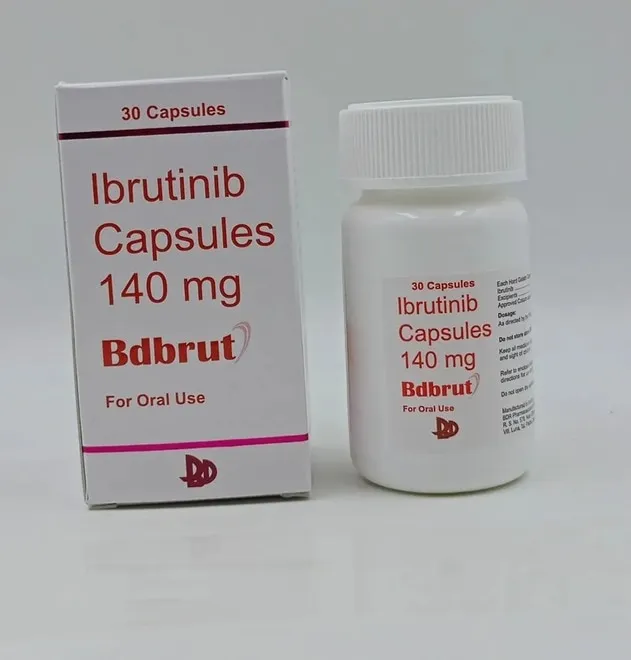
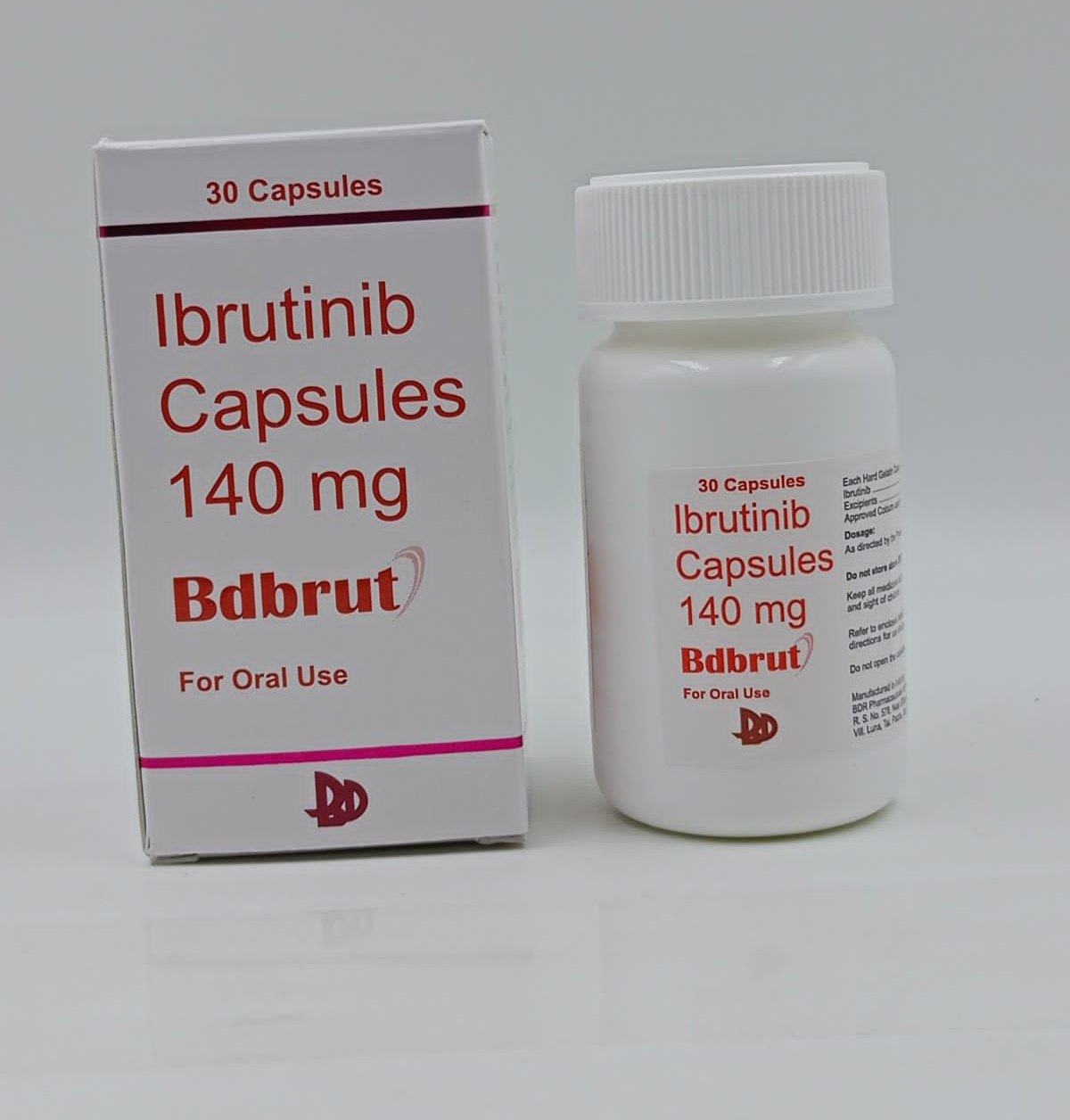 | Oncology Medicine BDBRUT Capsules – Ibrutinib 140 mg BDBRUT Capsules Product Description BDBRUT Capsules contain Ibrutinib 140 mg, a targeted cancer medicine belonging to the Bruton’s tyrosine kinase... View product → |
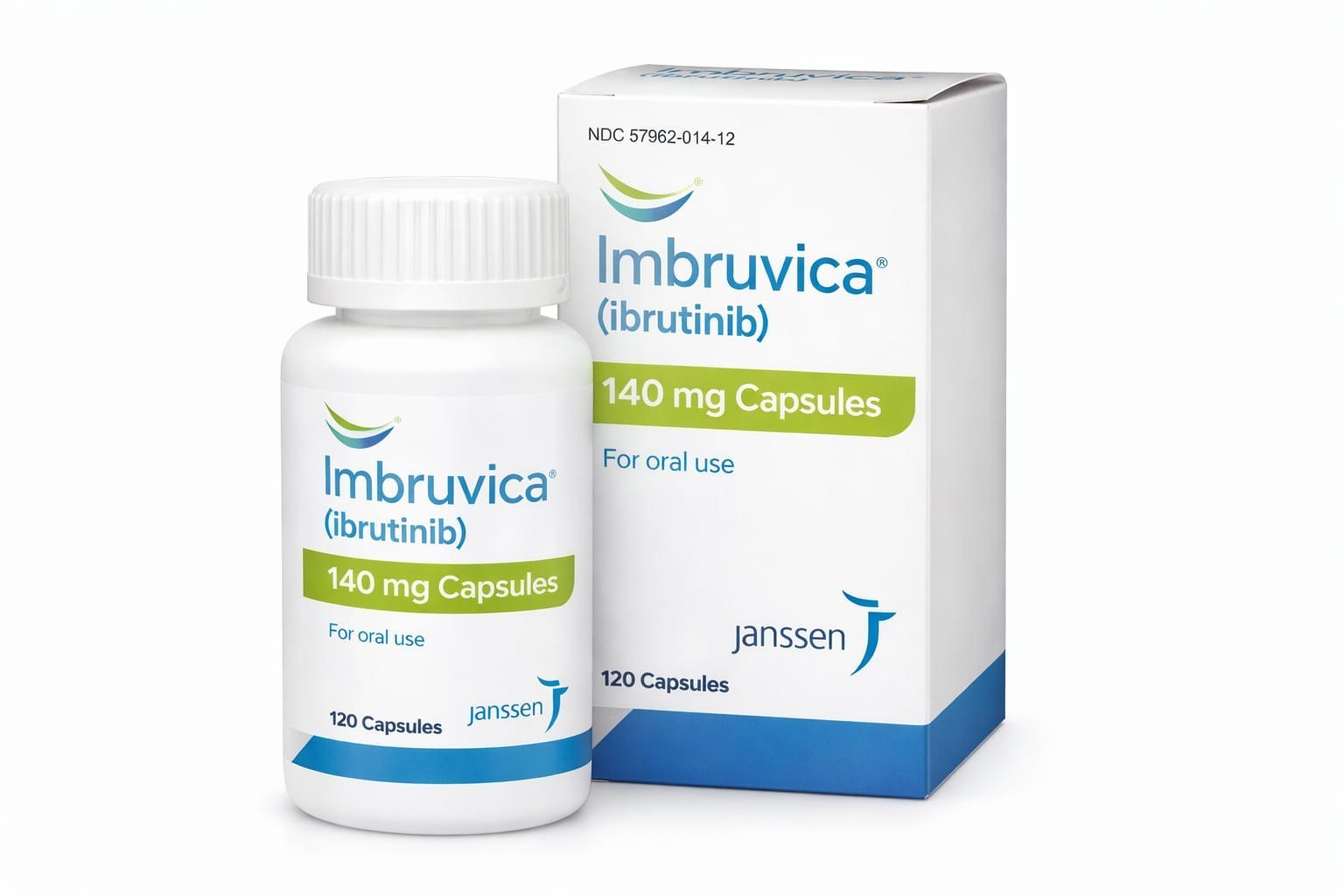 | Oncology Medicine Imbruvica Capsules (Ibrutinib) – Product Description & FAQs for Dubai, UAE Imbruvica Capsules Product Description Imbruvica Capsules contain ibrutinib, a targeted anticancer medicine classified as a Bruton’s tyrosine kinase... |
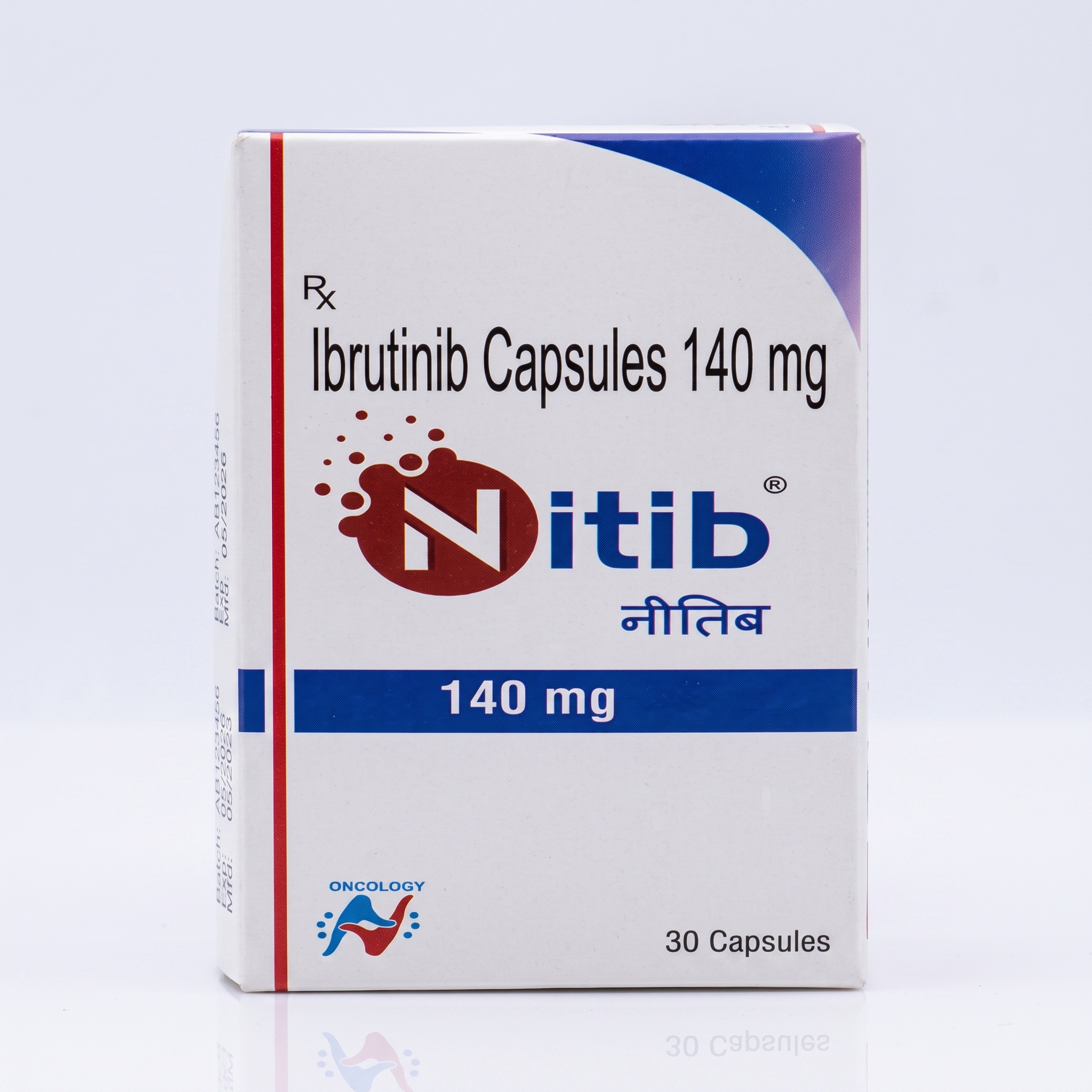 | Oncology Medicine Nitib Capsules (Ibrutinib 140 mg) – Product Description & FAQs Nitib Capsules contain ibrutinib 140 mg, an oral targeted cancer medicine belonging to the Bruton’s tyrosine kinase (BTK) inhibitor class. |